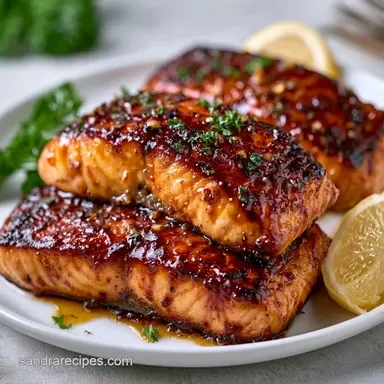
Pan-Seared Honey Garlic Glazed Salmon
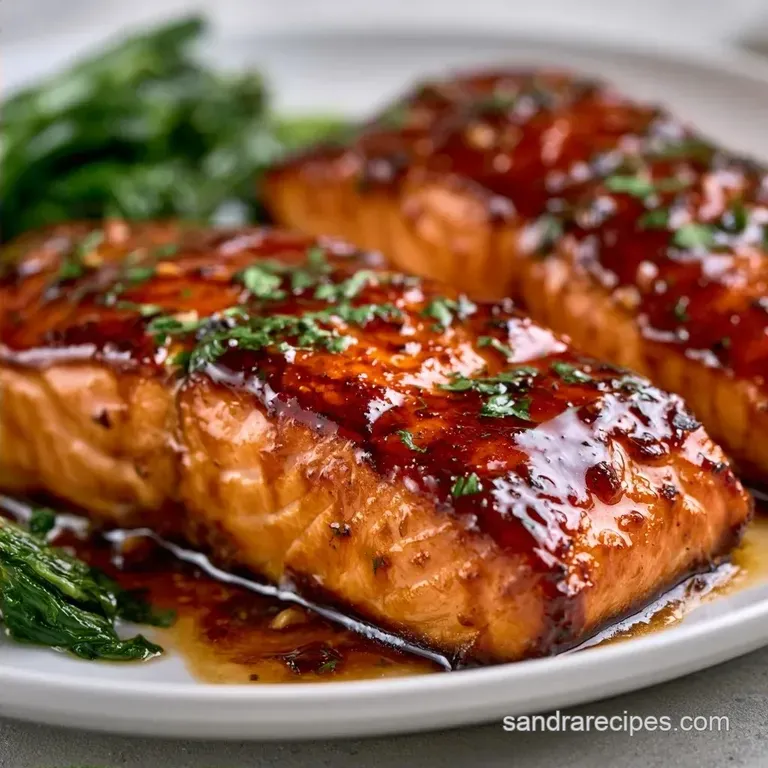
- Time: 10 min active + 10 min cook
- Flavor/Texture Hook: Sticky, sweet salty glaze with a golden crust
- Perfect for: Quick weeknight dinner, beginner friendly
- Why This Method Works
- Essential Recipe Details
- The Ingredient List
- Necessary Kitchen Tools
- Making Your Salmon
- Fix Your Cooking Flaws
- Troubleshooting Common Issues
- Flavor and Style Swaps
- Adjusting the Batch Size
- Truth About Salmon
- Leftovers and Storage
- Best Side Pairings
- High in Sodium
- Recipe FAQs
- 📝 Recipe Card
The sound of salmon hitting a hot pan is one of my favorite kitchen noises. That immediate sizzle tells you the temperature is right for a proper crust. This dish draws from the East Asian tradition of balancing "umami" (savory) and sweetness, which is why the combination of soy and honey works so well.
It's a simple way to get a complex flavor without spending hours in the kitchen.
I used to overcook my fillets every single time. I'd leave them in too long because I was afraid they were raw, only to end up with dry, woody fish. The trick is trusting the clock and the color of the meat.
You can expect a meal that feels fancy but takes almost no effort. This Honey Garlic Glazed Salmon comes together in one pan, meaning you won't have a mountain of dishes to scrub afterward.
Why This Method Works
- The Sugar Burn: Honey caramelizes quickly under heat, creating a sticky layer that locks in flavor.
- Acid Balance: Lemon juice cuts through the richness of the salmon fat and the sweetness of the honey.
- Butter Finish: Adding butter at the end gives the sauce a rich, glossy look and rounds out the sharp edges of the garlic.
| Method | Time | Texture | Best For |
|---|---|---|---|
| Pan Seared | 20 mins | Crispy edges, sticky glaze | Quick dinners |
| Baked | 35 mins | Uniform cook, softer crust | Large groups |
Essential Recipe Details
The way ingredients interact here is pretty straightforward. The soy sauce provides the salt, while the honey provides the body of the sauce. When they heat up together, they reduce into a syrup.
| Ingredient | What It Does | Best Swap |
|---|---|---|
| Honey | Thickens and sweetens | Maple syrup (more earthy) |
| Soy Sauce | Adds salt and depth | Tamari (for gluten-free) |
| Lemon Juice | Balances sweetness | Lime juice (more citrusy) |
The Ingredient List
For the salmon: - 4 (6 oz / 170g) salmon fillets Why this? Standard size for even cooking - 1 tbsp (15ml) olive oil Why this? High smoke point for searing - 1/2 tsp (3g) salt - 1/4 tsp (1g) black pepper
For the honey garlic glaze: - 1/3 cup (110ml) honey Why this? Natural sugar for caramelization - 2 tbsp (30ml) low sodium soy sauce Why this? Controls salt levels - 1 tbsp (15ml) fresh lemon juice Why this? Fresh acidity is better
Than bottled - 3 cloves (15g) garlic, minced - 1 tbsp (14g) unsalted butter Why this? Adds richness and shine
Necessary Kitchen Tools
You don't need a professional setup for this. A 12 inch skillet is the most important tool because it gives the fillets room to breathe. If the pan is too crowded, the fish will steam instead of sear.
I recommend using a non stick pan or a well seasoned cast iron. You'll also want a silicone spatula or a spoon to baste the glaze over the fish. A simple paper towel is necessary for drying the fillets before they hit the oil.
Making Your Salmon
- Pat the salmon fillets completely dry with paper towels. Season both sides evenly with salt and black pepper. Note: Dry fish sears better
- Heat olive oil in a 12 inch skillet over medium high heat until it shimmers.
- Place salmon in the pan, skin side down if applicable. Press down lightly with a spatula for 10 seconds.
- Sear for 3-5 minutes without moving the fillets until a golden brown crust forms.
- Flip the fillets and sear for another 2-3 minutes.
- Reduce heat to medium. Push the salmon to one side of the pan and add the butter.
- Stir in the minced garlic for 30 seconds until it smells fragrant.
- Pour in the honey, soy sauce, and lemon juice.
- Stir constantly for 2-3 minutes until the sauce bubbles and thickens into a syrup.
- Spoon the glaze over the salmon continuously until the fish is coated and the sauce is velvety.
Fix Your Cooking Flaws
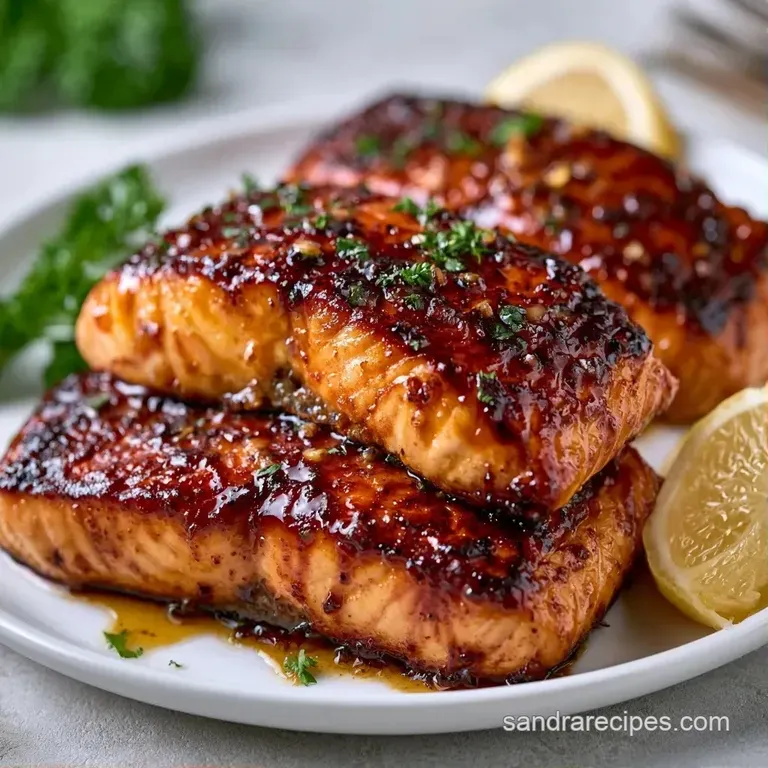
Getting the heat right can be tricky. If the pan is too cold, the salmon sticks. If the honey gets too hot, it turns bitter and black.
Troubleshooting Common Issues
| Issue | Solution |
|---|---|
| Why Your Salmon Sticks | This usually happens if the oil isn't hot enough or the fish was still damp. Wait for the oil to shimmer before adding the protein. |
| Why Your Glaze Burnt | Honey has a low burn point. If your heat is on high when you add the sauce, it will scorch. Always drop the temperature to medium before pouring in the honey mixture. |
| Why Your Salmon is Dry | Overcooking is the biggest enemy here. Salmon continues to cook for a few minutes after it leaves the pan. Pull it off the heat when the center is still slightly translucent. |
Flavor and Style Swaps
If you want a bit more heat, add a teaspoon of sriracha or red pepper flakes to the glaze. It cuts through the honey perfectly. For those who prefer a different cooking method, an Air Fryer Honey Garlic Salmon version is great for when you don't want to stand over the stove.
You can also swap the honey for maple syrup if you want a more autumnal flavor. If you're avoiding soy, coconut aminos are a reliable substitute that keep the savory profile. For a different twist on the protein, my Garlic Butter Salmon is a great alternative if you want something less sweet.
Adjusting the Batch Size
When making Honey Garlic Glazed Salmon for just one person, use a smaller 8 inch skillet. Reduce the cooking time by about 20% because a smaller pan often heats up faster. For the glaze, you can halve the ingredients, but keep the garlic at 2 cloves since it doesn't scale linearly.
If you're doubling or tripling the recipe, don't try to fit 8 fillets in one pan. Work in batches. If you crowd the pan, the temperature drops, and you'll lose the sear. When doubling the glaze, only increase the salt and soy sauce by 1.5x to avoid making it too salty.
Truth About Salmon
Searing meat does not "seal in juices." This is a common myth. Moisture loss happens regardless of how you start the cook. The sear is actually about flavor and texture, not about creating a waterproof barrier.
Another misconception is that you must cook salmon until it is opaque throughout. In reality, the best texture is achieved when the center is just barely underdone, as carryover heat finishes the job on the plate.
Leftovers and Storage
Keep any remaining Honey Garlic Glazed Salmon in an airtight container in the fridge for up to 3 days. The glaze holds up well, but the fish can dry out if not sealed properly.
To reheat, avoid the microwave if you can. A microwave will make the salmon rubbery. Instead, place the fillet in a pan over low heat with a splash of water or a tiny bit of butter. Cover it with a lid for 2-3 minutes to steam it back to life.
For zero waste, don't toss the lemon rinds. You can zest them into a salad or use them to infuse vinegar. If you have leftover glaze in the pan, pour it over steamed broccoli or rice.
Best Side Pairings
This dish is quite rich, so I prefer sides that bring some freshness. A crisp cucumber salad with rice vinegar and sesame oil balances the honey. Steamed asparagus or sautéed spinach also work well because they don't compete with the bold glaze.
For a heartier meal, serve it over jasmine rice or quinoa. The grains soak up the extra sauce, so none of that gold goes to waste. A simple side of roasted carrots adds a nice earthy sweetness that complements the garlic.
High in Sodium
1080 mg 1,080 mg of sodium per serving (47% 47% of daily value)
The American Heart Association recommends a daily sodium limit of no more than 2,300 mg for most adults to maintain heart health.
Tips to Reduce Sodium
-
Eliminate Added Salt-25%
Remove the 1/2 tsp of salt entirely. The soy sauce already provides a significant salty base for the glaze.
-
Swap Soy Sauce-20%
Replace the low-sodium soy sauce with coconut aminos, which offers a similar savory flavor with significantly less sodium.
-
Increase Acidity-10%
Double the fresh lemon juice to enhance the brightness of the dish, which helps the palate perceive flavors more intensely without needing salt.
-
Use Fresh Herbs
Add fresh dill or chopped parsley at the end of cooking to add a burst of freshness and flavor without any added sodium.
Recipe FAQs
Is this the most simple and delicious way to prepare salmon?
Yes, it is a top choice for beginners. With only 10 minutes of prep and 10 minutes of cooking, it delivers a complex sweet savory flavor without requiring advanced skills.
Can I make this honey garlic glaze without lemon juice?
Yes, but you lose the necessary acidity. The lemon juice is essential to balance the sweetness of the honey and the saltiness of the soy sauce.
How to prevent the salmon from sticking to the pan?
Pat the fillets completely dry and wait for the oil to shimmer. Moisture creates steam, which prevents the fish from searing and causes it to cling to the pan surface.
How to stop the honey glaze from burning?
Reduce the heat to medium before adding the honey mixture. Because honey has a low burn point, keeping the temperature moderate prevents the sauce from scorching.
Can I bake this recipe instead of pan-searing it?
Yes, though the texture differs. If you prefer an oven method, you can use the same flavor profile as our baked salmon for a more hands off approach.
Is it true that salmon must be cooked until it is opaque all the way through to be safe?
No, this is a common misconception. Salmon is safe and often more tender when the center remains slightly translucent.
How to reheat leftover salmon without it becoming rubbery?
Place the fillet in a pan over low heat with a splash of water or butter. Cover with a lid for 2-3 minutes to steam the fish back to its original texture.
Honey Garlic Glazed Salmon