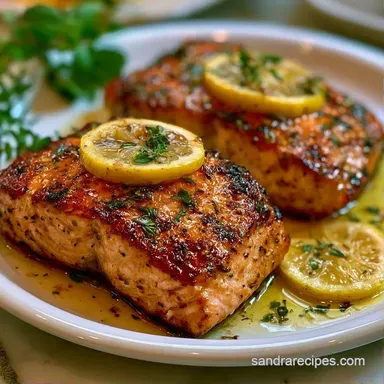
One-Pan Clean Eating Salmon Recipe
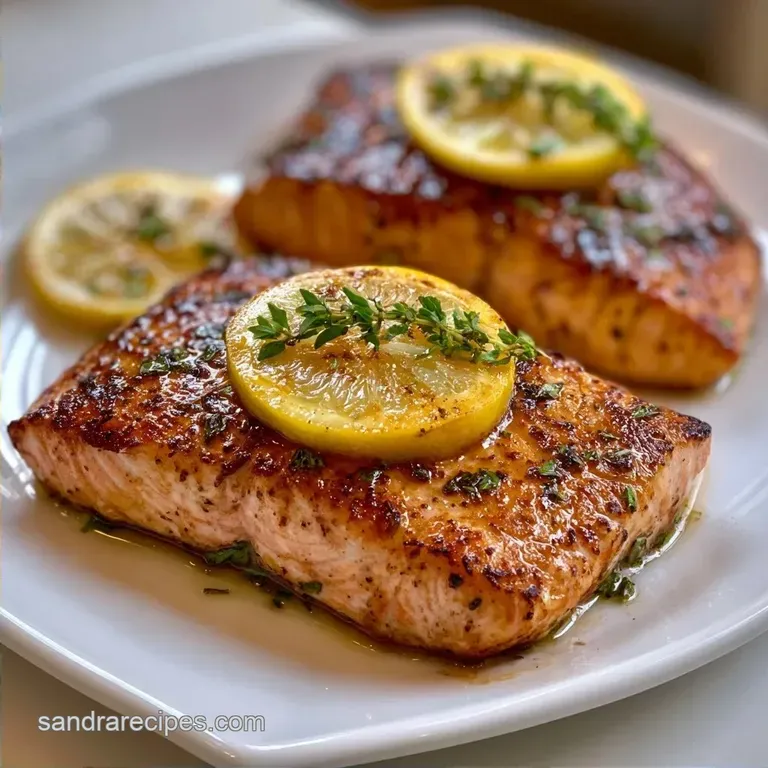
- Time: 10 min active + 20 min bake
- Flavor/Texture Hook: Tangy lemon with blistered, juicy tomatoes
- Perfect for: Weeknight dinner or healthy meal prep
Clean Eating Salmon Recipe
That smell of garlic and lemon hitting a hot oven is honestly the best part of my Tuesday. I used to think "clean eating" meant steamed fish and bland broccoli, which is a fast track to hating your dinner. Then I started roasting everything on one tray, letting the tomato juices mingle with the olive oil and lemon.
You don't need a dozen ingredients to make this work. The focus here is on fresh, whole foods that don't need masking with sugar or heavy creams. This Clean Eating Salmon Recipe gives you a vibrant meal that actually tastes like something you'd order at a bistro.
Expect a meal that's light but filling. The salmon stays moist, and the asparagus gets those slightly charred edges that make the whole dish feel a bit more special.
Why Other Recipes Fail
Most people undercook their vegetables or overcook their fish because they use too low a temperature. When you bake at 325°F, the salmon leaks moisture before it browns, and the asparagus turns into mush.
High Heat: Baking at 425°F blisters the tomato skins in 15 minutes and sears the fish surface. Dry Surface: Patting the fish dry prevents steaming and helps the marinade stick.
| Fresh Approach | Shortcut Method | Impact | Savings |
|---|---|---|---|
| Fresh Lemon Juice | Bottled Juice | Fresh is brighter, less metallic | $0.50 |
| Fresh Garlic | Garlic Powder | Fresh adds pungent, roasted depth | $0.20 |
| Fresh Asparagus | Frozen Asparagus | Fresh stays crisp; frozen gets soggy | $1.00 |
What Each Ingredient Does
I'm a big believer in knowing why a pinch of this or a splash of that matters. It's not about "magic"; it's just about how flavors interact.
| Ingredient | What It Does | Best Swap |
|---|---|---|
| Extra Virgin Olive Oil | Carries flavor and prevents sticking | Avocado Oil (higher smoke point) |
| Lemon Juice | Cuts through the fatty richness of salmon | Lime juice (more tropical) |
| Dried Oregano | Adds an earthy, herbal baseline | Dried Thyme or Basil |
| Sea Salt | Draws out moisture and enhances taste | Kosher salt |
Gear for the Job
You don't need a professional kitchen for this, but a few things make it easier. A large rimmed sheet pan is a must so the tomato juices don't spill over your oven floor.
I always use parchment paper. It's not just for easy cleanup, it prevents the salmon skin from fusing to the metal. A small whisk or fork works for the marinade.
Chef Note: If you have a meat thermometer, use it. Salmon is done when it hits 125°F to 135°F for medium.
Steps From Prep to Plate
Preparing the Base
- Preheat your oven to 425°F (218°C). Note: Let the oven fully reach temp so the sear starts immediately.
- Line a large rimmed sheet pan with parchment paper.
Layering the Flavors
- Whisk 2 tbsp olive oil, 3 cloves minced garlic, 1 tbsp lemon juice, 1 tsp oregano, ½ tsp sea salt, and ¼ tsp black pepper.
- Pat 4 salmon fillets (6 oz each) completely dry with paper towels. Note: This is the only way to avoid a soggy crust.
- Place fillets in the center of the pan.
- Brush the marinade generously over the tops of the fillets.
Roasting to Perfection
- Scatter 1 lb trimmed asparagus and 1 cup cherry tomatoes around the salmon.
- Drizzle vegetables with 1 tbsp olive oil and a pinch of salt.
- Nestle lemon slices among the vegetables.
- Bake 12-15 minutes until the salmon is opaque and flakes easily with a fork, and the tomatoes are blistered.
Fixing Common Salmon Issues
Troubleshooting Common Issues
| Issue | Solution |
|---|---|
| Why Your Salmon Has White Spots | That white stuff is just albumin, a protein that pushes out when the fish is cooked too fast or too long. |
| Why Your Veggies are Soggy | Soggy vegetables usually happen when the pan is overcrowded. If the asparagus is piled on top of itself, it steams instead of roasts. Give every piece a bit of breathing room. |
| Why the Fish Sticks | If you skip the parchment paper or forget the oil, the skin will glue itself to the pan. Always use a fat barrier. |
Ways to Mix It Up
If you're doing this for Salmon Meal Prep, I suggest undercooking the salmon by about 2 minutes. When you reheat it in the microwave, it'll finish cooking without becoming a piece of cardboard.
Switching the Greens
Asparagus is great, but broccolini or thin green beans work just as well. If you use carrots, slice them thin or start them in the oven 10 minutes before adding the fish, as they take longer to soften.
Adding a Pesto Twist
Swap the oregano and lemon juice for 2 tablespoons of basil pesto. It adds a rich, nutty layer that pairs well with the cherry tomatoes. If you want something even faster, a Crispy Air Fryer Salmon Fillet is a great alternative for a single serving.
Making it Keto Friendly
This Clean Eating Salmon Recipe is already naturally low carb. To keep it strictly keto, just ensure your cherry tomatoes are kept to a handful and avoid adding any honey based glazes.
Scaling the Recipe
Scaling Down (for 2 people): Use a smaller baking sheet. Reduce the vegetables to ½ lb asparagus and ½ cup tomatoes. The cooking time stays roughly the same, but check the fish 2 minutes early.
Scaling Up (for 6-8 people): Don't crowd one pan. Use two separate sheet pans and rotate them halfway through. Only increase salt and oregano to 1.5x to avoid over seasoning.
| If You Want... | Do This... |
|---|---|
| Extra Char | Broil for the last 2 minutes |
| More Tang | Double the lemon slices |
| Softer Veggies | Toss veggies in more oil |
Storage and Leftover Tips
Store leftovers in an airtight glass container in the fridge for up to 3 days. I don't recommend freezing cooked salmon, as the texture becomes mealy and dry.
Reviving the Texture
To reheat, avoid the microwave if you can. Put the salmon and veggies in a 300°F oven for 5-8 minutes. This keeps the fish from getting that "rubbery" feel.
Zero Waste Tips
Save the lemon rinds! You can zest them into a salad or freeze them in an ice cube tray with olive oil for your next sauté. According to the USDA FoodData, keeping the skin on during cooking helps retain some of the healthy fats, so don't peel it before baking.
Serving Your Salmon
For a full meal, I love serving this over a bed of quinoa or brown rice. The juices from the blistered tomatoes act like a natural sauce, so you don't need to add anything extra.
If you're feeling fancy, add a dollop of Greek yogurt mixed with dill on the side. It provides a cool contrast to the roasted garlic and warm fish. This Clean Eating Salmon Recipe is all about balance, so pair it with something fresh, like a simple arugula salad.
Recipe FAQs
Is salmon good for clean eating?
Yes, it is an excellent choice. It provides high-quality protein and omega-3 fatty acids without processed additives.
What is the healthiest way to eat salmon?
Bake it at 425°F with heart healthy olive oil. This method preserves nutrients while avoiding the heavy fats used in frying.
What is the healthiest thing to eat with salmon?
Non-starchy vegetables like asparagus and cherry tomatoes. These add essential fiber and vitamins while keeping the meal low-calorie.
How to prevent salmon from sticking to the pan?
Line your sheet pan with parchment paper. Applying olive oil to the fillets also creates a necessary fat barrier that keeps the skin from gluing to the surface.
Is it true that white spots on salmon mean it is spoiled?
No, this is a common misconception. That white substance is albumin, a protein that emerges when the fish is cooked too quickly or for too long.
What are some good salmon recipes without lemon?
Try a simple seasoning of sea salt and cracked black pepper. If you prefer a minimalist approach, our salt and pepper salmon is a great alternative.
How to store leftover cooked salmon?
Place it in an airtight glass container in the fridge. It stays fresh for up to 3 days, though freezing is not recommended as it makes the texture mealy.
Clean Eating Salmon Recipe