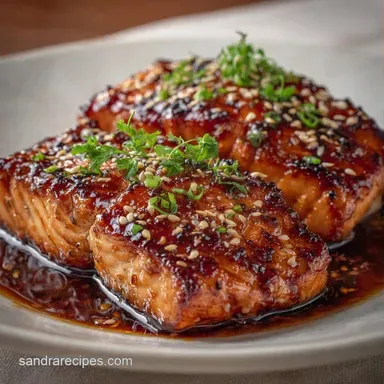
Asian Salmon Sheet Pan: Honey Soy Glazed
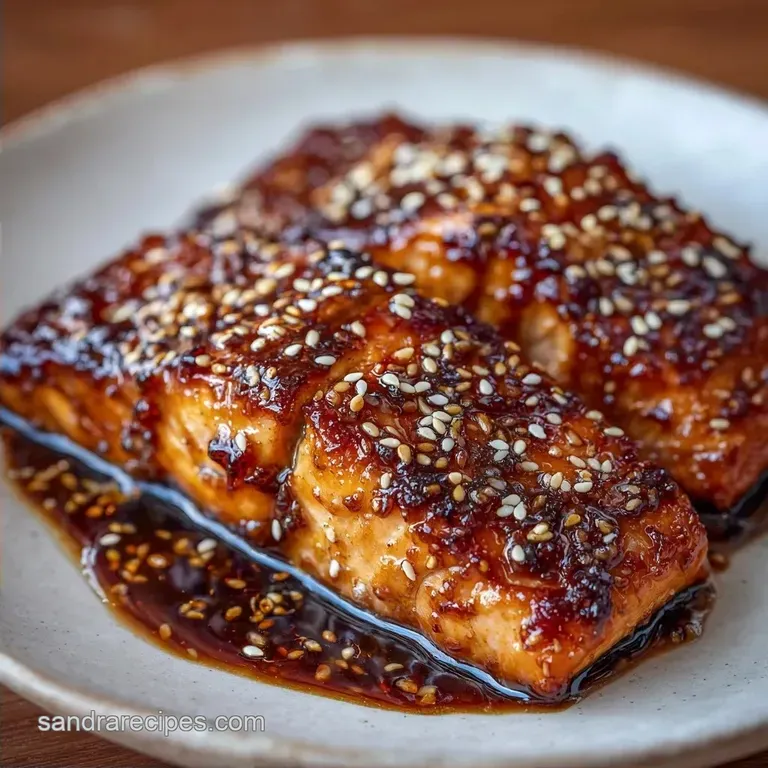
- Time: 10 min active + 15 min roasting
- Flavor/Texture Hook: Sticky, lacquered glaze with charred broccoli tips
- Perfect for: Healthy weeknight dinner or meal prep
Asian Salmon Sheet Pan
That smell of toasted sesame oil and fresh ginger hitting a 400°F oven is honestly the best part of my Tuesday. It fills the whole kitchen with this savory, aromatic steam that makes everyone run to the table before the timer even goes off.
I remember the first time I tried to do this, I crowded the pan too much. The vegetables steamed instead of roasting, and I ended up with soggy carrots. Now, I give everything room to breathe, and the result is a vibrant, colorful meal that looks like it took an hour but actually took twenty five minutes.
This Asian salmon sheet pan dinner is my go to when I want something that feels fancy but requires zero actual effort. It's about that contrast between the flaky, rich fish and the snap of the broccoli.
You get a sticky, glossy coating on the salmon that tastes like a high end takeout spot, but you control the salt and sugar.
Expect a meal that's light yet satisfying. The carrots add a natural sweetness that pairs with the salty soy, while the red pepper flakes give it a tiny bit of heat. It's the kind of dish that makes meal prep feel less like a chore and more like a win for your future self.
Why the Glaze Sticks
Honey Caramelization: The honey in the glaze creates a tacky sugar base that grips the salmon and thickens as water evaporates.
Surface Moisture: Patting the fish dry prevents steam from forming under the fillet, which lets the glaze sear instead of sliding off.
Fresh vs. Shortcut Comparison
| Ingredient | Fresh Option | Shortcut Option | Impact on Taste |
|---|---|---|---|
| Ginger | Freshly grated | Ginger powder | Fresh is zingy; powder is woody |
| Garlic | Minced cloves | Jarred garlic | Fresh is sharper and more pungent |
| Honey | Raw honey | Maple syrup | Maple adds a distinct foresty sweetness |
Quick Recipe Specs
This recipe is designed for speed. You aren't hovering over a stove or scrubbing three different pans. The 400°F heat is the sweet spot, roasting the vegetables and searing the fish simultaneously.
According to USDA FoodData, salmon provides high-quality protein and omega-3s, and pairing it with broccoli keeps the glycemic load low. The total time from fridge to table is just 25 minutes.
The Ingredient List
The balance here comes from the "salty sweet acid" trio of soy, honey, and rice vinegar. Don't skip the sesame oil, as it provides that deep, nutty aroma.
- Salmon Fillets (4 x 6 oz, skin on): Why this? Skin on protects the meat from drying out. (Substitute: Steelhead trout)
- Soy Sauce (1/4 cup): Why this? Provides the salty umami base. (Substitute: Tamari or Coconut Aminos)
- Honey (2 tbsp): Why this? Creates the sticky, lacquered finish. (Substitute: Brown sugar or Maple syrup)
- Toasted Sesame Oil (1 tbsp): Why this? Adds a rich, nutty scent. (Substitute: Neutral oil with a drop of liquid smoke)
- Rice Vinegar (1 tbsp): Why this? Cuts through the fat of the salmon. (Substitute: Apple cider vinegar)
- Freshly Grated Ginger (1 tbsp): Why this? Adds a bright, spicy zing. (Substitute: 1/2 tsp ginger powder)
- Minced Garlic (2 cloves): Why this? Classic savory depth. (Substitute: Garlic powder)
- Red Pepper Flakes (1/2 tsp): Why this? Tiny bit of warmth. (Substitute: Sriracha or Chili flakes)
- Broccoli Florets (1 lb): Why this? Absorbs the glaze and chars well. (Substitute: Asparagus or Bok choy)
- Carrots (2 large, thinly sliced): Why this? Adds color and sweetness. (Substitute: Red bell pepper)
- Avocado Oil (2 tbsp): Why this? High smoke point for 400°F. (Substitute: Grapeseed or Canola oil)
- Toasted Sesame Seeds (1 tbsp): Why this? Visual pop and crunch. (Substitute: Chopped peanuts)
- Green Onions (2 stalks, sliced): Why this? Fresh, oniony finish. (Substitute: Chives)
- Salt and Black Pepper: to taste.
Ingredient Role Deep Dive
| Ingredient | What It Does | Best Swap |
|---|---|---|
| Soy Sauce | Adds salt and color | Coconut Aminos (for soy free) |
| Rice Vinegar | Balances the honey | Lime juice (for a citrus twist) |
| Honey | Thickens the glaze | Maple syrup (for an earthy tone) |
Tools for the Job
You don't need much here, but a few specific items make the process smoother.
- Large Rimmed Baking Sheet: A rim is essential so the glaze doesn't drip into your oven and cause smoke.
- Parchment Paper: This prevents the honey from gluing the salmon to the pan.
- Whisk: For getting the honey and soy fully integrated.
- Meat Thermometer: The only way to be sure the salmon is 135°F without overcooking it.
- Paper Towels: Essential for drying the fish skin.
How to Roast Everything
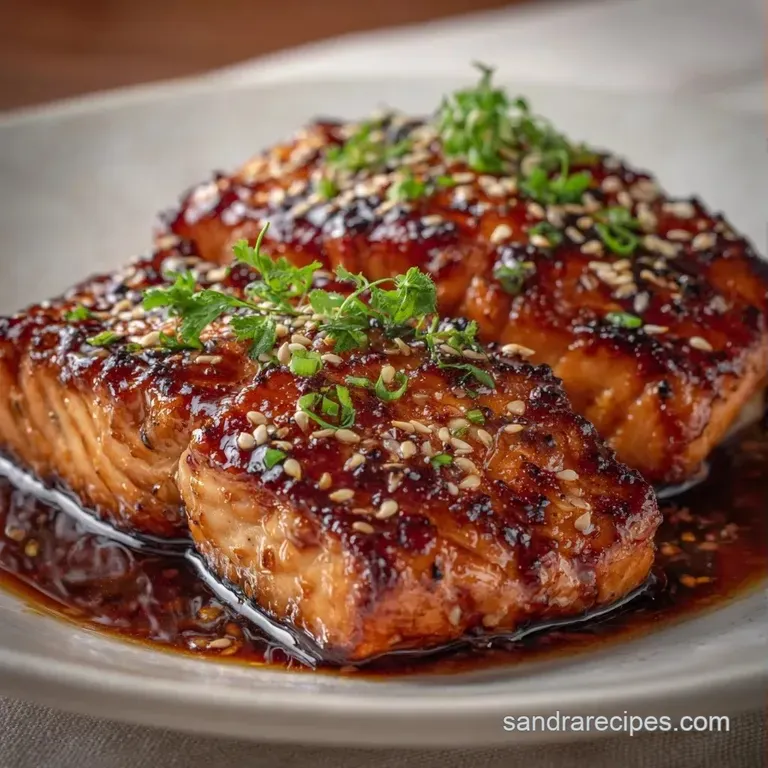
Let's get moving. The goal here is to get the vegetables started so they have enough time to soften while the salmon sears.
Phase 1: The Foundation
- Preheat your oven to 400°F (200°C). Line your baking sheet with parchment paper.
- Pat the salmon fillets completely dry with paper towels. Note: Moisture on the skin prevents browning.
- Season the fillets lightly with salt and black pepper.
Phase 2: The Umami Glaze
- Whisk together the soy sauce, honey, sesame oil, rice vinegar, grated ginger, garlic, and red pepper flakes in a small bowl.
- Spoon 2 tablespoons of this mixture into a separate tiny bowl. Note: This is for the final baste to get that glossy look.
Phase 3: The Precision Roast
- Spread the broccoli and sliced carrots on the pan. Drizzle with avocado oil and a pinch of salt, then toss them with your hands until they're coated.
- Nestle the salmon fillets among the veggies. Spoon the main part of the glaze over the fish and drizzle any leftover glaze over the vegetables.
- Roast for 12-15 minutes. Listen for the sizzle and smell the ginger caramelizing.
- Brush the reserved 2 tablespoons of glaze over the salmon during the last 2 minutes of cooking.
- Pull the pan out when the salmon hits 135°F (57°C) internal temperature and the broccoli tips are charred and dark brown.
- Garnish with sesame seeds and green onions.
Chef's Note: If your carrots are cut thick, they might stay hard. Slice them into thin coins or matchsticks so they cook in the same 15 minute window as the broccoli.
Solving Common Problems
Even with a simple Asian salmon sheet pan recipe, things can go sideways. Usually, it comes down to heat or crowding.
Troubleshooting Common Issues
| Issue | Solution |
|---|---|
| Why Your Vegetables are Undercooked | If the salmon is ready but the broccoli is still raw, you likely crowded the pan. When vegetables are piled on top of each other, they steam instead of roast. Give them space. |
| Why the Glaze is Too Thin | If the glaze looks like soup instead of a syrup, it's often because the oven temperature was too low or the fillets were too wet. |
| Why the Salmon is Sticking | This happens if you skip the parchment paper or the oil. Honey is basically glue when it hits a hot metal pan. |
Decision Shortcut
- Want it spicier? Add a teaspoon of Sriracha to the glaze.
- Want more crunch? Add sliced almonds to the pan for the last 5 minutes.
- Short on time? Use pre cut broccoli florets from the store.
Different Flavor Twists
Once you've got the hang of the Asian salmon sheet pan dinner, you can start swapping flavors. The base method stays the same, but the vibe changes.
For a Nutty Crunch
Swap the sesame seeds for crushed cashews or peanuts. This adds a heavier crunch that works well if you're serving the dish over a bed of steamed bok choy. If you enjoy this style of prep, you might also like my Black Pepper Salmon which uses a similar roasting technique but a punchier spice profile.
For a Citrusy Lift
Replace the rice vinegar with fresh lime juice and add a teaspoon of orange zest to the glaze. This makes the dish feel more like a summer meal and pairs great with snap peas instead of broccoli.
For a Low Carb Swap
Skip the honey and use a monk fruit sweetener or a touch of stevia. The glaze won't be as thick or "lacquered," but the flavor remains salty and savory. For another healthy option, try this Salmon Asparagus recipe for a similar nutrient dense meal.
Storing and Reheating
If you're using this for meal prep, the Asian salmon sheet pan is a great choice, but salmon can get "fishy" if you reheat it wrong.
Fridge Storage: Store the salmon and vegetables in airtight containers for up to 3 days. Keep the garnish (green onions) separate until you're ready to eat.
Freezing: I don't recommend freezing the cooked vegetables as they turn to mush. However, you can freeze the cooked salmon for up to 2 months. Thaw it in the fridge overnight before eating.
Reheating: Avoid the microwave if you can. It overcooks the salmon in seconds, turning it from flaky to rubbery. Instead, put the leftovers in a 300°F (150°C) oven for 5-8 minutes. This warms the fish through without drying it out.
Zero Waste Tip: If you have leftover glaze in the bowl, don't toss it. Simmer it in a small pan for 2 minutes until it thickens further, then drizzle it over a bowl of steamed white rice or quinoa.
Best Side Pairings
Since the Asian salmon sheet pan already has veggies, you just need a starch to soak up that extra sauce.
The Classic Pairing
Jasmine rice is the gold standard here. The floral scent of the rice complements the ginger and soy. For an even better version, stir in some coconut milk while cooking the rice to add a creamy contrast to the salty glaze.
The Light Option
If you want to keep things light, try cauliflower rice or quinoa. Quinoa adds a bit of a nutty flavor and a lot more protein, making the meal feel very filling without the heaviness of white rice.
The Fresh Addition
A quick cucumber salad with rice vinegar, a pinch of sugar, and sesame seeds provides a cold, crisp contrast to the hot, roasted salmon. It cleanses the palate between bites of the rich fish.
High in Sodium
1072 mg 1,072 mg of sodium per serving (47% 47% of daily value)
The American Heart Association recommends a daily limit of no more than 2,300 mg of sodium to help maintain healthy blood pressure.
Tips to Reduce Sodium
-
Skip the Added Salt-25%
Eliminate the 'salt to taste' entirely; the soy sauce already provides significant salinity for the dish.
-
Swap the Soy Sauce-20%
Replace regular soy sauce with low-sodium soy sauce or coconut aminos to drastically lower the salt content.
-
Boost the Acidity-10%
Add a squeeze of fresh lemon or lime juice over the salmon and broccoli to provide a bright flavor that mimics salt.
-
Enhance Aromatics
Increase the amount of fresh ginger and garlic to add depth and complexity without adding any sodium.
Recipe FAQs
What is the most delicious but simple recipe for salmon?
This Asian Salmon Sheet Pan is a top choice. It balances savory soy sauce and honey with the convenience of a single pan for the protein and vegetables.
How to cook a salmon fillet in an oven?
Preheat your oven to 400°F (200°C). Pat the fillets dry, season with salt and pepper, and roast for 12 15 minutes until the internal temperature reaches 135°F (57°C).
How to cook salmon cheaply and easily?
Use a sheet pan method with bulk vegetables. Roasting salmon alongside carrots and broccoli reduces cleanup and minimizes the need for expensive side dishes.
What are some good salmon recipes without lemon?
Try an Asian inspired glaze. Using rice vinegar and soy sauce provides a bright acidity without citrus; alternatively, our olive oil baked salmon is another excellent lemon free option.
How to bake salmon steaks in an oven?
Follow the same 400°F (200°C) temperature. Because steaks are typically thicker than fillets, you may need to extend the roasting time by 2 5 minutes to reach 135°F (57°C).
Is it true that salmon must be cooked to 145°F to be safe?
No, this is a common misconception. Pulling the fish at 135°F (57°C) ensures the salmon stays moist and tender rather than becoming dry and overcooked.
Why are my vegetables undercooked while the salmon is done?
Avoid crowding the baking sheet. When broccoli and carrots are piled on top of each other, they steam instead of roast, which slows down the cooking process.
Asian Salmon Sheet Pan