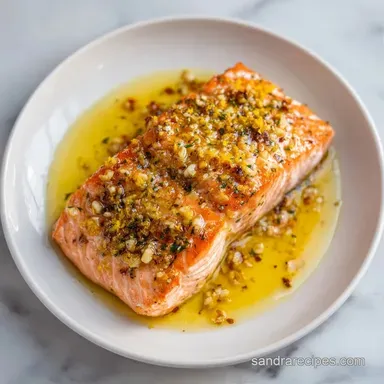
Olive Oil Baked Salmon: Zesty and Tender
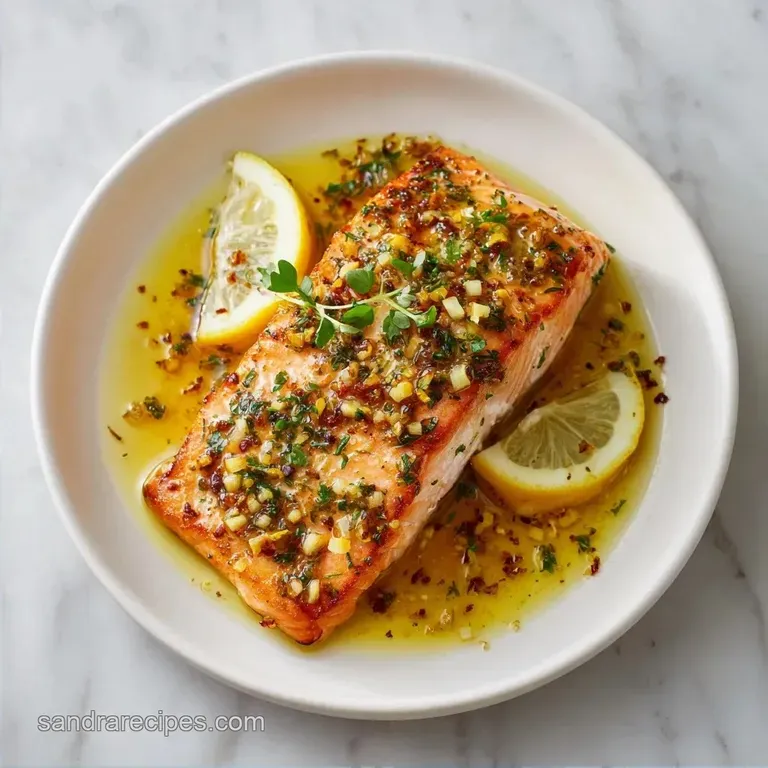
- Time: 5 min active + 15 min bake
- Flavor/Texture Hook: Zesty, buttery, and flaky
- Perfect for: Busy weeknight dinners or healthy meal prep
Easy Olive Oil Baked Salmon Recipe
The smell of sizzling garlic and bright lemon hitting a hot oven is my favorite part of the week. I remember the first time I tried making salmon for a group of friends. I was so worried about overcooking it that I pulled it out too early, and it was practically raw in the middle.
Then I tried the opposite and left it in until it was as dry as a piece of cardboard. It took a few Tuesday nights of trial and error to realize that the trick isn't just the timer, it's the fat barrier.
Once I started using a proper olive oil coating, everything changed. The oil acts like a shield, keeping the fish from steaming in its own juices and giving it that rich, silky mouthfeel. This Olive Oil Baked Salmon is now my go to because it's stress free and requires almost zero cleanup thanks to the parchment paper.
You get a flaky, tender result every time without the panic of flipping fillets in a searing pan.
I've spent a lot of time figuring out the exact balance of acidity and fat. If you use too much lemon juice, the acid "cooks" the fish before it even hits the heat, making it mushy.
But when you whisk it into the oil first, you create a stable mixture that flavors the fish without breaking down the proteins too quickly. It's a reliable, hearty way to get dinner on the table in under 30 minutes.
Why This Method Works
Heat Distribution: Olive oil spreads heat evenly across the surface of the fish, preventing hot spots that cause uneven cooking.
Acid Balance: Mixing lemon juice into the oil prevents the acid from curing the salmon, ensuring the texture remains flaky rather than rubbery.
Moisture Seal: The oil creates a thin barrier that slows down the evaporation of internal juices during the over high heat bake.
Carryover Cooking: Letting the fish rest allows the temperature to equalize, so the center finishes cooking without the edges getting tough.
| Method | Bake Time | Texture | Best For |
|---|---|---|---|
| Olive Oil Bake | 15 mins | Velvety & Tender | Healthy weeknights |
| Pan Sear | 8 mins | Crispy skin/firm | Restaurant style |
| Slow Roast | 30 mins | Very soft/uniform | Large fillets |
The Ingredient Breakdown
Choosing the right ingredients is where most people trip up. For the fish, I prefer center cut fillets because they have a uniform thickness, which means they all finish cooking at the same time.
If you have a piece that's thick on one end and thin on the other, the thin end will be overdone by the time the center is ready.
The garlic needs to be minced very fine. If the pieces are too large, they can burn in the 400°F heat and turn bitter. I always use extra virgin olive oil here because the flavor is more pronounced and it stands up well to the lemon.
| Ingredient | Science Role | Pro Secret |
|---|---|---|
| Salmon | Main Protein | Pat bone dry to prevent steaming |
| Olive Oil | Heat Conduit | Use EVOO for a peppery finish |
| Lemon Juice | Flavor Brightener | Whisk into oil first to stabilize |
| Garlic | Aromatics | Mince into a paste for better adhesion |
Shopping List Breakdown
When you're at the store, look for salmon that is vibrant pink or deep orange. Avoid any fillets that look dull or have a strong "fishy" smell, as that's a sign the fats have started to oxidize. I usually grab the 6 oz fillets because they're the perfect size for a single serving and cook consistently.
For the lemon, get the biggest, heaviest ones you can find. They usually have the most juice. You'll need both the zest and the juice, so zest the lemon before you cut it in half. It's a nightmare trying to zest a squeezed lemon.
Main Components:
- 4 (6 oz / 170g) Salmon filletsWhy this? Uniform size ensures even cooking times
- 3 tbsp (45ml) Extra virgin olive oilWhy this? High smoke point and rich flavor
- 3 cloves (15g) Garlic, mincedWhy this? Adds depth without overpowering the fish
- 1 tbsp (15ml) Fresh lemon juiceWhy this? Cuts through the richness of the salmon fats
- 1 tsp (5g) Lemon zestWhy this? Concentrated citrus oils for aroma
- ½ tsp (3g) SaltWhy this? Essential for flavor and moisture control
- ¼ tsp (1g) Black pepperWhy this? Subtle heat to balance the lemon
- 1 tbsp (4g) Fresh parsley, choppedWhy this? Fresh, grassy finish to brighten the dish
- 4 thin slices of lemonWhy this? Steams flavor into the top of the fillet
| Original Ingredient | Substitute | Why It Works |
|---|---|---|
| Extra Virgin Olive Oil | Avocado Oil | Higher smoke point. Note: More neutral flavor |
| Fresh Parsley | Fresh Dill | Classic pairing. Note: Stronger, anise like taste |
| Fresh Lemon | Lime | Similar acidity. Note: Gives a slightly tropical vibe |
Essential Kitchen Gear
You don't need a professional kitchen to make this. A basic baking sheet and a piece of parchment paper are the most important tools here. I honestly can't stress the parchment paper enough. If you put the salmon directly on the metal, the oil and lemon can stick, and you'll spend twenty minutes scrubbing the pan.
I also recommend using a digital meat thermometer. The FDA recommends cooking salmon to 145° F. However, at this temperature, you run the risk of dry, overcooked fish. For a more tender, juicy result, I pull mine at 135°F and let the carryover heat do the rest.
The Tools:
- Large baking sheet
- Parchment paper
- Small mixing bowl
- Whisk or fork
- Paper towels
- Digital meat thermometer
Cooking step by step
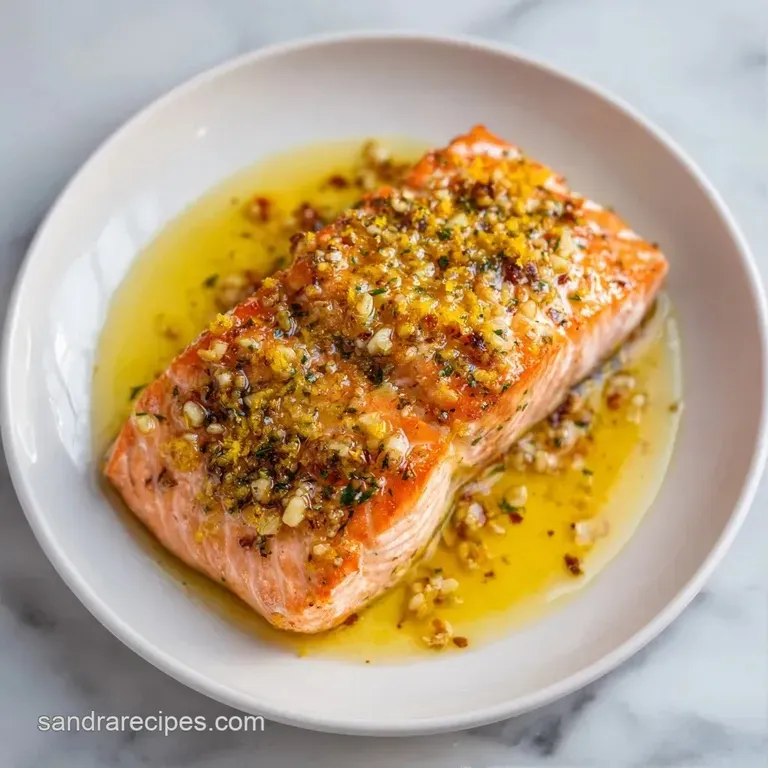
Right then, let's get into it. The key to a great olive oil baked salmon recipe is preparation. If the fish is wet, the oil won't stick, and you'll end up steaming the salmon instead of roasting it.
1. The Prep Phase
Preheat your oven to 400°F (200°C) and line a large baking sheet with parchment paper. Pat the salmon fillets completely dry with a paper towel. Note: This is the most important step for a good texture.
2. Creating the Olive Oil Infusion
In a small mixing bowl, whisk together the olive oil, minced garlic, lemon juice, and lemon zest. Stir them until they form a thick, cloudy emulsion.
3. Seasoning the Fish
Spoon the olive oil mixture over each fillet, rubbing it into the sides and tops. Season generously with salt and black pepper. Note: Don't be shy with the salt; it brings out the natural fats in the fish.
4. The Final Touch
Place the fillets on the prepared baking sheet. Top each fillet with a single thin lemon slice, pressing it gently into the oil coating.
5. The Bake
Bake for 12–15 minutes. You're looking for the salmon to change from a translucent deep orange to an opaque pale pink. Check for an internal temperature of 135°F if you want it medium.
6. The Resting Period
Remove from the oven and let the fish rest on the pan for 5 minutes. Note: This allows the juices to redistribute so they don't leak out the moment you cut into it.
7. Garnish and Serve
Sprinkle the chopped fresh parsley over the fillets just before serving for a pop of color and freshness.
Fixing Common Mistakes
One of the most common things people ask me about is the "white stuff" that comes out of the salmon. That's albumin, a protein that pushes out when the muscle fibers contract from heat. It's totally safe to eat, but if you see a lot of it, it usually means the fish is cooking too fast or is already overdone.
Another issue is uneven cooking. This usually happens if your fillets are different sizes. If you're using a mix of thick and thin cuts, just pull the thinner ones out a few minutes early.
Why Your Salmon Is Dry
Dry salmon usually comes from two things: too high a temperature or leaving it in the oven too long. Because salmon is a lean to medium fat protein, it goes from "perfect" to "dry" in about 120 seconds. Using a thermometer is the only way to be 100% sure.
Why the Garlic Burned
If your garlic is brown or black, it was likely cut too coarsely or the oven was too hot. Mincing the garlic into a paste helps it blend with the oil, which protects it from the direct heat.
| Problem | Root Cause | Solution |
|---|---|---|
| Mushy texture | Too much lemon juice | Mix juice into oil first |
| Sticking to pan | No parchment paper | Always use parchment or silicone |
| Pale color | Oven temp too low | Ensure oven is preheated to 400°F |
Checklist for Success:
- ✓ Fillets patted bone dry before oiling.
- ✓ Oven fully preheated to 400°F.
- ✓ Internal temperature checked at 135°F.
- ✓ Rested for 5 full minutes.
- ✓ Garlic minced very fine.
Fun Flavor Variations
Once you've got the basic garlic olive oil baked salmon down, you can start playing with the flavors. I love this because you can use the same method but change the whole vibe of the meal.
The Honey Garlic Twist
If you want something a bit sweeter, whisk 1 tablespoon of honey into your oil mixture. The sugars in the honey caramelize under the heat, giving the salmon a beautiful golden glaze. If you're in the mood for something richer, my Garlic Butter Salmon uses a similar heat profile but swaps the oil for butter.
The Pesto Power Up
For a faster version, you can skip the garlic and lemon and just spread a thin layer of basil pesto over the fillets. Since pesto is already an emulsion of oil, garlic, and herbs, it works perfectly with this roasting method.
The Herb Crusted Version
Mix some panko breadcrumbs with the olive oil and lemon zest before pressing it onto the top of the fish. This gives you a shatter crisp topping while the inside stays velvety. For a sharper citrus punch, you might like the Lemon Pepper Salmon recipe which dials up the acidity.
The Low Sodium Swap
If you're watching your salt, replace the salt with a pinch of smoked paprika. You get a deep, woody flavor that mimics the savoriness of salt without the sodium.
Scaling the Recipe
If you're cooking for just yourself, you can easily halve this. Just use 1-2 fillets and reduce the oil mixture accordingly. I recommend using a smaller baking sheet so the oil doesn't spread too thin and burn.
For a crowd, say 8 people, don't just double the salt and pepper. Spices don't always scale linearly. I usually increase the salt and pepper to about 1.5x the original amount. Also, work in batches if your oven is small.
If you crowd the pan, the fillets will release too much moisture, and you'll end up with steamed fish instead of roasted fish.
If you're using a very large side of salmon instead of individual fillets, lower the oven temperature to 375°F (190°C) and increase the cook time to about 20-25 minutes. This ensures the middle is cooked through before the outside gets too dark.
Storage & Reheating
Leftover salmon is great, but it can get a "fishy" smell in the fridge if not stored correctly. Place the cooked fillets in an airtight container and let them cool completely before sealing the lid. This prevents condensation from forming, which can make the fish soggy.
Storage Guidelines: - Fridge: Store for 3-4 days. - Freezer: Wrap tightly in foil and plastic wrap for up to 2 months.
To reheat, avoid the microwave if you can. Microwaving salmon often makes it rubbery and releases that strong smell. Instead, pop it in a 275°F (135°C) oven for about 10 minutes, or gently warm it in a pan with a tiny bit of butter over low heat.
Zero Waste Tip: Don't throw away the rest of your lemon! You can freeze the remaining lemon zest in an ice cube tray with a bit of olive oil. Next time you make a stir fry or a pasta dish, just drop a cube in the pan.
Also, the lemon rinds can be simmered with a bit of water and cinnamon to make a natural stovetop potpourri.
Best Ways to Serve
This dish is quite rich, so you want sides that provide a bit of a crunch or a bright contrast. I love serving this with a side of steamed asparagus or a crisp arugula salad with a light vinaigrette. The bitterness of the greens cuts right through the fatty oils of the fish.
If you want something more filling, a bed of quinoa or wild rice is the way to go. The grains soak up the extra lemon garlic oil that drips off the fish on the pan. You can even toss some cherry tomatoes and baby spinach onto the baking sheet during the last 5 minutes of cooking for a one pan meal.
For a bit of extra flair, serve it with a dollop of Greek yogurt mixed with fresh dill and a squeeze of lemon. It adds a cool, creamy element that complements the warmth of the olive oil roasted salmon perfectly. Just keep it simple and let the fish be the star of the show.
Recipe FAQs
Should I put olive oil on my salmon before baking it?
Yes, it is essential. It prevents the fillets from sticking to the parchment paper and helps the garlic and lemon flavors adhere to the fish.
How do you cook salmon in the oven?
Preheat your oven to 400°F (200°C). Rub fillets with the olive oil emulsion and bake for 12–15 minutes until the internal temperature reaches 135°F.
How to cook salmon for a diabetic?
Use the recipe as written without adding sugar. This preparation relies on heart-healthy olive oil and fresh lemon, making it a naturally low-glycemic meal.
How to cook salmon for kidney disease?
Reduce or omit the salt. Rely on the lemon juice and minced garlic to provide a bold flavor profile while keeping sodium levels low.
Is grilled salmon good for high blood pressure?
Yes, salmon and olive oil are beneficial. Their omega-3 fatty acids and monounsaturated fats support overall heart health and blood pressure management.
How do you cook salmon on the stovetop?
Sear the fillets in a hot skillet with olive oil for 4-5 minutes per side. If you prefer a hands-off method, try our easy baked salmon instead.
What is the most delicious but simple recipe for salmon?
A lemon-garlic olive oil bake is the best choice. It uses only a few pantry staples to create a bright, buttery flavor without complex techniques.
Olive Oil Baked Salmon in 20 Minutes