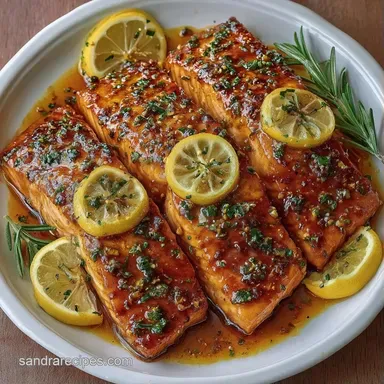
Honey Lemon Garlic Salmon: Caramelized and Crisp
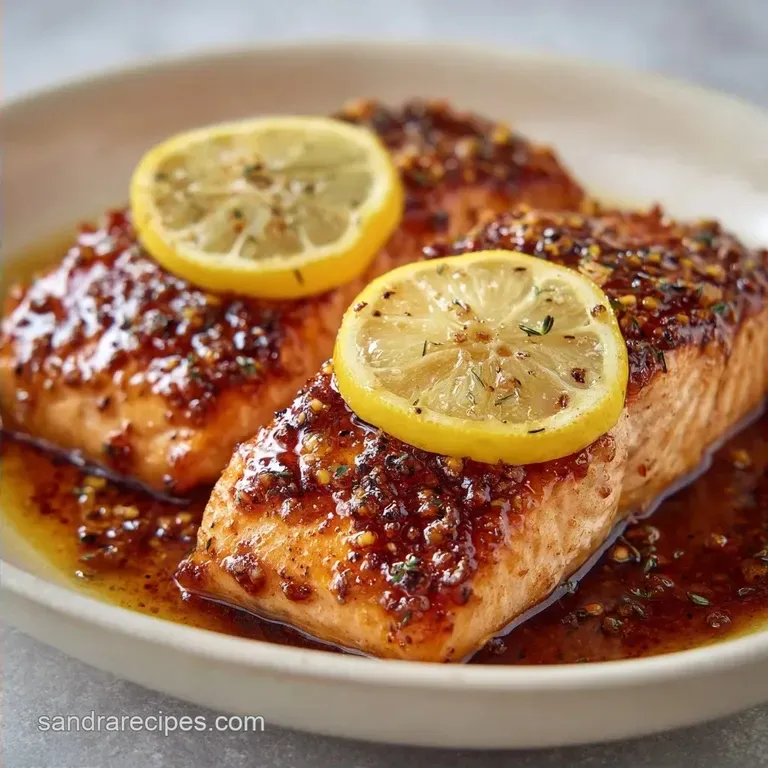
- Time: 5 min active + 10 min cook
- Flavor/Texture Hook: Tangy, sticky glaze with a crisp skin
- Perfect for: Fast weeknight dinners or a stress free date night
Easy Honey Lemon Garlic Salmon
That sharp, loud sizzle when the salmon hits the pan is my favorite part of the whole process. There is something about the smell of butter and garlic hitting a hot skillet that makes the house feel like a bistro.
I remember the first time I tried a glaze like this, I dumped the honey in too early and it turned into a black, bitter mess before the fish was even warm. It was a disaster, but it taught me everything I need to know about heat timing.
The trick is all in the sequence. You can't just throw everything in and hope for the best. You need that hard sear first to get the skin crisp, then a gentle glide into the glaze.
When you get it right, the sauce thickens into a glossy coating that clings to the fish, balancing the richness of the omega-3s with a bright, citrusy punch.
This recipe is designed for those of us who want a hearty meal without spending an hour at the stove. We're using a few simple ingredients to create a flavor that feels high end but takes almost zero effort.
It's reliable, stress free, and honestly, better than most restaurant versions because you control exactly how much garlic goes in (and in my house, that's always a lot).
Why Most Glazes Fail
Most people make the mistake of mixing the glaze into the marinade or adding it to the pan too early. Honey has a low burn point, meaning it turns from "golden and sticky" to "burnt and bitter" in about thirty seconds if the heat is too high. If you've ever had salmon that tasted like charcoal despite the fish being raw in the middle, this is why. I've found that using an Easy Baked Salmon Fillet approach is great for meal prep, but for a pan sear, timing is everything.
Another common slip up is not drying the fish. If there is water on the surface of the fillet, it steams instead of searing. You'll get a gray, rubbery exterior instead of that beautiful brown crust. I used to just pat it once with a towel, but now I'm obsessive about it. The drier the fish, the better the sear.
- Sugar Caramelization
- Honey breaks down and browns quickly, creating a sticky layer that traps other flavors.
- Acid Balance
- Lemon juice breaks down the proteins slightly and cuts through the heavy fat of the salmon.
- Fat Emulsion
- Butter and soy sauce create a velvety sauce that coats the fish instead of sliding off.
- Aromatic Activation
- Sautéing garlic in butter before adding liquids releases oils that deepen the overall taste.
| Method | Time | Texture | Best For |
|---|---|---|---|
| Stovetop Sear | 15 mins | Shatter crisp skin, sticky glaze | Quick dinners, maximum flavor |
| Oven Baked | 20 mins | Uniformly tender, softer skin | Large groups, hands off cooking |
| Air Fryer | 12 mins | Very crisp edges, concentrated glaze | Single servings, low oil |
Component Analysis
I like to think of the ingredients not just as a list, but as tools. Each one does a specific job to make sure the fish doesn't end up dry or bland.
| Ingredient | Science Role | Pro Secret |
|---|---|---|
| Honey | Thickener & Sweetener | Use a mild clover honey to avoid overpowering the lemon |
| Lemon Juice | pH Balancer | Always use fresh; bottled juice has a metallic aftertaste |
| Soy Sauce | Umami Base | Low sodium is key so the salt doesn't mask the honey |
| Garlic | Aromatic | Mince it fresh right before using for the strongest punch |
Ingredients
Here is everything you'll need. I've kept this list short because the quality of the fish does the heavy lifting here.
For the Salmon
- 4 salmon fillets, 6 oz eachWhy this? Standard size ensures even cooking across the pan
- 1 tbsp olive oilWhy this? High smoke point for the initial sear
- 1/2 tsp salt
- 1/4 tsp black pepper
- 1/4 tsp smoked paprikaWhy this? Adds a hint of wood fire depth
For the Honey Lemon Garlic Marinade
- 3 tbsp honeyWhy this? Provides the sticky, glossy finish
- 2 tbsp fresh lemon juice
- 1 tbsp soy sauce (low sodium)Why this? Adds depth and a salty contrast
- 3 cloves garlic, minced
- 1 tbsp unsalted butterWhy this? Creates a velvety emulsion for the sauce
- 1/4 tsp red pepper flakesWhy this? Tiny bit of heat to wake up the palate
Substitution Table
| Original Ingredient | Substitute | Why It Works |
|---|---|---|
| Honey (3 tbsp) | Maple Syrup (3 tbsp) | Similar sugar profile. Note: Adds a woodier, autumn flavor |
| Soy Sauce (1 tbsp) | Tamari or Coconut Aminos | gluten-free alternatives. Note: Coconut aminos are slightly sweeter |
| Unsalted Butter (1 tbsp) | Vegan Butter or Olive Oil | Maintains fat content. Note: You lose some of the creamy richness |
| Salmon | Steelhead Trout | Very similar fat content and texture. Note: Usually a bit leaner |
If you're looking for something even lighter, you might enjoy my Lemon Herb Salmon, which swaps the heavy glaze for fresh greenery.
Bringing It Together
Right then, let's get into the actual cooking. Make sure your pan is large enough that the fillets aren't crowded, or you'll end up steaming the fish.
- Pat the salmon fillets completely dry with paper towels. Note: Moisture is the enemy of a crisp sear.
- Season all sides with salt, black pepper, and smoked paprika.
- Heat olive oil in a large non stick skillet over medium high heat until it shimmers.
- Place fillets skin side down, pressing gently for 10 seconds. Cook undisturbed for 4-5 minutes until the skin is crisp and releases easily from the pan.
- Flip the fillets. Immediately reduce heat to medium.
- Add the butter and minced garlic to the pan. Note: The lower heat prevents the garlic from burning.
- Whisk together the honey, lemon juice, and soy sauce in a small bowl.
- Pour the mixture into the pan once the butter foams.
- Spoon the bubbling sauce over the fish continuously for 2-3 minutes until the sauce thickens into a glaze and the salmon reaches an internal temperature of 135°F (57°C).
Chef's Note: If the sauce thickens too fast and looks like it's about to burn, add a teaspoon of water or an extra squeeze of lemon. It will loosen it right back up.
Avoiding Common Mistakes
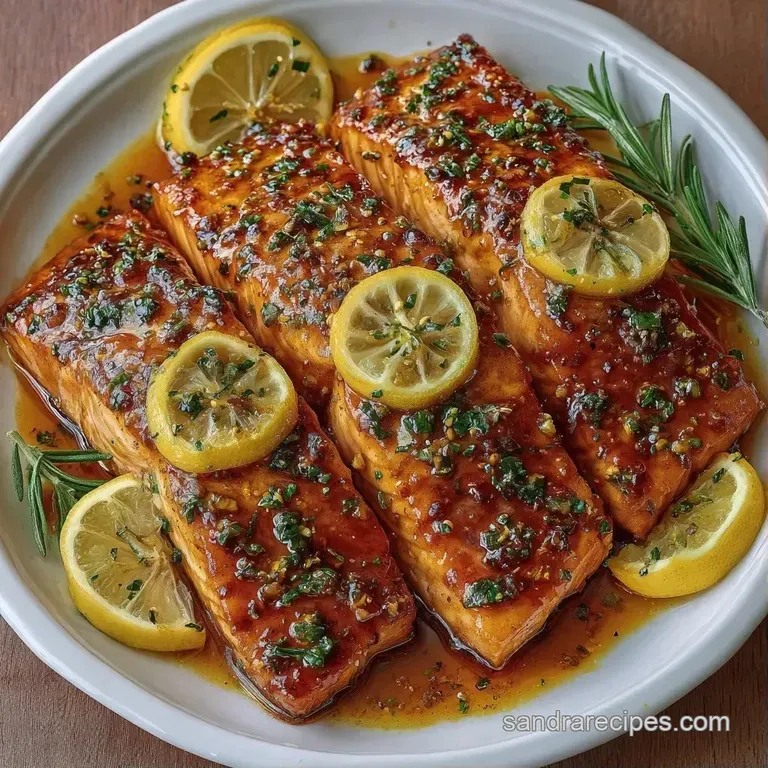
Most issues with this dish come down to temperature management. Salmon is a forgiving fish, but it can go from "juicy" to "cardboard" in about two minutes. According to the guidelines at Serious Eats, the key to a great sear is heat and patience.
Troubleshooting Common Issues
| Issue | Solution |
|---|---|
| Why Your Sauce Burns | If the pan is still screaming hot from the sear when you add the honey, the sugars will carbonize. This is why reducing the heat to medium before adding the butter and honey is a non negotiable step. |
| Why the Salmon Sticks | This usually happens because the fish was put into the pan too early or wasn't dried properly. Wait for the oil to shimmer. If you try to flip the fish and it resists, leave it alone. |
| Why the Fish is Dry | Overcooking is the biggest culprit. |
Common Mistakes Checklist
- ✓ Did I pat the fillets bone dry?
- ✓ Did I wait for the oil to shimmer before adding fish?
- ✓ Did I reduce the heat before adding the garlic and butter?
- ✓ Did I pull the fish at 135°F to allow for carryover cooking?
- ✓ Did I avoid moving the fish during the first 4 minutes?
Adjusting the Batch Size
Depending on who you're feeding, you'll need to tweak the process. This isn't a "one size fits all" situation because the pan surface area changes how the sauce reduces.
Scaling Down (2 Servings) Use a smaller skillet to keep the sauce from evaporating too quickly. Use half the ingredients, but keep the butter at a full tablespoon you need that fat to keep the garlic from burning in a smaller pan.
Reduce the total cook time by about 20% as smaller fillets can cook faster.
Scaling Up (8 Servings) Do not try to cook 8 fillets in one pan. You'll crowd the pan, the temperature will drop, and you'll end up with poached salmon instead of seared. Work in batches of 4.
Keep the seared fillets on a warm plate, then make the glaze in a separate pot and pour it over all the fish at the end. Increase salt and paprika to 1.5x, but keep the honey and soy sauce exactly double too much liquid in the pan will prevent the glaze from thickening.
Baking Adjustments If you decide to bake this, lower your oven to 375°F (190°C) and bake for 12-15 minutes.
Since you won't have the pan reduction effect, simmer the glaze in a small saucepan for 5 minutes first to thicken it before brushing it on the fish.
Debunking Fish Myths
There are a lot of old wives' tales in the kitchen, especially when it comes to seafood. Let's clear a few up.
"Searing seals in the juices" This is simply not true. Searing creates a crust that tastes great, but it doesn't create a waterproof seal. Moisture leaves the fish regardless of how hard you sear it. The crust is about flavor and texture, not juice retention.
"Lemon juice 'cooks' the fish" You might have heard that marinating fish in lemon juice for hours "cooks" it like ceviche. While acid does denature proteins, it takes a significant amount of time and high acidity to do this. A 15 minute marinade won't cook your fish, but it will make it tender.
"You must cook salmon until it flakes" Flaking is a sign of doneness, but by the time it flakes easily with a fork, it's often overcooked. Use a digital thermometer for a reliable result every time.
Keeping it Fresh
Since salmon is rich in fats, it can develop a "fishy" smell if not stored correctly.
Storage Guidelines Place leftovers in an airtight glass container. It'll stay good in the fridge for 3 days. If you're planning to freeze it, wrap the cooked fillets tightly in foil and then a freezer bag for up to 2 months. Note that the texture of the glaze can become a bit grainy after freezing.
Zero Waste Tips Don't toss the salmon skin if you happen to remove it for some reason. You can fry those scraps in a bit of oil until they're like chips. If you have leftover glaze in the pan, don't wash it away. Pour it over some steamed bok choy or roasted asparagus for an instant side dish.
Even the lemon halves can be used; squeeze the last bit of juice into a salad or toss the rinds into your compost.
Best Side Pairings
Because the Honey Lemon Garlic Salmon is quite bold and sticky, you need sides that provide a clean, fresh contrast.
The Low Carb Classic Steamed asparagus or sautéed spinach works best here. The bitterness of the greens cuts right through the honey glaze. A side of cauliflower mash provides a velvety base that soaks up any extra sauce from the plate.
The Hearty Balance If you want something more filling, go with fluffy jasmine rice or quinoa. The grains absorb the soy and lemon flavors perfectly. For a bit of crunch, a cucumber salad with rice vinegar and sesame seeds adds a cool, crisp element to the meal.
The Bistro Plate For a fancier feel, try a bed of wilted kale and some roasted baby potatoes. The earthiness of the potatoes balances the sweetness of the honey, making the whole meal feel more cohesive and hearty.
Recipe FAQs
What is the best way to make a simple, delicious salmon?
Searing fillets in a skillet with a honey garlic glaze. This method provides a crisp skin and rich flavor in under 15 minutes; for a hands off alternative, try our oven baked salmon.
How do you cook salmon on the stovetop?
Sear skin side down in shimmering oil for 4-5 minutes. Flip the fillets, reduce heat to medium, and spoon a bubbling mixture of honey, lemon, and garlic over the fish for 2-3 minutes.
How do I keep salmon from sticking to the pan?
Pat the fillets completely dry and wait for the oil to shimmer. If the fish resists when you try to flip it, leave it alone until it releases naturally from the surface.
How to prevent the honey glaze from burning?
Reduce the heat to medium before adding butter and honey. Adding sugars to a pan that is still screaming hot from the sear will cause the glaze to carbonize.
How do I ensure the salmon stays moist?
Pull the fish when the internal temperature reaches 135°F (57°C). Overcooking is the most common cause of dry salmon.
How do I cook salmon in the oven?
Preheat the oven and roast the fillets on a lined tray. This ensures even heat distribution and a tender result without needing to flip the fish.
Is it true that salmon fillets must be washed before cooking?
No, this is a common misconception. Washing fish splashes bacteria across your workspace and adds surface moisture that prevents the skin from getting crisp.
Honey Lemon Garlic Salmon