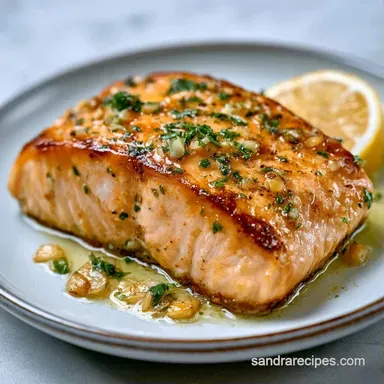
Quick Oven Roasted Salmon: Garlic and Flaky
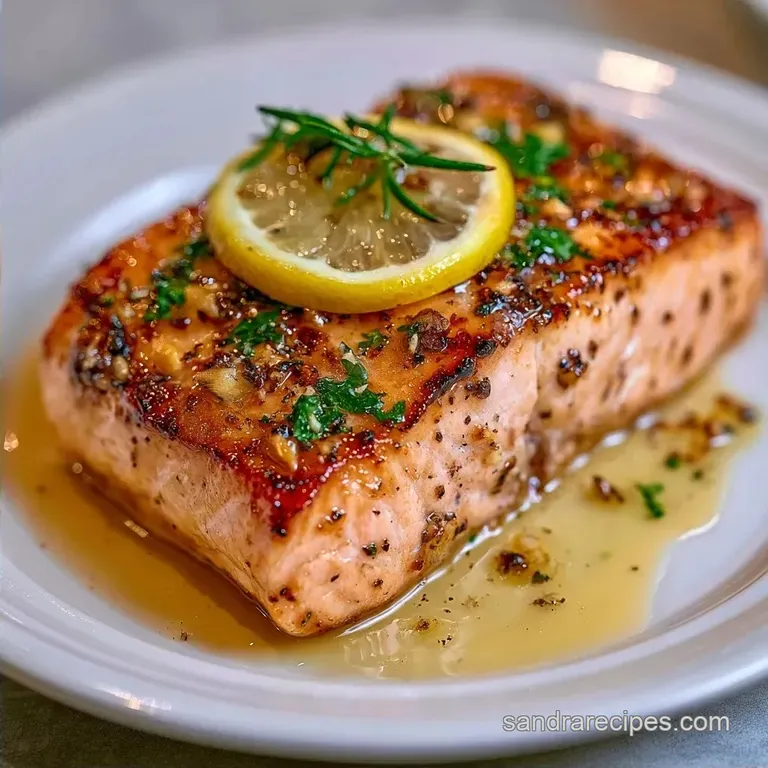
- Time: 10 min active + 15 min cook + 5 min rest = Total 30 mins
- Flavor/Texture Hook: Zesty, garlic infused exterior with a buttery, flakey center
- Perfect for: Hectic weeknights, healthy meal prep, or beginner cooks
That first sizzle when the fish hits the heat is always the best part, but honestly, the real magic is the smell. There is nothing quite like the aroma of garlic and lemon roasting in a hot oven to make a house feel like a home. For the longest time, I was terrified of salmon.
I used to try and sear it in a stainless steel pan, but I'd always end up with a sticky, torn up mess of fish and a smoky kitchen. I thought I just wasn't "good" at fish, but the truth was I was using the wrong method for my skill level.
Once I switched to the oven, everything changed. I realized that by using a sheet pan and parchment paper, I could get that same punch of flavor without the drama of fish sticking to the pan. It's a total win for anyone who wants a hearty meal but doesn't want to spend an hour scrubbing a skillet.
This Quick oven roasted Salmon is all about efficiency. We're using high heat to lock in the moisture and a simple garlic lemon glaze that doesn't require a fancy marinade. You can expect a result that is flakey, juicy, and looks like it took way more effort than it actually did.
Trust me on this, once you try this approach, you'll stop fearing the fillet.
Quick oven roasted Salmon
When you're aiming for a fast dinner, the goal is to maximize flavor while minimizing the cleanup. This recipe is a total workhorse in my kitchen because it's practically impossible to mess up if you follow the temperature cues.
We aren't doing anything fancy here, just using a few high impact ingredients like fresh garlic and lemon zest to create a bright, punchy profile that cuts through the richness of the fish.
If you're looking for a way to feed the family without feeling like you've just worked a second shift, this is it. The beauty of this dish is how it adapts. Whether you have a thick center cut fillet or a few individual portions, the logic remains the same: high heat, short time, and a mandatory rest.
This ensures the fish stays moist and doesn't turn into a dry, chalky brick.
Right then, let's get into why this specific method works so well and how you can avoid the common mistakes that usually lead to overcooked fish. If you've ever wondered why some restaurant salmon is so silky while home cooked versions feel dry, it usually comes down to the carry over heat.
We'll be using that to our advantage here.
Why the Heat Works
Understanding what's happening in the oven helps you stop guessing and start knowing when the fish is done.
- Rapid Surface Sear: The 200°C heat creates a quick crust on the outside, which helps the garlic and lemon infuse into the meat.
- Gentle Core Heating: Because the cook time is short, the heat doesn't have time to penetrate and dry out the center before the fish is already cooked.
- Fat Insulation: The olive oil acts as a barrier, preventing the fish from dehydrating in the dry oven air.
- Carry over Cooking: The internal temperature continues to rise after you pull it from the oven, meaning the "resting" phase is actually where the cooking finishes.
| Method | Time | Texture | Best For |
|---|---|---|---|
| Pan Seared | 10 mins | Crispy skin, firmer | Single fillets |
| oven roasted | 15 mins | Velvety, uniform | Family meals |
| Poached | 20 mins | Very soft, moist | low-fat diets |
Component Analysis
The ingredients here aren't just for flavor; they each have a job to do in the oven.
| Ingredient | Science Role | Pro Secret |
|---|---|---|
| Olive Oil | Heat conductor | Helps the garlic stick to the fillet |
| Lemon Juice | Protein tenderizer | Breaks down tough fibers for a softer bite |
| Kosher Salt | Moisture draw | Pat the fish dry first so salt seasons, doesn't steam |
| Garlic | Flavor aromatic | Mince it fine to avoid burnt "bitter" chunks |
Shopping List Breakdown
For the best results, I always recommend getting a center cut fillet. It's more uniform in thickness, which means the whole piece of fish finishes cooking at the same time. If you get the tail end, it'll be overcooked by the time the thick part is ready.
- 1.5 lb salmon fillet Why this? Ideal size for 4 people without crowding the pan
- 2 tbsp olive oil Why this? Stable at 200°C and neutral flavor
- 1 tsp kosher salt Why this? Larger grains make it easier to control seasoning
- 1/2 tsp cracked black pepper Why this? Coarse grind gives a better textural pop
- 3 cloves garlic, minced Why this? Fresh garlic is punchier than powdered
- 1 tbsp fresh lemon juice Why this? Adds a bright acidity that cuts the fat
- 1 lemon, thinly sliced into rounds Why this? Protects the fish and adds a roasted citrus flavor
- 1 tbsp fresh parsley, chopped Why this? Adds a fresh, grassy finish to a rich dish
- 1 tsp lemon zest Why this? Essential oils in the skin provide the "lemon" smell
If you're on a budget, don't feel like you have to buy the most expensive wild caught sockeye. Frozen fillets work great as long as you thaw them completely in the fridge overnight. If you're looking for a different take on fish, you might enjoy my Homemade Baked Salmon recipe for a different flavor profile.
| Original Ingredient | Substitute | Why It Works |
|---|---|---|
| Olive Oil | Avocado Oil | Higher smoke point. Note: Very neutral taste |
| Fresh Lemon | Bottled Lemon Juice | Convenient. Note: Slightly more acidic/sharp |
| Kosher Salt | Table Salt | Common pantry staple. Note: Use 1/2 the amount |
| Fresh Parsley | Dried Parsley | Lasts longer. Note: Less vibrant color and flavor |
Right then, let's talk about the gear. You don't need a professional kitchen for this, just a few basics.
Necessary Kitchen Gear
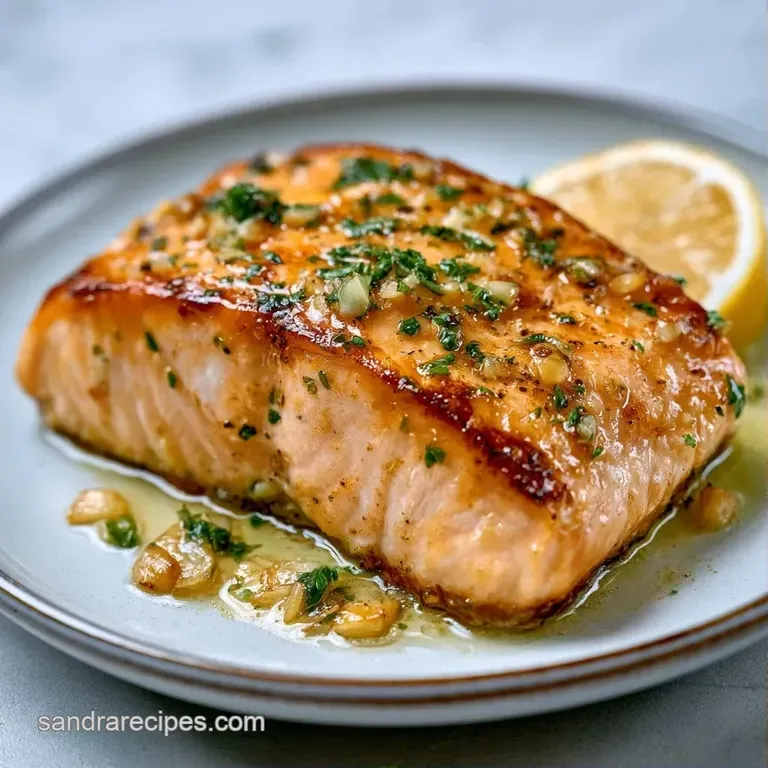
I honestly can't stress enough how important the parchment paper is. If you put the salmon directly on the metal, you're basically playing a game of "will it stick?" and you're probably going to lose. The parchment creates a non stick barrier that makes cleanup a breeze.
You'll also want a meat thermometer. I know some people like to "press" the fish with a fork to see if it flakes, but that's a gamble. A digital thermometer is the only way to ensure you don't overcook the Quick oven roasted Salmon.
Finally, a rimmed sheet pan is a must. If you use a flat cookie sheet, the lemon juice and oil might run off the edge and start a grease fire in your oven. Always use the rimmed version to keep the liquids contained.
Step by step Method
Let's crack on with the actual cooking. Follow these steps, and you'll get that velvety texture every single time.
- Preheat your oven to 400°F (200°C) and line a large rimmed sheet pan with parchment paper. Note: Preheating ensures the fish starts searing immediately.
- Pat the salmon fillets completely dry with paper towels. until the surface is matte and not glistening. Note: Moisture on the surface creates steam, which prevents a golden crust.
- In a small mixing bowl, whisk together the olive oil, minced garlic, and lemon juice.
- Brush the garlic lemon mixture generously over the top and sides of the fish fillets.
- Sprinkle the fillets evenly with kosher salt and cracked black pepper, then top each fillet with a lemon slice.
- Place the pan on the center rack and roast for 12 to 15 minutes, until the internal temperature reaches 130°F (54°C) at the thickest part.
- Remove from the oven and let the salmon rest for 5 minutes to allow carry over cooking to reach a perfect medium.
- Garnish with fresh parsley and lemon zest before serving.
Avoiding Common Salmon Mistakes
One of the biggest frustrations with this dish is the "white stuff" that sometimes seeps out of the fish. It's called albumin, and while it's perfectly safe to eat, it doesn't look great. It usually happens when the fish is cooked too quickly or at too high a temperature, forcing the protein out of the muscle fibers.
The White Stuff
This usually happens if you leave the fish in for even 2 minutes too long. To avoid this, pull the salmon out of the oven the second it hits 130°F (54°C). The resting period will do the rest of the work.
Preventing Stick
If your fish is sticking to the parchment, you probably didn't use enough olive oil. The oil doesn't just add flavor; it creates a hydrophobic layer between the protein and the paper.
The Perfect Temp
Overcooking salmon is the fastest way to ruin a meal. Because it's a fatty fish, it goes from "perfect" to "dry" in a very short window. Use a thermometer and trust the numbers, not the clock.
| Problem | Root Cause | Solution |
|---|---|---|
| Dry, chalky meat | Overcooked | Pull fish at 130°F (54°C) |
| Pale, grey color | Not enough heat | Ensure oven is fully preheated to 200°C |
| Burnt garlic | Too much minced garlic | Spread garlic evenly, don't clump it |
Quick Check for Success:
- ✓ Fillets are patted bone dry before oiling.
- ✓ Oven is fully preheated before the pan goes in.
- ✓ Meat thermometer is used to check the thickest part.
- ✓ Salmon is rested for at least 5 minutes.
- ✓ Parchment paper is used to prevent sticking.
Ways to Customize
If you're cooking for a crowd or just want to switch things up, you can easily adjust this recipe. Since we're using a budget friendly base, you can add a few "premium" touches without breaking the bank.
For those cooking for one or two: If you're cutting the recipe in half, use a smaller baking sheet. If you use a massive pan for one small fillet, the oil can spread too thin and burn. Reduce your cook time by about 2-3 minutes and start checking the temperature early.
For the party planners: When doubling or tripling the recipe, don't crowd the pan. If the fillets are touching, they'll steam instead of roast, and you'll lose that golden exterior. Use two separate pans and rotate them halfway through the cooking process to ensure even heat.
Flavor twists you should try:
- The Honey Glaze: Mix 1 tbsp of honey into the garlic lemon mixture for a sweet and savory crust.
- The Pesto Route: Swap the olive oil and garlic for 2 tbsp of prepared pesto.
- The Spicy Kick: Add 1/2 tsp of smoked paprika or a pinch of cayenne pepper to the salt and pepper mix.
Decision Shortcut:
- If you want a crispier exterior, do a quick 2 minute sear in a pan before roasting.
- If you have very thick fillets (over 1.5 inches), do roast for 18-20 minutes at 375°F (190°C).
- If you're using frozen thawed fillets, do pat them dry twice as much as fresh fish.
Storage and Waste Tips
Leftover salmon is actually great, but you have to be careful when reheating it, or you'll end up with a rubbery texture. Store your cooked salmon in an airtight container in the fridge for up to 3 days. I don't recommend freezing cooked salmon, as the texture becomes grainy.
When it comes to reheating, avoid the microwave if you can. The microwave blasts the proteins and dries them out instantly. Instead, pop the salmon in a 275°F (135°C) oven for about 10 minutes, or gently warm it in a pan with a tiny bit of butter over low heat.
To keep things zero waste, don't throw away those lemon rinds after you've zested them. You can toss them into a jar of white vinegar for a week to make a homemade citrus cleaner. Also, if you have any leftover garlic lemon oil on the pan, drizzle it over some steamed broccoli or asparagus for an instant side dish.
Serving Your Fish
The final touch is all about balance. Because the Quick oven roasted Salmon is rich and buttery, you need something acidic or fresh to cut through that weight. I love serving this with a side of sautéed spinach or a crisp cucumber salad.
If you're feeling fancy, serve the fillet on a bed of quinoa or wild rice to soak up the extra garlic lemon juices from the pan. The combination of the nutty grains and the velvety fish is pure comfort food.
One last tip: serve the fish with an extra wedge of fresh lemon on the side. A final squeeze of cold lemon juice right before eating wakes up all the roasted flavors and makes the whole dish feel fresh and vibrant. Now, go get that oven preheated and enjoy!
Recipe FAQs
How long will it take to cook salmon in the oven at 400 degrees?
Roast for 12 to 15 minutes. Let the fillets rest for 5 minutes after removing them from the oven to reach a perfect medium.
How to cook salmon for a diabetic?
Follow the recipe as written. The use of olive oil, garlic, and lemon provides a heart healthy, low-glycemic meal that is safe for diabetics.
Is grilled salmon good for high blood pressure?
Yes, it is a heart healthy choice. Salmon is rich in omega-3 fatty acids, and roasting it with olive oil helps manage blood pressure levels.
How to bake salmon for gastritis?
Omit the lemon juice and garlic. Use only the olive oil and a small amount of salt to keep the flavors mild and non-irritating to the stomach.
What are some good salmon recipes without lemon?
Skip the lemon juice and slices. You can still achieve a savory, golden crust using only the olive oil, minced garlic, salt, and pepper.
What is the most delicious but simple recipe for salmon?
Use a high heat roast with a garlic lemon glaze. This creates a velvety texture in under 30 minutes and pairs beautifully with a creamy tomato pasta.
How to keep salmon from drying out in the oven?
Pull the fish at an internal temperature of 130°F. Allowing the fillets to rest for 5 minutes ensures the center finishes cooking without overcooking the proteins.
Quick oven roasted Salmon