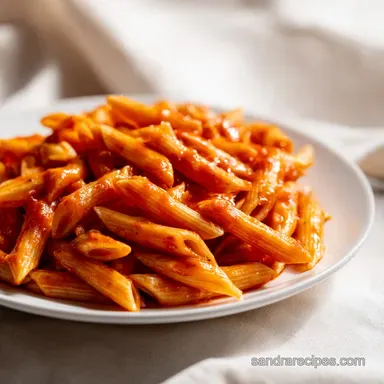
Simple Creamy Tomato Pasta: Velvety and Hearty
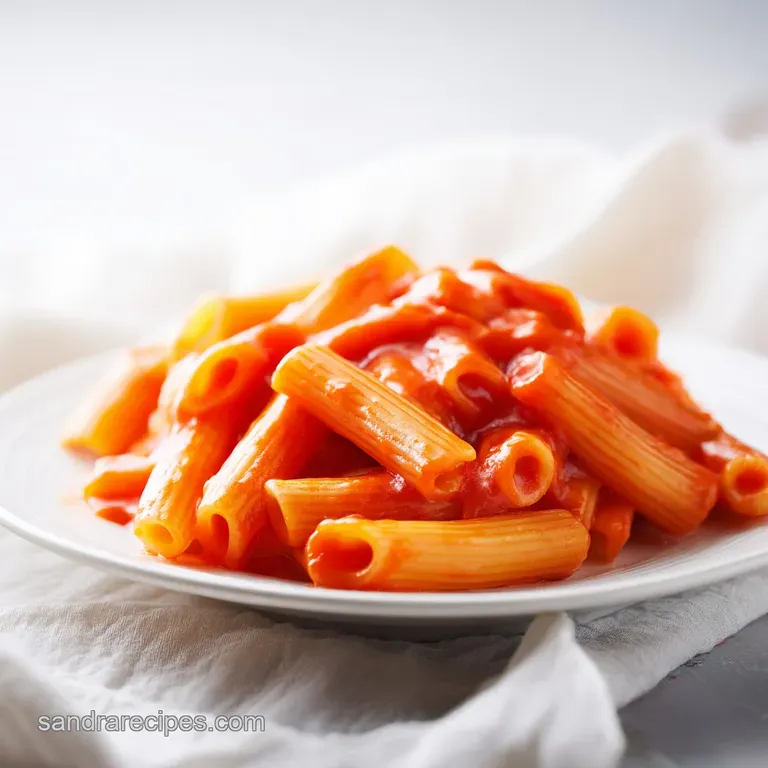
- Time: 5 min active + 15 min cook = 20 min total
- Flavor/Texture Hook: Velvety, tangy, and hearty
- Perfect for: Stress free weeknight dinners or beginner cooks
My simple creamy tomato pasta recipe
The sharp sizzle of minced garlic hitting hot olive oil is, for me, the official sound of "dinner is happening." There is something about that specific aroma garlic, red pepper flakes, and the first splash of crushed tomatoes that immediately makes a house feel like a home.
I remember a Tuesday night a few years ago when I was staring at a nearly empty fridge, craving something decadent but realizing I was out of heavy cream. I figured, why not just use the whole milk and a bit of the pasta water?
Honestly, that "accident" ended up being better than the rich versions. It wasn't weighed down by too much fat, but it still had that silky, pale orange glow that clings to every ridge of the pasta.
I realized then that we've been told we need "professional" ingredients to get a restaurant style sauce, but that's just not true.
You can expect a dish that is hearty and comforting without feeling like a lead weight in your stomach. This simple creamy tomato pasta recipe is all about balance the acidity of the tomatoes is mellowed out by the milk, while the Parmesan adds a salty, umami punch.
It is reliable, stress free, and uses ingredients you probably already have in your cupboard.
Why Other Recipes Fail
Many guides tell you to simmer your sauce for hours or use a cup of heavy cream to get that smoothness. But let's be real, who has three hours on a Tuesday? When you over reduce a tomato sauce without a fat source, it can become too acidic or "metallic." Conversely, adding too much cream masks the bright, fresh taste of the tomatoes, turning it into a bland, beige mush.
The trick is using the pasta water. Most people just drain their noodles and toss the gold liquid down the sink. That water is filled with starch, which acts as a bridge between the water based tomato sauce and the fat based milk and cheese.
Without it, your sauce might just slide off the pasta or separate into a greasy mess.
- Starch Bind
- The amylose in the pasta water thickens the sauce, ensuring it sticks to the noodles instead of pooling at the bottom.
- Fat Balance
- Whole milk provides enough lipids to soften the tomato acidity without overpowering the flavor.
- Temperature Control
- Adding the dairy at a lower heat prevents the milk from curdling when it hits the acidic tomatoes.
- Emulsion Stability
- Tossing the pasta vigorously in the pan creates a physical bond between the sauce and the noodle.
| Method | Time | Texture | Best For |
|---|---|---|---|
| Stovetop | 20 mins | Velvety & Glossy | Quick weeknights |
| Oven Baked | 45 mins | Thick & Crusty | Sunday meal prep |
Ingredient Deep Dive
Understanding what each part does helps you make better decisions if you're missing something. For instance, the Parmesan isn't just for flavor, it's a structural component.
| Ingredient | Science Role | Pro Secret |
|---|---|---|
| Crushed Tomatoes | Acid Base | Use a brand with no added sugar for better balance |
| Whole Milk | Fat Emulsifier | Room temperature milk prevents sauce splitting |
| Parmesan | Umami Binder | Freshly grated melts much smoother than bottled |
| Pasta Water | Starch Thickener | Always reserve more than you think you'll need |
Essential Ingredients List
Right then, let's look at what you need. I've kept this budget friendly, focusing on high impact, low cost items.
- 1 lb (450g) Penne or RigatoniWhy this? Tubular shapes hold the creamy sauce inside. (Substitute: Fusilli for more surface area)
- 1 tbsp (15ml) SaltWhy this? Seasoning the water is the only time you flavor the pasta itself. (Substitute: Kosher salt)
- 2 tbsp (30ml) Olive oilWhy this? Provides a clean base for the garlic. (Substitute: Unsalted butter for a nuttier taste)
- 3 cloves (15g) Garlic, mincedWhy this? Essential aromatic base. (Substitute: 1 tsp garlic powder, though fresh is better)
- 1 can (15 oz / 425g) Crushed tomatoesWhy this? Faster than blending whole tomatoes. (Substitute: Tomato puree)
- 1/2 cup (120ml) Whole milkWhy this? Creates the "creamy" feel on a budget. (Substitute: Evaporated milk for more richness)
- 1/4 cup (30g) Grated Parmesan cheeseWhy this? Adds salt and thickness. (Substitute: Pecorino Romano for a sharper tang)
- 1/2 tsp (2.5g) Red pepper flakesWhy this? Cuts through the richness with a tiny kick. (Substitute: A pinch of cayenne)
- Salt and black pepper to tasteWhy this? Final adjustments for balance.
- 1/4 cup (15g) Fresh basil leaves, tornWhy this? Adds a fresh, herbal finish. (Substitute: 1 tsp dried basil, added earlier)
Needed Kitchen Tools
You don't need a fancy setup for this. A basic pot and a wide skillet are your best friends here. A wide skillet is key because it gives the sauce more surface area to reduce and allows you to toss the pasta without it spilling over the edges.
I usually use a stainless steel or non stick skillet, but a cast iron one works if you don't mind a bit more "rustic" character. Just make sure you have a sturdy tongs or a wooden spoon for the final emulsification.
Cooking step by step
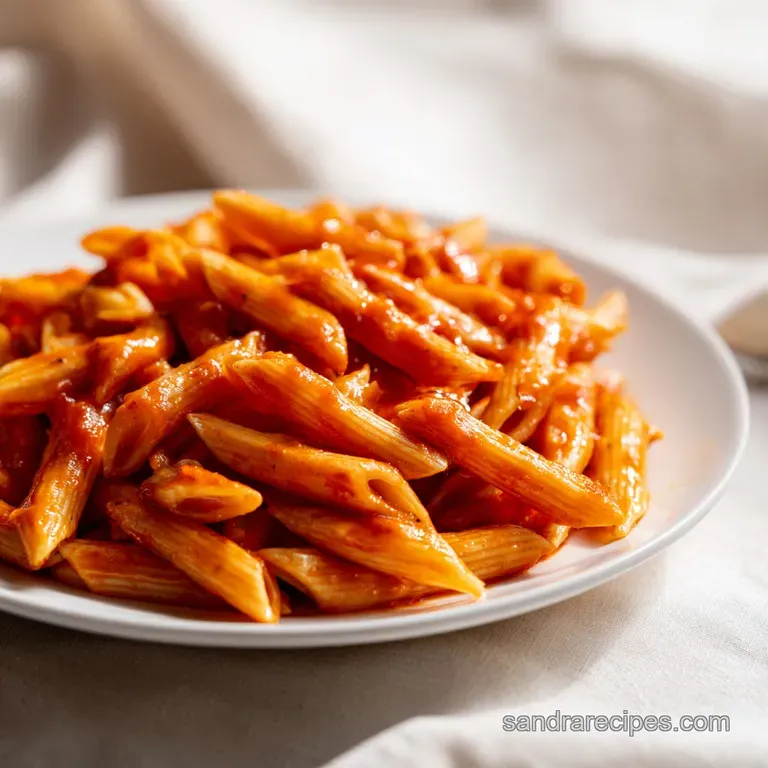
Let's crack on. Follow these steps and pay attention to the sensory cues that's how you'll know it's actually working.
- Boil the water. Fill a large pot with water and add 1 tbsp salt. Bring to a rolling boil.
- Cook the pasta. Add the penne or rigatoni. Cook until al dente. Note: Al dente means it still has a slight bite; it will finish cooking in the sauce.
- Save the gold. Before draining, scoop out 1 cup (240ml) of the starchy pasta water. Set it aside.
- Sauté aromatics. Heat 2 tbsp olive oil in a skillet over medium heat. Add minced garlic and red pepper flakes. Sauté for 1 minute until fragrant and translucent.
- Simmer tomatoes. Pour in the crushed tomatoes. Simmer for 5-7 minutes until the sauce thickens slightly and smells rich.
- Add the creaminess. Lower the heat to medium low. Stir in the 1/2 cup whole milk and 1/4 cup Parmesan. Stir until smooth and pale orange.
- Combine. Add the drained pasta to the skillet.
- Emulsify. Pour in small splashes of the reserved pasta water, tossing continuously over medium heat until the sauce clings to the pasta in a velvety glaze.
- Final touch. Stir in the torn fresh basil and season with salt and black pepper. Remove from heat immediately.
Chef's Note: If you're using a high protein pasta, you might find the water is even starchier. This is great! It means your sauce will be even silkier. For more on how pasta starches work, Serious Eats has some great deep dives on the "pasta water" phenomenon.
Pro Tips and Pitfalls
The biggest mistake people make is adding the milk while the sauce is boiling violently. This can cause the proteins in the milk to clump, leaving you with a grainy texture. Always drop the heat before adding the dairy.
Another common error is overcooking the pasta in the pot. Remember, the pasta spends another 2-3 minutes in the skillet with the sauce. If you cook it to "soft" in the water, it will turn into mush by the time it hits your plate.
Troubleshooting Common Issues
| Issue | Solution |
|---|---|
| Why Your Sauce Separated | This usually happens if the heat was too high when the cheese and milk were added, or if you didn't use enough pasta water. The fat separates from the water based tomato sauce, leaving oily bubbles on |
| Why Your Sauce Is Thin | If the sauce feels more like a soup than a glaze, you likely didn't simmer the tomatoes long enough or didn't toss the pasta long enough in the pan. The physical action of tossing helps the starch bin |
| Why Your Garlic Burned | Garlic has a very low burn point. If the oil is shimmering and smoking, it's too hot. The garlic should sizzle gently, not turn dark brown in ten seconds. |
Common Mistakes Checklist:
- ✓ Did you reserve the pasta water before draining?
- ✓ Is the heat on medium low before adding the milk?
- ✓ Is the pasta slightly firm (al dente) before hitting the pan?
- ✓ Did you tear the basil fresh rather than chopping it (which bruises the leaves)?
Easy Dietary Swaps
If you're looking to change things up, this recipe is surprisingly flexible. You can easily turn this into a vegetarian creamy tomato pasta or a lighter version without losing the heartiness.
For those avoiding dairy, you can use full fat coconut milk. According to USDA FoodData, coconut milk provides a similar fat profile to cream, though it adds a distinct tropical note. If you go this route, I recommend adding a bit more lemon juice or a pinch of extra salt to balance the sweetness.
If you want a lower calorie option, try substituting the penne with zoodles or chickpea pasta. Just be aware that chickpea pasta releases way more starch, so you'll need to be more aggressive with the reserved water to keep it from getting too thick.
For a protein boost, this pasta pairs beautifully with a light fish dish. If you have extra time, try making my Easy One Pan Baked Salmon recipe as a side to turn this into a full feast.
Storage and Reheating
Pasta is a bit of a sponge. If you store this in the fridge, the noodles will absorb the sauce overnight. When you go to reheat it, you'll find the pasta looks dry and the sauce has disappeared.
Fridge: Store in an airtight container for 3-4 days. Freezer: I don't recommend freezing the cooked pasta, but you can freeze the sauce (without the milk/cheese) for up to 3 months.
Reheating: To bring it back to life, add a splash of water or milk to the pan before reheating on the stovetop. This loosens the sauce and restores that velvety texture. Avoid the microwave if possible, as it can make the pasta rubbery.
Zero Waste Tip: Don't throw away the leftover tomato bits in the can! Rinse the can with a bit of water, pour it into the pasta pot, and use it. It's a great way to get every bit of flavor.
Best Serving Ideas
This dish is a comfort food powerhouse on its own, but a few additions can make it feel more special. I love serving it with a simple arugula salad with a sharp lemon vinaigrette to cut through the richness of the Parmesan.
If you're hosting a dinner, a piece of toasted sourdough rubbed with a raw garlic clove is the only accompaniment you need. For dessert, since the pasta is so hearty, keep it light. A creamy lemon posset provides a bright, citrusy finish that cleanses the palate after all that cheese and tomato.
Decision Shortcut: If you want more heat → Add a pinch of cayenne to the garlic. If you want it richer → Swap whole milk for heavy cream or mascarpone. If you want more veg → Stir in two handfuls of baby spinach at the very end.
Recipe FAQs
How to make a simple creamy tomato pasta sauce?
Sauté garlic and red pepper flakes in olive oil, then simmer crushed tomatoes for 5 7 minutes. Stir in whole milk and Parmesan cheese over medium low heat until the sauce is smooth and pale orange.
What are the core ingredients in this tomato sauce for pasta?
Crushed tomatoes, whole milk, Parmesan cheese, and garlic. These four components provide the essential acidity, creaminess, saltiness, and aromatic base.
What can I add to tomato pasta sauce to make it creamy?
Stir in whole milk and grated Parmesan cheese. Combining these two ingredients with the tomato base creates a velvety, rich texture.
Is this creamy tomato pasta suitable for someone with gastritis?
No, this recipe may be too irritating. The inclusion of garlic and red pepper flakes can trigger discomfort for those with gastritis.
Why did my sauce separate into oily bubbles?
The heat was likely too high when you added the milk and cheese. To prevent this, keep the temperature at medium low and use reserved pasta water to stabilize the emulsion.
How to store and reheat leftover pasta?
Store in an airtight container in the fridge for 3-4 days. Reheat on the stovetop with a splash of water or milk to loosen the sauce and restore its texture.
Is it true that I should drain all the pasta water before adding the sauce?
No, this is a common misconception. Reserving one cup of starchy pasta water is necessary to help the sauce cling to the noodles during the final toss.
Simple Creamy Tomato Pasta