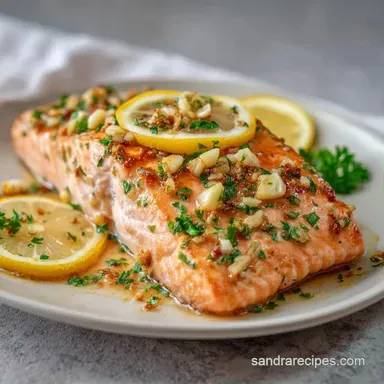
Simple Roasted Salmon: Velvety and Flaky
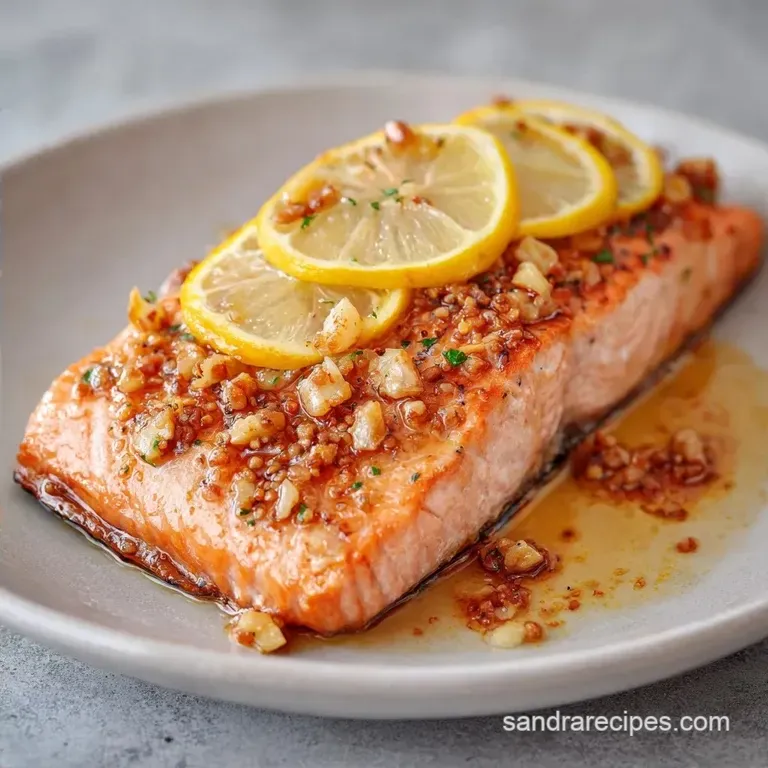
- Time:5 minutes active + 15 minutes cooking
- Flavor/Texture Hook: Velvety, flaky flesh with a citrusy punch
- Perfect for: Stress free weeknight dinners or a quick healthy date night
That unmistakable sizzle when the fish hits the hot pan is one thing, but the aroma of roasting garlic and lemon filling the kitchen is where the real magic happens. I remember the first time I tried to host a dinner party with salmon. I followed some fancy guide, but I didn't dry the fish. The result?
A soggy, steamed mess that looked more like a boiled fish cake than a roast.
It was honestly a disaster. I spent the whole night apologizing for the "poached" look of my main course while my guests politely chewed through rubbery fillets. That's when I realized that most recipes skip the most important part: moisture control. Since then, I've stripped everything back to the basics. This Simple Roasted Salmon method is my "fail safe" because it focuses on what actually matters, not fancy garnishes.
You can expect a result that's flaky and tender, with a hint of char from the lemon slices. We're not doing anything overly complicated here. Just a few high-quality ingredients and a bit of patience with the temperature. Let's crack on and get this in the oven.
Simple Roasted Salmon
Right then, the secret to this dish isn't a special sauce or a hidden ingredient. It's all about the prep flow. Most people just throw the fish in the oven and hope for the best, but we're going to be more intentional.
By managing the surface moisture and using a specific heat setting, we guarantee that the fish doesn't dry out.
If you've ever wondered why restaurant salmon looks so different from home cooked versions, it's usually the heat. They use high, consistent temperatures to set the proteins quickly.
This Simple Roasted Salmon recipe mimics that by using 400°F (200°C), which is the sweet spot for getting a roast without turning the fish into a brick.
I've found that the biggest hurdle for most home cooks is fear. Fear of overcooking, fear of the skin sticking, or fear of that weird white stuff that leaks out. Trust me on this: once you have a meat thermometer and a dry fillet, those fears vanish.
It's all about hitting those numeric checkpoints we'll discuss in a bit.
Stop Overcooking Your Fish
I used to think that the longer it stayed in the oven, the "safer" it was. Boy, was I wrong. Overcooked salmon is an absolute tragedy. It goes from velvety to chalky in about 120 seconds. The key is understanding how the heat interacts with the fat in the fish.
Surface Moisture: Water on the skin creates steam, which prevents roasting. Patting the fish dry allows the oil to sear the surface immediately.
Over High heat Setting: A 400°F (200°C) oven creates a quick exterior crust. This helps lock in the internal juices before they can evaporate.
Carryover Cooking: The fish continues to cook for several minutes after leaving the oven. Pulling it at 135°F (57°C) ensures it hits the ideal temperature while resting.
Skin Insulation: Keeping the skin side down acts as a heat shield. This protects the delicate flesh from the direct heat of the baking sheet.
| Method | Time | Texture | Best For |
|---|---|---|---|
| oven roasted | 15 mins | Flaky & Even | Weeknights |
| Pan Seared | 8 mins | Crispy Skin | Quick Lunch |
| Poached | 20 mins | Soft & Moist | Brunch |
Component Analysis
Before we get into the gear, let's look at why these specific ingredients are in the mix. It's not just about flavor, it's about how they behave under heat.
| Ingredient | Science Role | Pro Secret |
|---|---|---|
| Salmon Fillets | Primary Protein | Buy "Center Cut" for even cooking |
| Olive Oil | Heat Conductor | Use a high smoke point oil to avoid burnt taste |
| Lemon Slices | Acid Balance | The slices protect the flesh from direct heat |
| Garlic | Aromatic Base | Mince finely so it doesn't burn before the fish is done |
What You'll Need
For this Simple Roasted Salmon, keep it lean. You don't need a pantry full of spices when you have high-quality fats and acids.
For the Salmon
- 4 salmon fillets (6 oz each) Why this? Standard size for consistent 15 minute cooking
- 2 tbsp olive oil Why this? Helps distribute heat and prevents sticking
- 1 tsp kosher salt Why this? Coarser grains season more evenly than table salt
- 1/2 tsp cracked black pepper Why this? Freshly cracked provides a sharper bite
For the Aromatics
- 1 lemon, thinly sliced Why this? Adds brightness and prevents the top from drying
- 3 cloves garlic, minced Why this? Adds a savory depth that complements the fat
- 2 tbsp fresh parsley, chopped Why this? Freshness to cut through the richness
| Original Ingredient | Substitute | Why It Works |
|---|---|---|
| Olive Oil | Melted Butter | Similar fat content. Note: Browns faster and adds a nuttier flavor |
| Kosher Salt | Sea Salt | Comparable salinity. Note: Use slightly less if using fine sea salt |
| Fresh Parsley | Fresh Dill | Similar herbal profile. Note: Gives a more traditional Scandinavian vibe |
Equipment Needed
You don't need a professional kitchen for this. A basic setup will do. I highly recommend using a rimmed baking sheet so no oil drips onto your oven floor.
First, get some parchment paper. I've made the mistake of greasing the pan and still having the skin stick. Parchment is the only way to be 100% sure your Simple Roasted Salmon slides right off. If you don't have parchment, aluminum foil works, but you'll need a bit more oil.
A digital meat thermometer is your best friend here. Stop guessing based on "flakiness" and start using numbers. It's the only way to hit that medium rare sweet spot every single time. If you're feeling fancy, a fish spatula is great for serving, but a regular spatula works fine.
From Prep to Plate
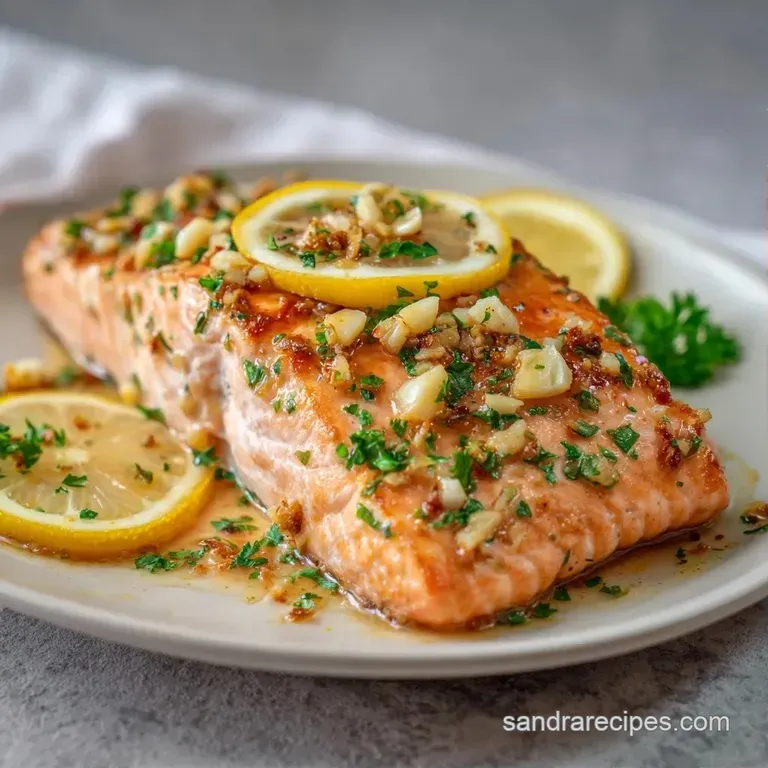
Let's get into the flow. This is a fast process, so have everything prepped before you turn on the oven.
Phase 1: The Dry Down & Seasoning
- Preheat your oven to 400°F (200°C) and line your baking sheet with parchment paper. Note: Doing this first ensures the pan is warm
- Pat salmon fillets completely dry on all sides using paper towels. until the surface is matte and no longer glisteningNote: This is the most critical step for texture
- Rub olive oil evenly over the flesh and skin.
- Season generously with salt and pepper on both sides.
Phase 2: The Roast
- Place fillets skin side down on the pan.
- Top each fillet with a lemon slice and a pinch of minced garlic.
- Roast in the center rack for 12-15 minutes until the flesh is opaque and reaches 135°F (57°C) for medium rareNote: Check temp 3 mins before the timer ends
Phase 3: The Finishing Touch
- Remove from oven immediately once the temperature is hit.
- Sprinkle with chopped parsley.
- Let rest on the pan for 5 minutes before serving. until the juices redistributeNote: Moving it too soon can break the fillet
Avoiding Kitchen Disasters
Even with a Simple Roasted Salmon recipe, things can go sideways. Usually, it's a matter of temperature or timing.
Why Your Salmon Has White Stuff
That white substance is called albumin. It's just a protein that squeezes out when the muscles contract too quickly from high heat. While it's safe to eat, it's not pretty. To minimize it, don't overcook the fish and let it come to room temperature for 15 minutes before roasting.
Why Your Skin is Sticking
This happens when the pan isn't hot enough or the skin was damp. The protein in the skin bonds to the metal. Using parchment paper almost entirely eliminates this. If you're not using parchment, make sure the oil is shimmering before the fish touches the surface.
Fixing Overcooked Salmon
If you've gone too far and the fish is chalky, don't throw it away. Flake the salmon into a bowl and mix it with a bit of Greek yogurt, lemon juice, and capers. You've just turned a dinner fail into a great salmon salad for tomorrow's lunch.
| Problem | Root Cause | Solution |
|---|---|---|
| Rubbery Texture | Overcooked | Pull fish at 135°F (57°C) |
| Soggy Bottom | Wet Skin | Pat dry with paper towels |
| Burnt Garlic | Too much heat | Mince garlic finely or tuck under lemon |
Common Mistakes Checklist:
- ✓ Did you pat the fish completely dry?
- ✓ Is the oven fully preheated to 400°F (200°C)?
- ✓ Are the fillets spaced apart (not touching)?
- ✓ Did you check the internal temp with a thermometer?
- ✓ Did you let it rest for 5 minutes?
Taste Tweaks & Swaps
Once you've nailed the basic Simple Roasted Salmon, you can start playing with flavors. The beauty of this method is that the roasting technique remains the same regardless of the topping.
If you want something sweeter, try a Honey Garlic Glaze. Just mix 1 tbsp honey with a bit of soy sauce and brush it on during the last 5 minutes of roasting. If you're looking for something more herbal, a Pesto Crust is brilliant. Spread a thin layer of pesto on top before it goes in the oven.
For those on a different diet, a Maple Dijon swap works wonders. Mix a teaspoon of maple syrup with Dijon mustard for a tangier profile. If you're going low carb or keto, stick to the lemon caper route. You can find more inspiration in my Perfect Baked Salmon Fillet guide for different timing options.
Adjusting Your Batch Size
Cooking for two is different than cooking for a crowd. The physics of the oven change when you add more cold fish.
Scaling Down (1-2 fillets): Use a smaller baking sheet. Because there's less mass in the oven, the cook time might drop by 2-3 minutes. Keep a close eye on the thermometer.
Scaling Up (8+ fillets): Don't overcrowd the pan. If the fillets are touching, they'll steam instead of roast, and you'll lose that texture. Work in batches or use two separate pans. If using two pans, rotate them halfway through to ensure even browning.
When doubling a recipe, I usually only increase the salt and pepper to 1.5x. You don't want it to be overly salty, as the flavor concentrates during roasting. For liquids like olive oil, you can scale linearly.
Debunking Fish Myths
There are a lot of "old wives' tales" in the kitchen. Let's clear a few up.
One big myth is that searing salmon "seals in the juices." It doesn't. Searing creates flavor and texture on the outside, but moisture loss happens regardless. The goal of our Simple Roasted Salmon is not "sealing," but rather managing the rate of cooking so the center stays moist.
Another one is that you must cook salmon until it's opaque all the way through. Actually, the USDA guidelines are a bit conservative. Most chefs prefer a medium rare center (around 130-135°F) because it's far more velvety.
Storage & Reheating
If you have leftovers, handle them with care. Salmon is delicate and can easily become "fishy" if stored incorrectly.
Store your roasted salmon in an airtight container in the fridge for up to 3 days. I don't recommend freezing cooked salmon as the texture becomes grainy. If you need to freeze it, do it raw. For more ideas on quick meals, check out my 5 Ingredient Salmon approach.
To reheat, avoid the microwave at all costs. It'll turn your fish into rubber. Instead, put it in a 275°F (135°C) oven for 10 minutes, covered loosely with foil. This gently warms it without overcooking the center.
To avoid waste, use your lemon rinds! You can zest them and add them to a salad dressing or freeze them for baking. Any leftover salmon bits can be folded into a pasta carbonara or a morning omelet.
Plating Like a Pro
You've done the hard work, so make it look the part. Contrast is everything here. The pink of the salmon looks incredible against a bright green background.
Place your Simple Roasted Salmon on a bed of sautéed spinach or roasted asparagus. The lemon slice you roasted should stay on top it looks elegant and tells the guest exactly what the flavor profile is.
Finish with a final squeeze of fresh lemon juice right before it hits the table. This adds a hit of raw acidity that wakes up the roasted flavors. A sprinkle of flaky sea salt on top of the parsley adds a professional touch that makes the dish feel like it came from a bistro.
Recipe FAQs
How long do you need to roast salmon for?
Roast for about 15 minutes. Use a meat thermometer to ensure the internal temperature reaches 135°F for medium rare or 145°F for well done.
What is the best method to cook salmon in the oven?
Roast at 400°F (200°C) on a parchment lined sheet. This prevents sticking and ensures the fillets cook evenly without drying out.
How to bake salmon for gastritis?
Omit the lemon and minced garlic. Stick to olive oil, salt, and pepper to avoid acidity and pungent aromatics that can irritate the stomach.
Is it true that salmon must be grilled to be healthy for high blood pressure?
No, this is a common misconception. Roasting is equally beneficial as it preserves the heart healthy omega-3 fatty acids without needing high heat charring.
What are some good salmon recipes without lemon?
Skip the lemon slices. The combination of minced garlic and fresh parsley provides a rich, savory flavor that doesn't require citrus acidity.
What is a great and easy salmon recipe?
Follow this 25-minute roasting method. It requires only 5 minutes of prep and minimal cleanup. If you enjoy the efficiency of this quick dinner, you'll love how we streamline our pumpkin spice donuts to be ready in under half an hour.
How to tell when the salmon is perfectly cooked?
Insert a meat thermometer into the thickest part. Aim for 135°F (57°C) for a moist medium rare finish or 145°F (63°C) for well done.
Simple Roasted Salmon