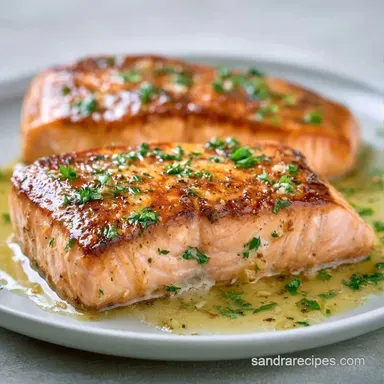
Crispy Garlic Butter Pan Seared Salmon
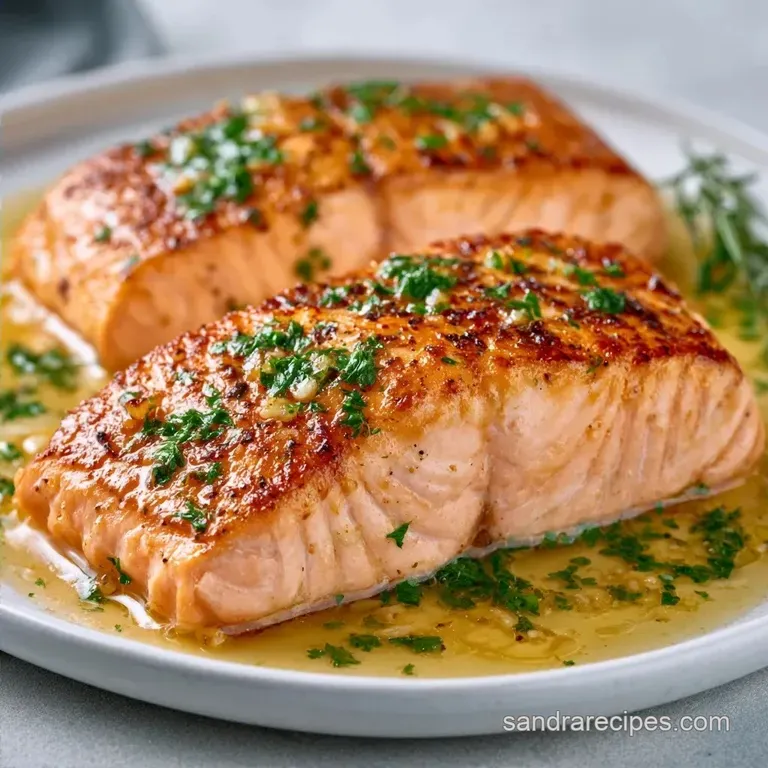
- Time: 5 min active + 10 min cooking
- Flavor/Texture Hook: Crispy, salty skin with a rich garlic butter finish
- Perfect for: A stress free weeknight dinner that feels fancy
Pan Seared Salmon Basics
That loud, aggressive sizzle when the fish hits the hot oil is the best part. I remember visiting a small coastal town in the Pacific Northwest a few years back. The locals there treat salmon almost like a religion, and they taught me that the beauty of the fish is in its simplicity.
They don't mask the flavor with heavy sauces; they just focus on the heat and the salt.
I used to struggle with the skin sticking to the pan or the middle staying raw while the outside burnt. It's a frustrating cycle. But once I realized that moisture is the enemy of a good sear, everything changed. Now, I don't even think twice about it.
This Pan Seared Salmon approach is about reliability. We're using a few basic tools and a high smoke point oil to get that golden crust. You can expect a meal that takes less than 20 minutes from start to finish, leaving you with a hearty, comforting plate that feels like a treat.
Why This Method Works
The Dry Skin Trick: Water creates steam, and steam prevents browning. Patting the fish dry ensures the heat hits the protein directly for a fast crust.
High Smoke Point: Avocado oil can handle the intense heat needed for a sear without burning or tasting bitter.
Butter Basting: Adding butter at the end adds a rich flavor and gently cooks the top of the fillet without overdoing the heat.
| Method | Time | Texture | Best For |
|---|---|---|---|
| Stovetop | 15 mins | Ultra crispy skin | Quick dinners |
| Oven | 20 mins | Evenly tender | Large batches |
| Air Fryer | 12 mins | Uniformly crisp | Hands off cooking |
This stovetop method wins because it gives you total control over the skin. When you can hear the sizzle changing as the water evaporates, you know exactly when to flip.
What Each Ingredient Does
| Ingredient | What It Does | Best Swap |
|---|---|---|
| Avocado Oil | over High heat searing | Grapeseed oil |
| Unsalted Butter | Richness and flavor | Salted butter (reduce salt) |
| Fresh Thyme | Earthy aroma | Fresh rosemary |
| Lemon Juice | Cuts through the fat | Lime juice |
I prefer unsalted butter because it lets me control the seasoning. If you use salted butter, just be a bit more conservative with the kosher salt you sprinkle on the fillets.
Ingredients and Substitutions
For this recipe, you'll need these exact items. Make sure your salmon is at room temperature for about 10 minutes before cooking so it cooks evenly.
- 4 (6 oz) salmon fillets, skin on Why this? Skin protects the meat and adds texture
- 2 tbsp avocado oil Why this? Doesn't smoke at high temperatures
- 1 tsp kosher salt Why this? Coarse grains adhere better to the skin
- 1/2 tsp cracked black pepper Why this? Freshly cracked is more fragrant
- 3 tbsp unsalted butter Why this? Used for the final flavor baste
- 3 cloves garlic, smashed Why this? Smashed cloves infuse oil without burning quickly
- 2 sprigs fresh thyme Why this? Pairs naturally with the richness of salmon
- 1/2 lemon, freshly squeezed juice Why this? Brightens the whole dish
| Original Ingredient | Substitute | Why It Works |
|---|---|---|
| Avocado Oil (2 tbsp) | Grapeseed Oil (2 tbsp) | Similar smoke point. Note: Neutral taste |
| Fresh Thyme (2 sprigs) | Dried Thyme (1/2 tsp) | Similar flavor profile. Note: Less aroma |
| Salmon Fillets (6 oz) | Trout Fillets (6 oz) | Similar fat content. Note: Milder flavor |
| Lemon Juice (1/2 lemon) | White Wine (1 tbsp) | Provides acidity. Note: Adds a sharper tang |
If you're looking for something different, you might try an air fryer glazed salmon for a sweeter profile. But for a pure, salty crust, the pan is the way to go.
Simple Cooking Steps
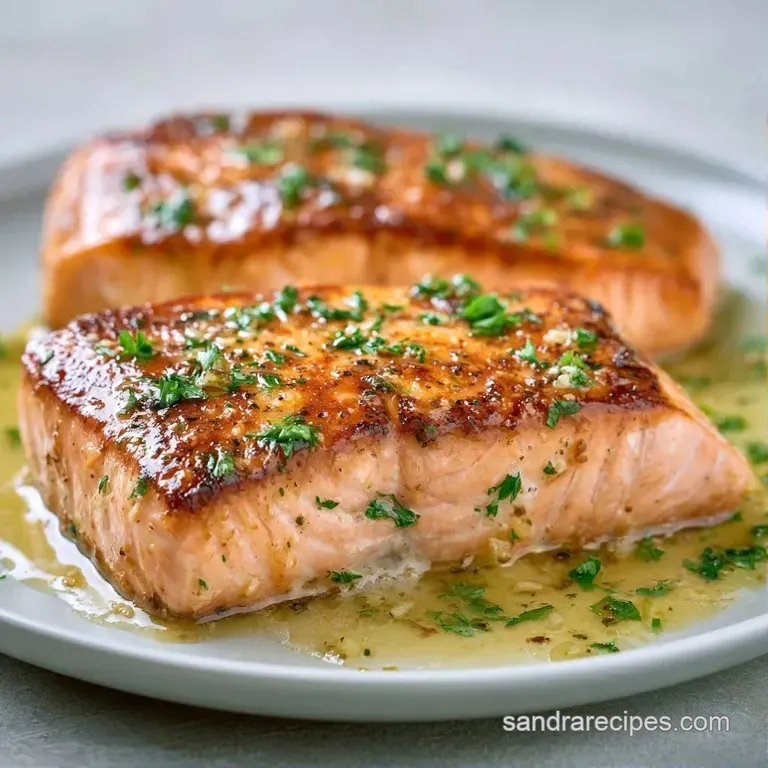
Right then, let's get into the actual cooking. Make sure your pan is fully heated before the fish even touches the counter.
- Pat each salmon fillet thoroughly on all sides with paper towels until the skin is completely dry. Note: This is the most important step for crispy skin
- Season the fillets generously with salt and pepper immediately before cooking. Note: Salt too early can draw out moisture
- Heat avocado oil in a stainless steel or cast iron skillet over medium high heat until it shimmers and just begins to smoke.
- Place salmon skin side down in the pan, pressing firmly with a spatula for 10 seconds to ensure total contact.
- Cook undisturbed for 4-6 minutes until the skin is crispy and naturally releases from the pan.
- Flip the fillets.
- Immediately add the butter, smashed garlic, and thyme to the pan.
- Tilt the pan and spoon the foaming garlic butter over the crispy skin for 1-2 minutes until the fish is just opaque.
- Remove the pan from heat and drizzle the fillets with fresh lemon juice before serving.
Chef Note: If the fish feels "stuck" when you try to flip it, wait another 30 seconds. The salmon will naturally release itself once the crust has formed.
Solving Common Problems
Cooking fish can feel stressful, but most issues come down to temperature. If you're noticing the butter turning brown too fast, your pan might be too hot for the basting phase. You can always pull the pan off the burner for a few seconds to let the heat drop.
For those who prefer a slower approach, a garlic butter salmon might be a more relaxed alternative. But if you're sticking with the sear, watch out for these common hiccups.
The Skin is Sticking
This usually happens because the pan wasn't hot enough or the skin was damp. When the oil isn't shimmering, the fish bonds to the metal instead of searing.
The Salmon is Overcooked
Salmon continues to cook for a few minutes after it leaves the pan. This is called carryover cooking. If you wait until it looks fully done in the pan, it will be dry by the time it hits the plate.
The Butter Burnt
Butter has a lower smoke point than avocado oil. If you add it too early or keep the heat on "high" during the baste, the milk solids will burn and taste acrid.
| Problem | Root Cause | Solution |
|---|---|---|
| Sticking skin | Pan not hot enough | Wait for oil to shimmer before adding fish |
| Rubbery texture | Overcooked | Remove from pan when center is slightly translucent |
| Burnt garlic | Too much heat during baste | Lower heat slightly before adding butter |
Swapping and Twists
Once you've got the Pan Seared Salmon process down, you can start playing with the flavors. I love swapping the thyme for rosemary if I'm serving the fish with roasted potatoes. It gives the whole meal a woody, earthy vibe that works really well.
If you want a bit more zing, try adding a pinch of smoked paprika to your salt and pepper mix. This gives the fish a subtle barbecue undertone without needing a heavy sauce. For those who like heat, a few red pepper flakes added to the butter baste can give the dish a nice kick.
You can also change the fat. While avocado oil is the gold standard for heat, a bit of ghee works brilliantly too. Ghee is clarified butter, meaning the milk solids are gone, so it won't burn as easily as regular butter during the initial sear.
For those who don't have skin on fillets, the process is almost the same. Just sear both sides for about 3-4 minutes each. You won't get that crackling skin, but the garlic butter baste still makes it feel like a luxury meal.
Keeping it Fresh
If you have leftovers, don't throw them away, but be careful with how you reheat them. Salmon can turn into rubber very quickly in a microwave.
Fridge & Freezer Store your Pan Seared Salmon in an airtight container in the fridge for up to 3 days. I don't recommend freezing seared salmon because the texture of the crust changes completely once thawed. It becomes soft and soggy.
The Failure Proof Reheat To keep the texture, avoid the microwave. Instead, place the fillet in a toaster oven or a over low heat oven (about 275°F / 135°C) for 5-8 minutes. This gently warms the fish through without overcooking the center.
Zero Waste Tips Don't toss the lemon ends. Squeeze every last drop into your Pan Seared Salmon butter sauce. If you have leftover garlic butter in the pan, pour it over some steamed asparagus or sautéed spinach for a quick side dish.
Serving and Pairing
This dish is rich, so you need something bright or acidic to balance it out. A simple arugula salad with a lemon vinaigrette is my go to. The peppery greens cut right through the butter.
If you're looking for something heartier, a scoop of quinoa or some wild rice works well. The nuttiness of the rice complements the fatty oils in the fish. I also love serving it with blanched snap peas for a bit of crunch and color on the plate.
When plating, place the fillet skin side up. You want that crispy texture to be the first thing you hit. Drizzle the remaining garlic butter from the pan over the top and add a fresh slice of lemon on the side.
For a real treat, try a side of sautéed kale with a bit of apple cider vinegar. The bitterness of the kale and the sweetness of the salmon create a great contrast. It's a stress free way to put together a meal that looks like it took hours, but actually only took 15 minutes.
Common Salmon Myths
Searing seals in the juices. This is a total myth. Searing doesn't create a waterproof barrier. The moisture loss happens throughout the cooking process. The sear is entirely about flavor and texture, not about "locking" anything in.
Wild salmon is always better than farmed. Not necessarily. While wild salmon has a distinct flavor and different nutrient profile, high-quality farmed salmon often has a more consistent fat content, which actually makes it easier to get a great sear.
You must cook salmon until it's opaque all the way through. Actually, many chefs prefer salmon cooked to medium rare or medium. As long as the fish has reached a safe internal temperature, leaving the center slightly translucent keeps it moist and tender.
Recipe FAQs
How to pan sear salmon for the best results?
Pat the fillets completely dry and sear skin side down over medium high heat. Press firmly with a spatula for 10 seconds to ensure total contact, then cook undisturbed for 4-6 minutes until the skin releases naturally.
Is it better to pan sear salmon in butter or oil?
Start with oil and finish with butter. Avocado oil handles the high heat needed for the initial crust without burning, while butter is added at the end for rich flavor and basting.
How to cook salmon fillets with the skin on?
Place the salmon skin side down in shimmering avocado oil. Cook for 4-6 minutes before flipping and spooning garlic butter over the crispy skin for another 1-2 minutes.
How to make the skin crispy while the meat stays tender?
Dry the skin thoroughly with paper towels before seasoning. This eliminates surface moisture that causes steaming, allowing the skin to crisp up quickly before the interior overcooks.
Is it true that the white albumin on salmon means it is overcooked?
No, this is a common misconception. Albumin is just a protein that pushes to the surface during the cooking process and is completely safe to eat.
How to cook salmon in the oven instead of a pan?
Roast the fillets on a sheet pan at high heat. If you prefer a hands off approach, try an easy salmon tray bake with potatoes.
How to cook salmon for a diabetic diet?
Stick to the provided ingredients in this recipe. Because it uses healthy fats and fresh aromatics without added sugars or thickeners, it is naturally low-glycemic and diabetic friendly.
Crispy Pan Seared Salmon