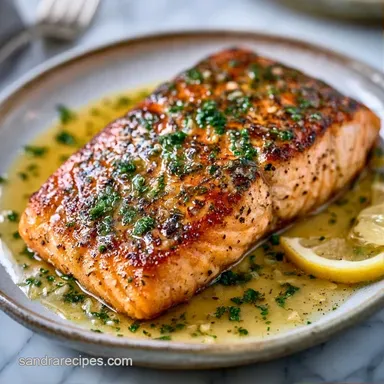
Crispy Pan Seared Salmon with Garlic Butter
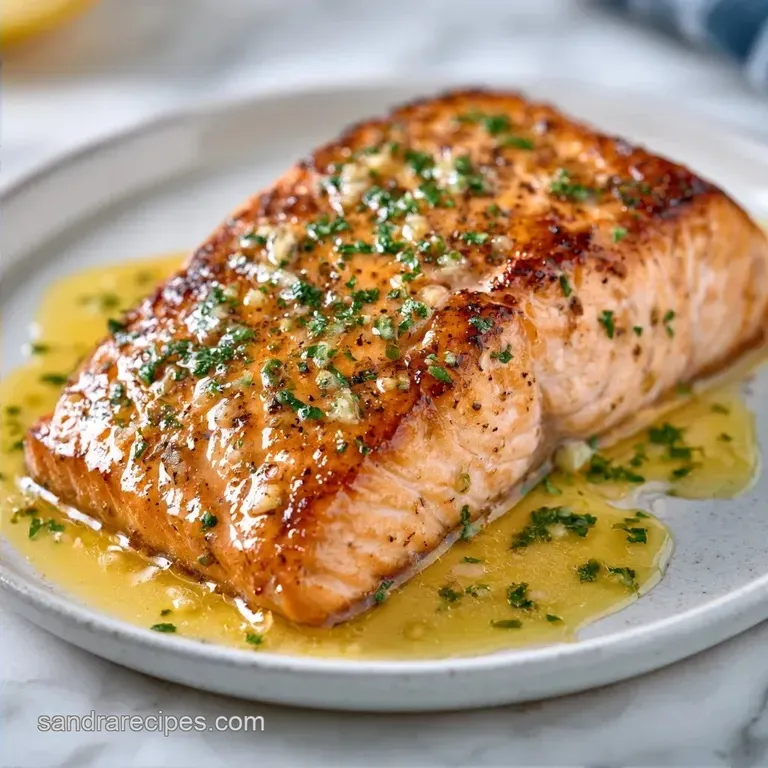
- Time: 5 min active + 10 min cook
- Flavor/Texture Hook: Mahogany crispy skin and buttery, flaky center
- Perfect for: A stress free weeknight dinner that feels fancy
That loud, aggressive sizzle the second the fish hits the oil is the best part. It's the sound of a meal actually working. In coastal towns from the Pacific Northwest to Scandinavia, this way of cooking is a staple because it honors the fish without masking it in heavy sauces.
It's about the purity of the protein and the crunch of the skin.
I used to struggle with the fish sticking to the pan, which usually ended in a shredded mess. Once I realized that moisture is the enemy of a sear, everything changed. This Pan Seared Salmon approach is all about patience for five minutes and then speed for the rest.
You can expect a fillet that's flaky on the inside but has a salty, crackling exterior. We're keeping the tools minimal here just one pan and a spatula so you aren't scrubbing dishes for an hour after you eat.
Why Pan Seared Salmon Often Fails
Most people toss the fillets straight from the fridge into the pan. When the cold fish hits the hot oil, the temperature drops instantly, and the skin steams instead of searing. You end up with a rubbery texture instead of a crunch.
Dry Skin: Paper towels remove surface water, allowing the oil to brown the skin immediately. Heat Control: Waiting for the oil to wisp smoke ensures the protein sears and releases naturally from the metal.
| Method | Time | Texture | Best For |
|---|---|---|---|
| Classic Pan Sear | 15 mins | Ultra crispy skin | Date night |
| Fast Poach | 10 mins | Soft and tender | Meal prep |
| Oven Bake | 20 mins | Evenly cooked | Large crowds |
Essential Ingredient Roles
I don't use fancy seasonings here because the salmon flavor is the star. The garlic and butter added at the end create a rich baste that keeps the fish from drying out.
| Ingredient | What It Does | Best Swap |
|---|---|---|
| Salmon Fillets | Provides the rich, fatty base | Trout (similar fat content) |
| Unsalted Butter | Creates a nutty, browned baste | Ghee (higher smoke point) |
| Neutral Oil | Allows high heat without burning | Avocado oil or Grapeseed oil |
| Lemon Juice | Cuts through the fat with acidity | Lime juice or white wine |
Tools You Actually Need
You don't need a professional kitchen for this. A heavy bottomed stainless steel or cast iron skillet is your best bet. These materials hold heat better than non stick pans, which is what gives you that deep brown crust.
I suggest using a fish spatula if you have one the thin, flexible edge slides under the skin without breaking it. If not, a standard thin spatula works fine. Just avoid the bulky plastic ones that can't get close to the pan surface.
Steps for Crispy Results
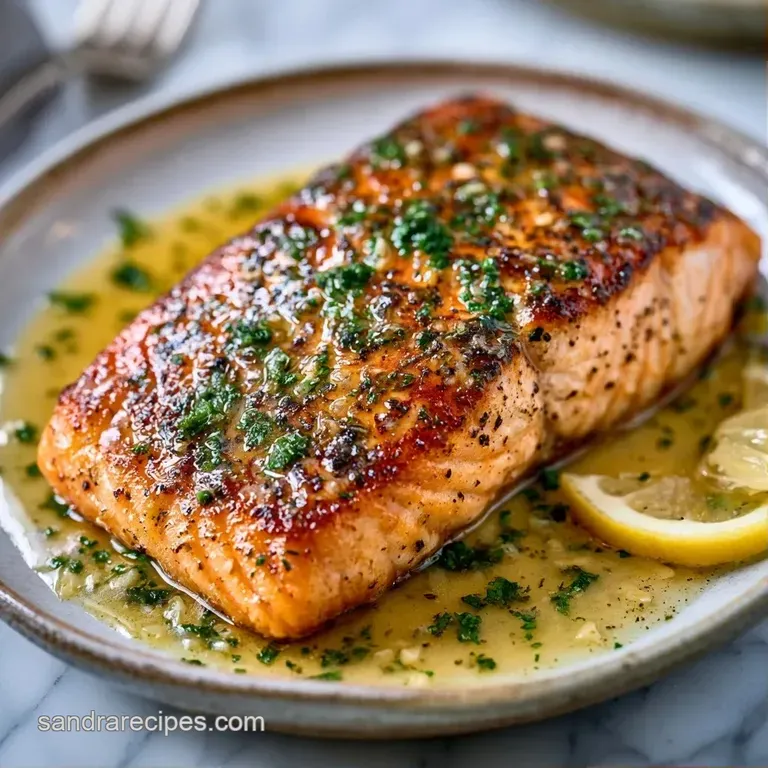
The goal is a mahogany crust and a center that's just barely opaque. Follow these steps to keep it stress free.
- Remove salmon from the refrigerator and let sit at room temperature for 10-15 minutes. Note: This prevents the center from staying raw while the outside burns.
- Press firmly on the skin and flesh side of the fillets with paper towels until completely dry.
- Coat all sides of the salmon with 1 tsp kosher salt and ½ tsp cracked black pepper. Note: Seasoning right before cooking prevents the salt from drawing out moisture.
- Heat 2 tbsp neutral oil in a skillet over medium high heat until it shimmers and wisps smoke.
- Place fillets skin side down and press down lightly with a spatula for 10 seconds. Note: This stops the edges from curling up.
- Cook undisturbed for 4-5 minutes until a mahogany crust forms and the fillets release naturally.
- Flip the fillets gently using your spatula.
- Lower heat to medium and add 3 tbsp butter, 3 smashed garlic cloves, and the thyme or rosemary sprig.
- Baste the salmon with the foaming, silky lemon garlic butter for about 2-3 minutes until the fish is just cooked through.
Avoiding Common Salmon Pitfalls
The most frequent issue is the "stick." If you try to flip the fish and it resists, stop. It's not ready. The fish will naturally release from the pan once the crust is fully formed. If you force it, you'll leave the best part of the Pan Seared Salmon in the pan.
Why Your Skin Is Soggy
This usually happens because of leftover water on the skin or using too little oil. The oil needs to fry the skin, not just coat it. Make sure you use a neutral oil with a high smoke point so it doesn't taste burnt.
Why Your Fish Overcooks
Salmon continues to cook after you take it off the heat. I always pull mine when it's slightly underdone in the center. The carryover heat finishes the job while it rests for a minute on the plate.
| Problem | Root Cause | Solution |
|---|---|---|
| Skin sticks to pan | Flipped too early | Wait for the fish to release naturally |
| Dry, chalky meat | Cooked too long | Use a meat thermometer for 125°F (52°C) |
| Burnt butter | Heat too high during basting | Lower heat to medium before adding butter |
Easy Flavor Twists
If you want to change things up, you can swap the herbs. I love using a pinch of smoked paprika in the salt mix for a deeper, woodsy flavor. Another great move is adding a teaspoon of honey to the butter baste for a sweet and salty finish.
For those who prefer a different texture entirely, you might like a Homemade Baked Salmon which is a bit more hands off. , if you're in a rush and have an air fryer, the Air Fryer Glazed Salmon is a great alternative for a Tuesday night.
Decision Shortcut: If you want maximum crunch, stick to this Pan Seared Salmon method. If you want zero cleanup, go for a tray bake. If you're feeding a crowd, the oven is your friend.
Storage and Waste Tips
Leftover Pan Seared Salmon stays good in the fridge for about 3 days. Store it in an airtight container. To reheat, avoid the microwave, as it makes the fish rubbery. Instead, put it in a pan over low heat for 2 minutes or in a 300°F (150°C) oven until warmed through.
Don't toss the leftover garlic butter from the pan. I pour it over steamed asparagus or toss it with some pasta for a quick side dish. If you have salmon scraps or the tail end, freeze them in a bag to make a fish stock later. According to Serious Eats, using the bones and trim for stock adds a deep, oceanic base to chowders.
Best Side Dish Pairings
This dish is rich, so you need something acidic or fresh to balance the butter. A simple arugula salad with lemon vinaigrette or some charred broccolini works brilliantly. If you want something heartier, a side of fluffy quinoa or roasted fingerling potatoes is the way to go.
If you're planning a full meal, an Easy Salmon Tray Bake with potatoes is a great way to get your veggies and starch done at once. For this specific Pan Seared Salmon recipe, I usually stick to a quick sauté of spinach with a squeeze of fresh lemon.
Trust me, don't overcomplicate the sides. The fish is the star here, so keep the accompaniments light and bright. Right then, get your pan hot and get searing.
Recipe FAQs
How long are you supposed to pan sear salmon?
Cook skin side down for 4 5 minutes, then flip. This timing ensures a mahogany crust forms and the fillets release naturally from the pan.
Is it better to pan sear salmon in butter or oil?
Use neutral oil for the sear and butter for the finish. Oil handles the high heat required for a crisp crust, while butter adds richness during the final basting.
How do you cook salmon on the stovetop?
Sear skin side down in shimmering oil over medium high heat. Press the fillets for 10 seconds to prevent curling, then flip and baste with butter, garlic, and herbs over medium heat.
How to make salmon skin crispy and soft at the same time?
Dry the skin thoroughly with paper towels. Removing surface moisture and letting the fish reach room temperature for 10 15 minutes ensures the skin crisps quickly while the flesh stays soft.
How to cook salmon fillets with skin on them?
Place the fillets skin side down in a hot skillet. Press lightly with a spatula to ensure full contact. For a similarly simple technique, try our salt and pepper salmon.
Should you grill salmon with the skin side down first?
Yes, always start skin side down. This creates a protective barrier that prevents the delicate flesh from sticking to the grill and overcooking.
Can salmon skin lower cholesterol?
Yes, the omega-3 fatty acids in salmon skin can help improve cholesterol levels. These healthy fats are concentrated in the skin and the dark meat just beneath it.
Pan Seared Salmon Fillet