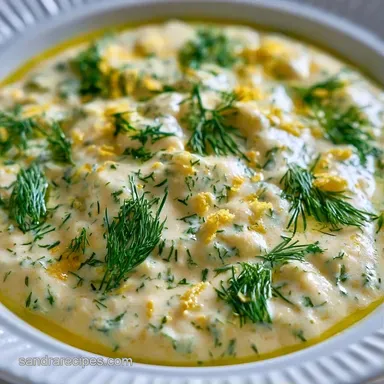
Velvet-Smooth Lemon Dill Salmon Sauce
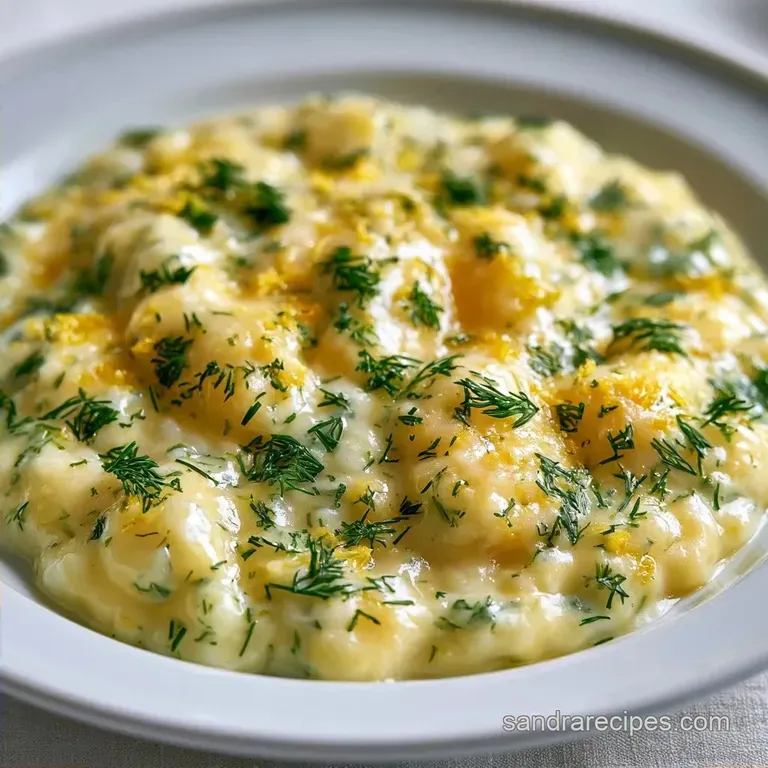
- Time: 5 min active + 5 min cook
- Flavor/Texture Hook: Tangy, bright, and velvety
- Perfect for: Weeknight dinners or a quick guest meal
- Easy Lemon Dill Salmon Sauce
- Why This Sauce Just Works
- What Each Ingredient Does
- Tools You'll Actually Need
- Step by Step Guide
- Fixing Common Sauce Issues
- Troubleshooting Common Issues
- Simple Flavor Variations
- Adjusting the Batch Size
- Kitchen Myths
- Storage and Zero Waste
- Serving Your Salmon Sauce
- Recipe FAQs
- 📝 Recipe Card
Easy Lemon Dill Salmon Sauce
That smell of butter hitting a hot pan, mixed with a squeeze of fresh lemon, is basically the smell of a win in my kitchen. I used to think I needed fancy French techniques to make a sauce that didn't just taste like melted butter, but I realized the real trick is just balancing fat with a bit of tang.
For me, the real hero here is the fresh dill. If you use the dried stuff, it tastes like old hay. Fresh dill has this grassy, bright snap that cuts right through the richness of the fish.
This Lemon Dill Salmon Sauce is my go to because it doesn't require a huge budget or a lot of patience. You can whip it up in ten minutes flat, and it makes a simple piece of fish feel like something you'd actually pay for at a bistro.
Why This Sauce Just Works
Whether you're pairing this with a Homemade Baked Salmon or pan searing your fillets, the chemistry is simple.
Temperature Control: Keeping the heat low when adding yogurt stops the proteins from tightening up and separating.
Acid Balance: The lemon juice breaks down the heaviness of the butter, which keeps the sauce from feeling greasy on your tongue.
The Herb Fold: Adding dill at the very end preserves the volatile oils that give the herb its fresh, citrusy scent.
| Method | Time | Texture | Best For |
|---|---|---|---|
| Stovetop | 10 min | Warm & Cohesive | Hot fillets, winter meals |
| Cold Mix | 5 min | Fresh & Zesty | Cold poached salmon, salads |
| Oven Baked | 15 min | Reduced & Thick | Casseroles, slow roasting |
What Each Ingredient Does
I'm a big believer in using what you have, but some things really do the heavy lifting here.
| Ingredient | What It Does | Best Swap |
|---|---|---|
| Greek Yogurt | Adds body and tang | Sour cream (richer, less tart) |
| Fresh Dill | Provides the signature "green" flavor | Fresh parsley (milder taste) |
| Lemon Zest | Concentrated citrus aroma | Lime zest (more tropical) |
| Unsalted Butter | Creates a smooth, rich base | Ghee or vegan butter |
Tools You'll Actually Need
You don't need a professional kit for this. A small saucepan is the main event. I prefer one with a rounded bottom so my whisk can reach every edge.
A whisk is better than a spoon here. It breaks up the yogurt clumps faster, which means you spend less time over the heat. If you don't have one, a fork works in a pinch, but it's a bit more arm work.
Finally, a microplane or a fine grater for the lemon zest. You only want the yellow part, not the white pith, because the pith is bitter and will ruin the vibe of the sauce.
Step by step Guide
Right then, let's get this moving. Make sure your fish is almost done before you start this, as it's best served warm.
- Place a small saucepan over medium low heat.
- Melt 4 tbsp unsalted butter and 1 tbsp olive oil together until the butter is foamy.
- Stir in 2 cloves of minced garlic and 1 tsp lemon zest.
- Sauté for 60-90 seconds until the garlic is translucent and smells fragrant.
- Turn the heat down to low. Note: This prevents the yogurt from curdling.
- Slowly whisk in 2 tbsp fresh lemon juice.
- Add 1/4 cup Greek yogurt, whisking in a circular motion for 1-2 minutes until the sauce is thickened and.
- Remove the pan from the heat immediately.
- Stir in 1/4 cup finely chopped fresh dill.
- Mix in 1/2 tsp sea salt and 1/4 tsp cracked black pepper.
Fixing Common Sauce Issues
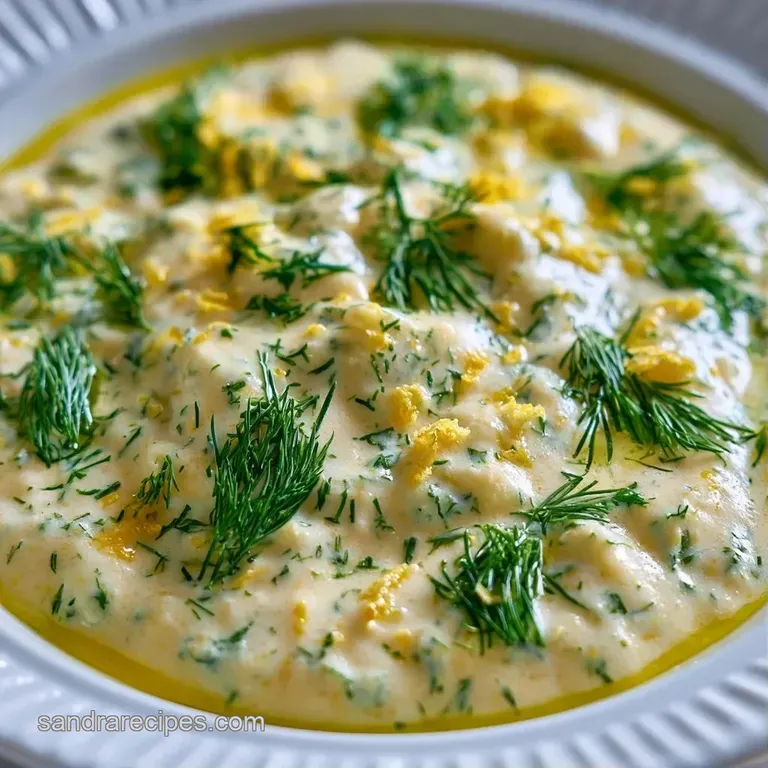
Even the simplest recipes can go sideways if the heat is too high or the ingredients aren't fresh.
Troubleshooting Common Issues
| Issue | Solution |
|---|---|
| Why Your Sauce Separates | If you see little beads of oil floating on top, it's usually because the sauce got too hot. Yogurt isn't as stable as heavy cream. |
| Why Your Sauce Is Too Tart | Sometimes lemons are just more acidic than others. If it's making you pucker, stir in a tiny pinch of sugar or an extra knob of butter to mellow it out. |
| Why Your Sauce Is Lumpy | This happens if the yogurt was ice cold when it hit the pan. Next time, let the yogurt sit on the counter for 10 minutes first. |
Simple Flavor Variations
I love this base because you can tweak it depending on what's in your fridge. If you want something a bit more like a Clean Eating Salmon, you can swap the butter for more olive oil and use a non fat Greek yogurt.
For a bit more punch, try adding a teaspoon of Dijon mustard during the garlic sauté step. It adds a sharp, nasal heat that plays really well with the dill.
If you're feeling fancy, a pinch of smoked paprika stirred in at the end gives the sauce a woody, campfire note that's great if you've grilled your salmon.
Adjusting the Batch Size
Making this for a crowd or just for yourself? It's easy to scale, but don't just multiply everything blindly.
Cutting it in half: Use 2 tbsp butter and 1 clove of garlic. I find that if you halve the recipe, you only need about 1.5 tbsp of lemon juice, as the acidity can become overwhelming in smaller volumes.
Doubling or Tripling: Go ahead and double the butter and yogurt, but only increase the salt and pepper to 1.5x the original amount. Taste it first, then add more. Spices don't always scale linearly, and it's way easier to add salt than to take it away.
Kitchen Myths
I've heard a few things about making sauces that just aren't true. Let's clear them up.
One big one is that you have to cook the herbs to get the flavor into the sauce. With dill, that's actually a mistake. High heat kills the fresh, citrusy notes and leaves you with a dull, brownish sauce. Always fold in the dill at the end.
Another myth is that you can't use yogurt in a hot sauce because it always separates. As long as you keep the heat on low and whisk constantly, yogurt stays perfectly smooth. It's a great, budget friendly alternative to expensive cream.
Storage and Zero Waste
If you have leftover sauce, put it in a glass jar and keep it in the fridge for up to 3 days. It will thicken up as it cools, so just give it a stir and a splash of water or lemon juice to loosen it up before reheating. I don't recommend freezing this sauce, as the yogurt will break and get grainy.
For zero waste, don't toss those lemon peels. After you zest and juice the lemon, put the scraps in a freezer bag. When the bag is full, simmer them with water and sugar to make a simple syrup for drinks.
Also, if you have a few dill stems left over, throw them into your next pot of boiling potatoes or rice. They add a subtle herbal note that's lovely.
Serving Your Salmon Sauce
To get the best results, I suggest spooning the sauce over the fish right before it hits the table. If you pour it on too early, the heat from the fish can thin the sauce out too much.
For a visual pop, save a tiny sprig of fresh dill and a thin slice of lemon to place on top of the sauce. It sounds simple, but it makes the plate look like it came from a restaurant.
If you're serving this with a side of asparagus or sautéed spinach, remember that this sauce is great as a vegetable topping too. Just drizzle a bit extra over the greens for a cohesive meal.
Recipe FAQs
How do you make lemon dill sauce for salmon?
Sauté garlic and zest in butter and oil, then whisk in lemon juice and Greek yogurt over low heat. Stir in the fresh dill, salt, and pepper after removing the pan from the heat to keep the herbs bright.
How do you make a creamy dill sauce for salmon without heavy cream?
Whisk Greek yogurt into a lemon garlic butter base. This provides a thick, velvety texture and a slight tang that complements the richness of the fish perfectly.
What is the best simple salmon recipe to pair with this sauce?
A quick pan-seared fillet or baked salmon works best. For a fast weeknight option, this sauce pairs perfectly with air fryer salmon to save on cleanup.
Is it true that this sauce can be frozen for later use?
No, this is a common misconception. Freezing causes the Greek yogurt to break and separate, which leaves the sauce with a grainy texture once thawed.
What is the secret to preventing the sauce from curdling?
Keep the heat on low when adding the yogurt. Yogurt is less stable than cream, so whisking it in slowly over low heat ensures the emulsion stays smooth.
How do you fix a lemon dill sauce that is too tart?
Stir in an extra knob of butter. The additional fat helps mellow out the acidity of the lemon juice and balances the overall flavor.
How long does leftover lemon dill sauce last in the fridge?
Store it in a glass jar for up to 3 days. The sauce will thicken as it cools, so just stir in a splash of water or lemon juice to loosen it up before reheating.
Lemon Dill Salmon Sauce