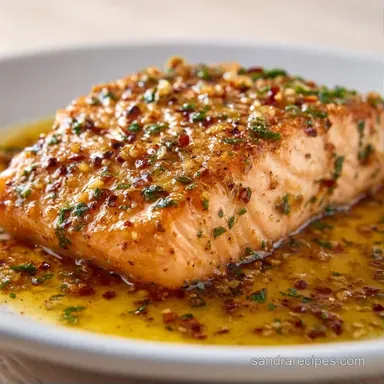
Best Ever Baked Salmon: Moist and Flaky
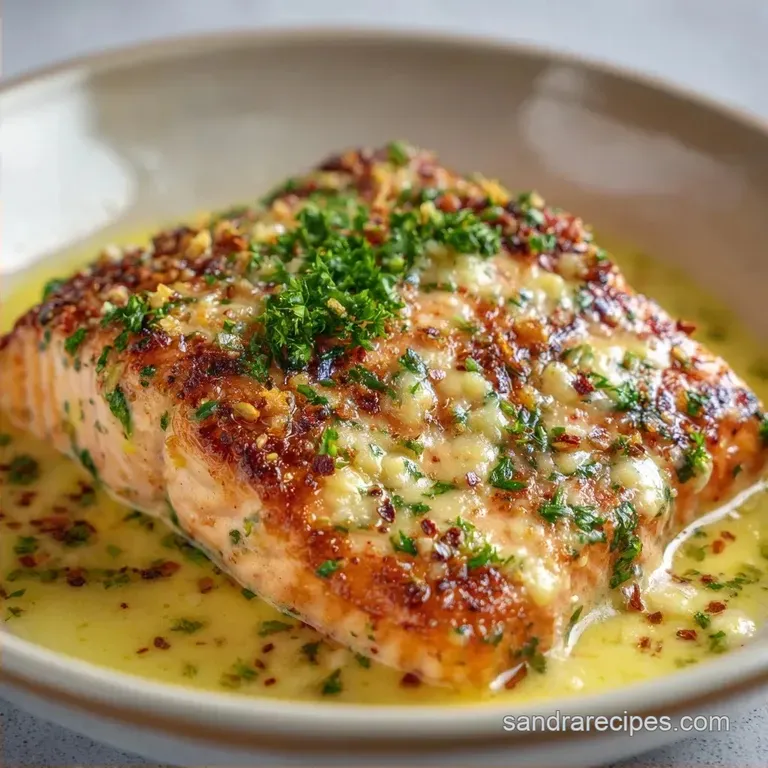
- Time: 10 min active + 15 min cooking
- Flavor/Texture Hook: Velvety butter glaze with a citrusy pop
- Perfect for: Stress free weeknight dinners or a quick date night
That sound of a sizzling pan is great, but there's something about the quiet, steady roast of a fillet in the oven that just hits different. I used to struggle with salmon. I'd pull it out when it looked "done," only to find it had the texture of a rubber eraser.
Or worse, I'd see that weird white protein leak all over the top, making the whole thing look like it had a skin condition.
It's a frustrating cycle. You buy an expensive piece of fish, follow a random timer, and end up with something dry. The trick isn't in the fancy equipment, but in how you handle the moisture and the heat. Once I stopped guessing and started using a thermometer, everything changed.
This approach is the fix for all those rubbery mishaps. We're focusing on a over high heat blast that seals the outside while keeping the center tender. This is the Best Ever Baked Salmon because it removes the guesswork and relies on a few reliable tricks to guarantee a velvety result.
Best Ever Baked Salmon
Right then, let's get into why this actually works. Most people just throw salmon in the oven and hope for the best, but there are a few things happening under the surface that we can control.
Surface Moisture: Water on the fish turns to steam, which prevents browning. Patting it bone dry ensures the butter glazes and sizzles instead of boiling.
Fat Barrier: The butter and oil create a protective layer. This stops the dry oven air from sucking the moisture out of the protein fibers.
Carryover Heat: Meat keeps cooking after it leaves the heat. Pulling the fish early prevents it from overshooting the target temperature.
Citrus Shield: The lemon slices aren't just for looks. They act as a physical barrier, steaming the top of the fillet and keeping the flesh succulent.
| Method | Time | Texture | Best For |
|---|---|---|---|
| Fast Roast | 15 mins | Firm, seared edges | Quick weeknights |
| Slow Bake | 30 mins | Extremely soft, uniform | Large crowds |
Component Analysis
| Ingredient | Science Role | Pro Secret |
|---|---|---|
| Salmon Fillet | Main Protein | Keep it skin on to prevent sticking |
| Unsalted Butter | Heat Conductor | Use melted butter for a more even glaze |
| Lemon Slices | Acidity/Moisture | Press them in to infuse the flesh |
| Garlic | Aromatic Base | Mince fine so it doesn't burn at 400°F |
Gathering Your Essentials
For this to work, you need a quality fillet. I usually go for center cut pieces because they have a consistent thickness, which means they all finish cooking at the same time. If you have a mix of thin and thick pieces, the thin ones will dry out while the thick ones are still raw.
You'll need 1.5 lbs of Baked Salmon Fillet. If you're buying frozen, make sure it's thawed completely in the fridge overnight. Trying to bake partially frozen fish is a recipe for uneven cooking and a soggy mess.
For the flavor, we're keeping it classic but punchy. You'll need 3 tbsp of melted unsalted butter, 3 minced garlic cloves, 1 tsp salt, ½ tsp black pepper, and ½ tsp paprika. The paprika doesn't add a huge amount of heat, but it gives the fish a beautiful golden hue.
Don't forget a large lemon, sliced into rounds, 2 tbsp of fresh chopped parsley, and 1 tbsp of olive oil. Trust me on the olive oil, it's the secret to making sure the parchment paper doesn't let the fish stick.
| Original Ingredient | Substitute | Why It Works |
|---|---|---|
| Unsalted Butter | Ghee (3 tbsp) | Similar fat profile. Note: Higher smoke point, better for high heat |
| Salmon Fillet | Steelhead Trout (1.5 lbs) | Very similar texture and fat content. Note: Slightly milder flavor |
| Fresh Parsley | Fresh Dill (2 tbsp) | Classic pairing. Note: Adds a more "herby" and traditional profile |
| Garlic Cloves | Garlic Powder (1 tsp) | Provides the same base flavor. Note: Less depth than fresh garlic |
It's worth mentioning that the quality of your butter matters. I prefer a high fat European style butter if I have it, but any standard unsalted butter does the job. Just avoid the salted kind so you can control the seasoning yourself.
Equipment Needed
You don't need a fancy kitchen to pull this off. A standard baking sheet and a roll of parchment paper are your best friends here. I honestly hate scrubbing pans, so the parchment is a non negotiable for me. It creates a clean release and makes cleanup a breeze.
A small bowl for mixing the glaze and a pastry brush are helpful. If you don't have a brush, a spoon works just fine, though it's a bit messier. The most critical tool, however, is a digital meat thermometer. Without one, you're just guessing, and guessing is how you end up with dry fish.
I've found that using a rimmed baking sheet prevents any butter from dripping onto the oven floor, which avoids that burnt oil smell filling your house. Keep it simple and reliable.
Key Steps
Let's crack on with the actual cooking. Follow these steps closely to ensure your Best Ever Baked Salmon comes out just right.
- Preheat oven to 400°F (200°C). Line a baking sheet with parchment paper and lightly grease with olive oil. Note: The oil prevents the parchment from sticking to the pan.
- Pat the salmon fillets completely dry with paper towels. until the surface feels tacky, not wetNote: This is the most important step for a roasted finish.
- In a small bowl, whisk together melted butter, minced garlic, salt, pepper, and paprika.
- Brush the butter mixture generously over the top and sides of the salmon fillets.
- Arrange lemon slices across the top of each fillet, pressing them slightly into the glaze.
- Bake on the center rack for 12–15 minutes until the internal temperature reaches 135°F (57°C).
- Remove from oven and let the salmon rest for 5 minutes to reach a final internal temperature of 145°F (63°C).
- Garnish with chopped fresh parsley before serving.
Chef Note: If you're using very thick fillets (over 1.5 inches), you might need an extra 2-3 minutes. Always trust the thermometer over the clock.
Fix Common Problems
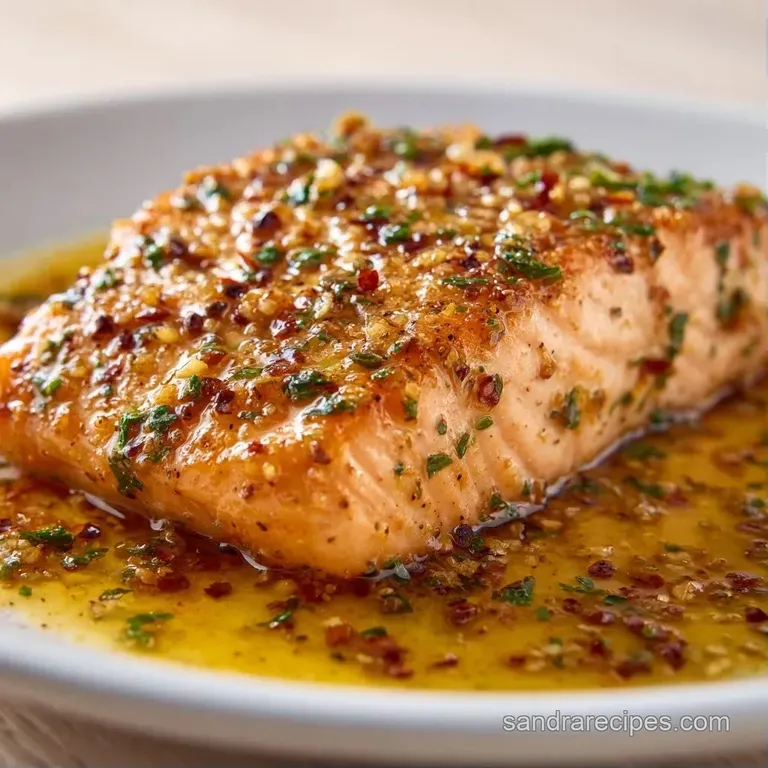
The biggest issue most people face is the "white stuff" appearing on the surface. This is called albumin, and it's just protein that's been pushed out of the muscle fibers because the fish cooked too fast or too hot. While it's safe to eat, it doesn't look great.
Another common gripe is the edges curling or drying out. This usually happens when the oven is too hot or the fillet is too thin. By pulling the fish at 135°F, we use the resting period to let the heat equalize, preventing those scorched edges.
If you're worried about safety, the FDA recommends cooking salmon to 145°F. However, at this temperature, you run the risk of dry, overcooked fish. For a more tender result, pull it at 135°F and let the carryover heat do the rest.
Why Your Salmon Is Dry
This usually happens because of overcooking or using frozen fillets that weren't thawed properly. When the proteins tighten too much, they squeeze out all the moisture.
| Problem | Root Cause | Solution |
|---|---|---|
| Rubbery Texture | Overcooked past 145°F | Pull from oven at 135°F |
| White Goo (Albumin) | Cooking temperature too high | Lower heat or cook slower |
| Sticking to Pan | Lack of oil/parchment | Use parchment and grease it well |
Quick Check for Success
- ✓ Fillets were patted dry with paper towels
- ✓ Used a digital thermometer to check the center
- ✓ Allowed 5 minutes of resting time
- ✓ Fillets were all similar in thickness
- ✓ Oven was fully preheated before the fish went in
Dietary Adaptations
If you're avoiding dairy, this recipe is still very flexible. You can swap the melted butter for melted coconut oil or a neutral oil like avocado oil. You'll lose a bit of that creamy, nutty flavor, but the garlic and lemon will still carry the dish.
For those watching their salt intake, you can omit the added salt and increase the amount of lemon juice and fresh parsley. The acidity of the lemon mimics the "brightness" of salt without the sodium.
If you're looking for something even more indulgent, you might enjoy my Marry Me Salmon recipe, which uses a creamy sun dried tomato sauce. But for a clean, reliable roast, the Best Ever Baked Salmon is the way to go.
Decision Shortcut
- If you want a deeper char: Broil for the last 2 minutes.
- If you want a softer texture: Pull at 130°F and rest longer.
- If you're in a rush: Use thinner fillets and reduce bake time to 10 mins.
Adjusting the Batch Size
When you're cooking for more people, don't just double the time. That's a one way ticket to dry fish. If you're scaling up to 3 lbs or more, use two separate baking sheets. If you crowd the pan, the fillets will steam instead of roast, and you'll lose that lovely golden crust.
For a smaller batch (like just one fillet), reduce the cooking time by about 20%. Since there's less mass in the oven, the heat penetrates the fish faster. I usually start checking the temperature at the 8 minute mark for a single fillet.
If you find this version a bit too rich, you can try a Simple Roasted Salmon approach by reducing the butter and increasing the olive oil. It's a lighter take on the same basic method.
| Batch Size | Pan Setup | Temp Adjustment | Time Change |
|---|---|---|---|
| 1 Fillet | Small sheet | No change | Reduce by 2-3 mins |
| 4 Fillets | Large sheet | No change | Standard time |
| 8 Fillets | 2 Large sheets | No change | Standard time (per pan) |
Truth About Salmon Cooking
Searing salmon in a pan does not "seal in the juices." This is a total myth. Moisture loss happens regardless of whether you sear it or bake it. The sear is all about flavor and texture, not about locking in liquid.
Another misconception is that you must cook salmon until it flakes easily with a fork. By the time it flakes effortlessly, it's often already overcooked. The only reliable way to tell if the Best Ever Baked Salmon is done is with a thermometer.
Finally,, some people think the skin is just for protection and should be removed. Keep it on! The skin acts as an insulator for the flesh and provides a great texture contrast once it's roasted.
Storage Guidelines
Once you've finished your meal, store any leftovers in an airtight container in the fridge for up to 3 days. I recommend letting the fish cool slightly before sealing it to prevent excess condensation from making the fish soggy.
For the freezer, wrap the cooked fillets tightly in foil and then place them in a freezer bag. They'll stay good for about 2 months. However, salmon doesn't always freeze and thaw as beautifully as other proteins, so eat it fresh if you can.
To avoid waste, don't throw away the lemon rinds or the leftover parsley stems. You can toss the lemon rinds into a garbage disposal to freshen it up, or freeze the parsley stems to add to a homemade vegetable stock for a hit of herbal flavor.
Reheating for Texture
To reheat without drying the fish out, avoid the microwave. Instead, place the fillet in a 275°F (135°C) oven for 10-15 minutes. Add a tiny splash of water or a pat of butter on top to re hydrate the protein.
Presentation Tips
To make this look like it came from a bistro, focus on the contrast of colors. The golden orange of the salmon against the bright green of the parsley is a winning combo. I like to slice the fillets into thick portions and fan them out on a white platter.
Place the roasted lemon slices right back on top of the fish. They've caramelized in the oven and look beautiful. A final squeeze of fresh lemon juice right before serving adds a glossy sheen to the fish and wakes up all the flavors.
If you're serving this for a dinner party, pair it with some steamed asparagus or a light quinoa salad. The richness of the butter glaze needs something bright and crisp to balance the plate. It's a stress free way to make a meal that looks and tastes high end.
Recipe FAQs
How to get the perfect roasted finish on oven baked salmon?
Pat the fillets completely dry with paper towels before seasoning. This prevents the fish from steaming and ensures the butter glaze sears properly at 400°F.
Is 425°F better than 400°F for these fillets?
No, this is a common misconception. 400°F provides the ideal balance to cook the salmon through without drying out the exterior.
How to tell when the salmon is perfectly cooked?
Use a meat thermometer to reach an internal temperature of 135°F (57°C). Let the fish rest for 5 minutes to carry over to the food safe final temperature of 145°F (63°C).
Can I make this salmon recipe without lemon?
Yes, the garlic and paprika glaze provides plenty of flavor on its own. Simply omit the lemon slices before placing the fillets in the oven.
How to store and reheat leftover baked salmon?
Store in an airtight container in the fridge for up to 3 days. Cool the fillets slightly before sealing to prevent condensation from making the fish soggy.
Can I use frozen fillets for this recipe?
Yes, but thaw them completely first. Ensure they are patted dry to maintain the roasting technique used in our quick salmon version.
What is the easiest way to prepare this for a quick meal?
Brush the melted butter mixture on and bake for 12-15 minutes. With only 10 minutes of prep, it's one of the fastest ways to prepare a high-quality protein.
Best Ever Baked Salmon