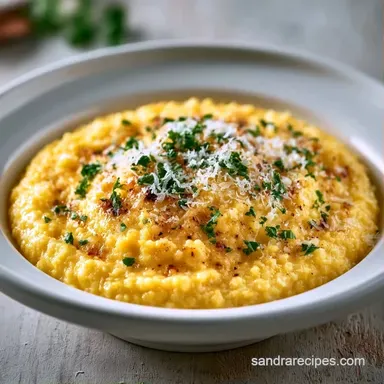
Pastina Recipe with Egg in 15 Minutes
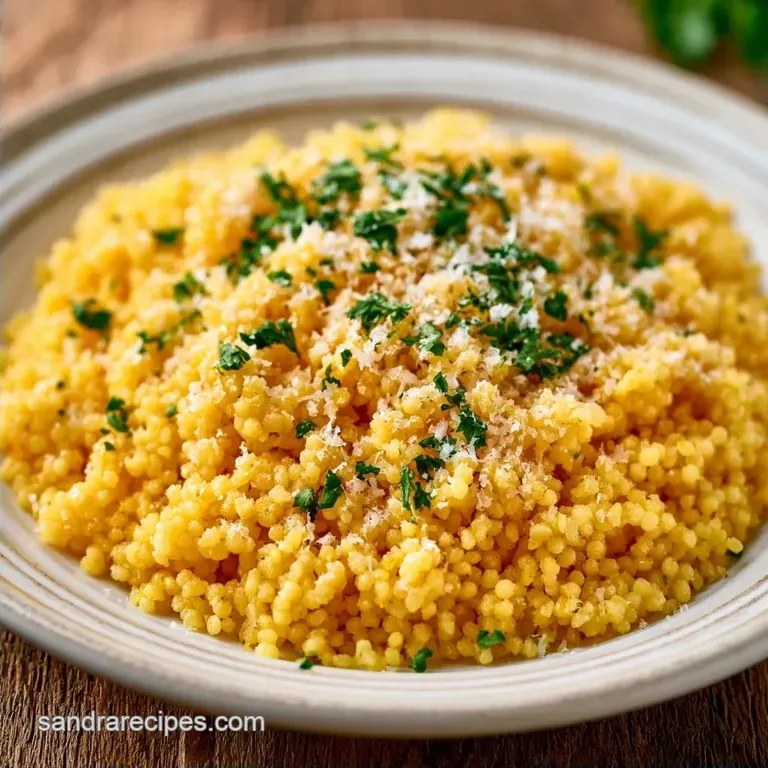
- Prep: 5 min active + 10 min cook
- Taste & Texture: Velvety, salty, and rich
- Best for: Gloomy rainy nights or a fast, soothing lunch
For many, the sound of tiny pasta raindrops hitting boiling water is the ultimate nostalgia. In Italy, it's famously known as "Italian penicillin," the go-to remedy a grandmother makes for a cold. It's less about the nutrients and more about the feeling of safety and warmth that comes with a bowl of stelline or grains.
I grew up eating a soupier version, but I’ve found that thickening it into a creamy porridge makes it far more satisfying. This Pastina Recipe with Egg transforms basic pantry staples into something that feels sophisticated despite the minimal effort. It's the perfect meal for curling up in a blanket.
Expect a dish that is decadent and salty, with a refreshing pop of lemon. The Pastina Recipe with Egg relies on a simple emulsion of cheese, butter, and egg for its thick consistency. Trust me, once you try the tempered egg method, you'll never go back to the watery style.
Pastina Recipe with Egg for Cold Days
The Tempering Technique: Stirring a splash of hot pasta water into the eggs gradually warms them up. This prevents the eggs from curdling when they are added to the pot.
The Starch Effect: Cooking the pasta directly in the broth releases natural starches into the liquid. This acts as a built-in thickener, ensuring the sauce coats every single grain.
| Feature | Fresh Broth Method | Shortcut Bouillon Method |
|---|---|---|
| Depth | Rich, layered flavor | Salt forward, simple |
| Prep Time | 5-10 minutes | 2 minutes |
| Result | Hearty and complex | Light and quick |
Now, let's dive into the ingredients. Starting with a premium chicken broth is a game-changer, as it builds the foundation for all the flavor. For a heartier alternative, you might enjoy this chicken pastina soup for a comforting, brothier meal.
The Must Have Ingredients
For the pasta base, use Acini di Pepe or Stelline. These tiny shapes are meant to be eaten with a spoon, making them the heart of this Pastina Recipe with Egg. The chicken broth provides the savory foundation, while the butter adds a glossy finish.
For the egg emulsion, room temperature eggs are a must. Cold eggs can shock the sauce and make it split. The Parmesan adds the necessary salt and "funk," while the lemon juice cuts through the richness so the dish doesn't feel too heavy.
Substitution Guide
| Original Ingredient | Substitute | Why It Works |
|---|---|---|
| Chicken Broth (2 cups) | Vegetable Broth (2 cups) | Similar salt profile. Note: Lacks the depth of chicken |
| Parmesan Cheese (1/4 cup) | Pecorino Romano (1/4 cup) | Both are hard cheeses. Note: Pecorino is saltier and sharper |
| Unsalted Butter (2 tbsp) | Olive Oil (1.5 tbsp) | Adds fat and gloss. Note: Lacks the creamy milk solids of butter |
| Pastina (1 cup) | Orzo (1 cup) | Similar small shape. Note: Requires slightly more liquid |
I usually keep a bag of frozen peas or a handful of spinach nearby to stir in at the end. It doesn't change the process, but it adds a pop of color.
Quick Recipe Specs
- Prep time: 5 minutes
- Cook time: 10 minutes
- Total time: 15 minutes
- Yield: 2 servings
- Equipment: Small saucepan, mixing bowl, whisk
Basic Tools Needed
No special gear is required for this recipe. A small saucepan is ideal because it prevents the liquid from evaporating too quickly, and a medium mixing bowl is perfect for preparing the eggs.
I suggest using a balloon whisk for the egg mixture to incorporate air and ensure the cheese is thoroughly blended before it hits the pasta. While a fork can work in a pinch, you will have to spend more effort whisking to remove any clumps.
Cooking Steps to Follow
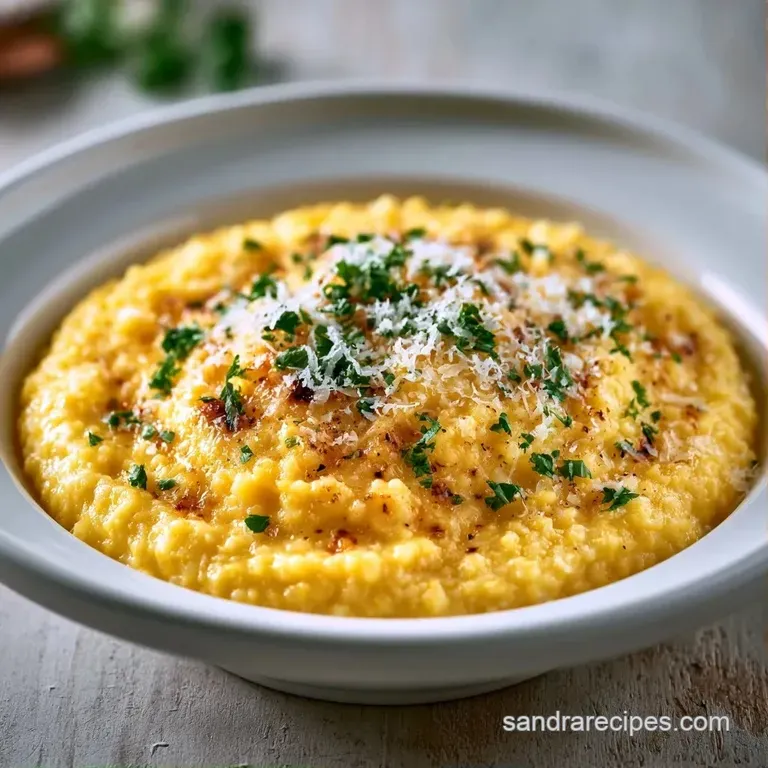
Phase 1: Simmering the Pastina
- Combine the chicken broth and salt in a small saucepan over medium high heat. Bring to a rolling boil.
- Stir in the pastina and reduce heat to medium low. Note: This prevents the pasta from boiling over.
- Simmer, stirring frequently, 6-8 minutes until the pasta is tender and most liquid is absorbed.
Phase 2: Preparing the Egg Mixture
- Crack the egg into a medium mixing bowl.
- Whisk in the grated Parmesan cheese and black pepper until a thick paste forms.
- Add 1 tablespoon of hot pasta liquid to the egg mixture and whisk vigorously for 10 seconds. Repeat 2-3 times. Note: This is the tempering process that prevents scrambling.
Phase 3: Creating the Finish
- Turn off the heat completely. Stir in the butter until it is melted and glossy.
- Pour the tempered egg mixture into the saucepan.
- Stir rapidly and constantly 1-2 minutes until the sauce is creamy and thick.
- Stir in the lemon juice right before serving.
Fixing Common Texture Issues
If you end up with clumps of egg, it usually means the pan was still too hot when the egg went in. While it's still tasty, the texture is more like egg drop soup than a creamy sauce. Serious Eats' testing on emulsions shows that maintaining a temperature below boiling is the only way to keep eggs smooth.
Another common issue is the pasta absorbing all the liquid too fast. This happens if your heat is too high during the simmer. If it looks like a dry brick, just splash in a bit more broth or water before adding the egg.
Eggs turned into clumps
This happens when the egg proteins overcook. You can try whisking in a teaspoon of warm cream or broth off the heat to smooth it out.
Pasta is too dry
The liquid evaporated too quickly. Stir in a tablespoon of broth or water to loosen the grains.
Sauce feels grainy
The cheese didn't incorporate or the egg curdled. Stirring more vigorously off the heat often helps.
| Problem | Root Cause | Solution |
|---|---|---|
| Scrambled Eggs | Pan was too hot | Remove from heat fully before adding eggs |
| Dry Pasta | High heat evaporation | Add 1-2 tbsp broth |
| Grainy Sauce | Cold egg or cheese clumps | Temper eggs properly and whisk cheese well |
I've found that using a timer for the 6-8 minute simmer is helpful. It's easy to get distracted and suddenly you have a pot of pasta glue.
Storage and Leftover Tips
This dish is best eaten the second it's done. However, if you have leftovers, stash them in a sealed jar in the refrigerator for up to 2 days. The pasta will soak up all the remaining sauce, so it will be very thick when cold.
When you're ready to eat it again, don't microwave it on high. Instead, heat it on the stove over low heat with a splash of milk or broth. This helps bring back the creamy texture. For more ideas on creamy variations, you can try this creamy pastina recipe.
As for zero waste, if you have leftover Parmesan rinds, don't toss them. Throw them into your next pot of broth to add a deep, salty flavor to the base of your next Pastina Recipe with Egg.
Serving Your Bowl
I like to serve this in a wide, shallow bowl. This lets the pasta spread out so it cools down faster, meaning you don't burn your tongue on the first bite. A little extra cracked black pepper on top adds a nice bite.
For a more filling meal, serve it with a side of crusty sourdough toast rubbed with a garlic clove. The crunch of the toast balances the softness of the pasta perfectly.
| Goal | What to change |
|---|---|
| Lighter meal | Use 1 egg yolk instead of a whole egg |
| More zest | Double the lemon juice |
| Richer flavor | Add a pinch of nutmeg to the cheese |
Easy Dietary Swaps
If you're making this for a baby, skip the salt and black pepper. You can use a low sodium baby broth or just water. The egg and cheese provide plenty of flavor for little ones, and the tiny shape of the pasta is easy for them to manage.
For a vegetarian version, simply swap the chicken broth for a high-quality vegetable stock. To keep the heartiness, you can add a teaspoon of nutritional yeast along with the Parmesan.
If you only want to use egg yolks, the sauce will be even richer and more yellow. Just use two yolks instead of one whole egg. This creates a denser, more custard like consistency that's wonderful in the winter.
Common Misconceptions
Myth: You need a double boiler to prevent the eggs from scrambling. Truth: You don't. Simply turning off the heat and stirring rapidly is enough to cook the egg gently using residual heat.
Myth: Adding egg makes the dish taste like breakfast. Truth: The combination of chicken broth and Parmesan transforms the egg into a savory sauce. It tastes more like a carbonara than an omelet.
Myth: Any small pasta works. Truth: While you can use others, larger shapes like macaroni won't create the same porridge like consistency. Stick to Acini di Pepe or Stelline for the right feel.
According to USDA guidance, ensure any broth used is heated to a boil to maintain safety standards. This Pastina Recipe with Egg is a reliable, stress free way to get a hearty meal on the table when you're feeling drained. It's simple, honest food that does exactly what it's supposed to do.
Recipe FAQs
Can you put an egg in pastina?
Yes, adding an egg creates a rich, custard-like sauce.
Tip: use a room temperature egg for better emulsification.
What is the ratio of pastina to chicken broth?
Use one cup of pastina for every two cups of chicken broth.
Tip: stir frequently to prevent the small pasta from sticking to the bottom.
Is it true that adding an egg makes the dish taste like breakfast?
This one's false: the Parmesan and black pepper shift the flavor profile toward a savory carbonara style.
Tip: add extra black pepper to lean into that savory taste.
Could this be made without an egg?
You can omit the egg, but you will lose the signature creaminess.
Tip: if you enjoyed achieving this creamy texture, see how the same emulsification principle works in our garlic cream sauce.
How to prevent the eggs from scrambling?
Temper the egg mixture by whisking in one tablespoon of hot pasta liquid several times.
Tip: turn off the heat completely before stirring in the egg mixture.
Why does the recipe include lemon juice?
The acid cuts through the richness of the butter and egg.
Tip: stir it in at the very end to keep the flavor bright.
Which type of pasta works best here?
Small shapes like Acini di Pepe or Stelline are ideal for this consistency.
Tip: ensure the pasta is fully tender before adding the egg mixture.
Pastina Recipe with Egg in 15 Minutes