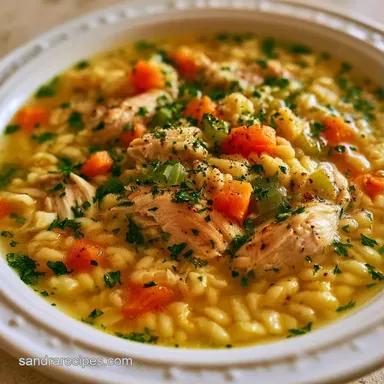
Chicken Pastina Recipe in 30 Minutes
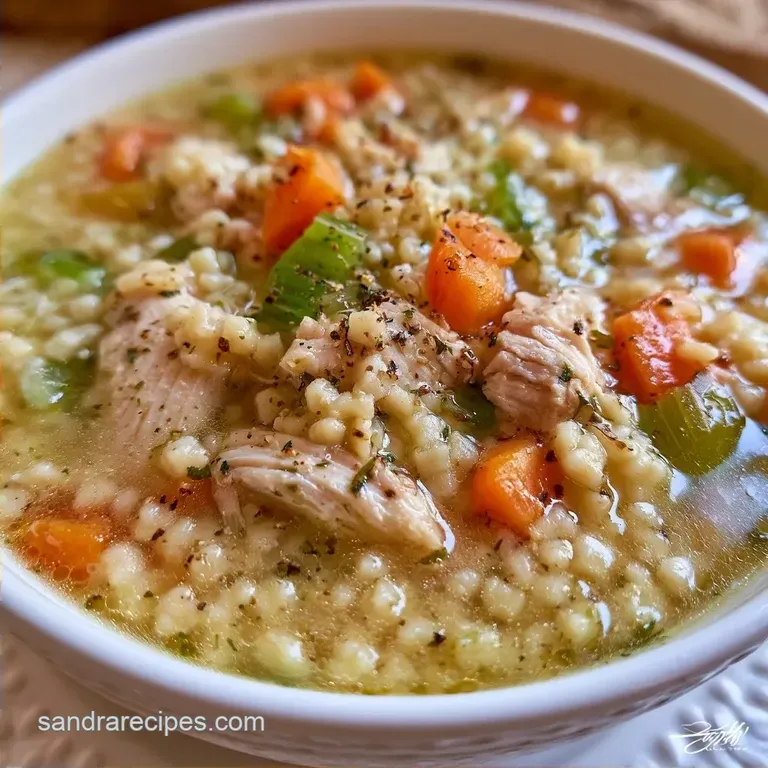
- Time: 10 min active + 20 min cooking
- Flavor/Texture Hook: Savory, rich broth with tiny, tender pasta pearls
- Perfect for: Weeknight comfort or a quick "feel better" meal
The scent of butter and onion hitting a hot pot always takes me back to my grandmother's kitchen. There's something about that specific sizzle that tells you a cozy meal is on the way. I used to think you needed a fancy roux to get a thick soup, but the magic is actually in the pasta itself.
The real hero here is the pastina. These tiny grains don't just sit in the liquid, they release starch as they cook, which thickens the broth naturally. This Chicken Pastina Recipe relies on that interaction to create a rich, satisfying texture that coats every spoonful.
You can expect a meal that's hearty but not heavy. It's a reliable go to that doesn't require hours of simmering, yet it tastes like it's been on the stove all afternoon. Trust me, once you try this method, you'll stop boiling your pasta in a separate pot.
Why This Recipe Works
- Direct Simmering: Cooking the pasta in the broth lets the starch stay in the pot, which thickens the liquid into a creamy consistency.
- Acid Balance: Adding lemon juice at the very end cuts through the richness of the butter and Parmesan, brightening the whole bowl.
- Aromatic Base: Sautéing the mirepoix (onion, carrots, celery) first creates a deep, savory foundation that raw vegetables can't match.
The way starch works in pasta is a bit of a science. According to Serious Eats, cooking pasta in a limited amount of liquid concentrates the starches, which is exactly how we get that thick, glossy finish in this Chicken Pastina Recipe.
| Approach | Prep Time | Texture | Best For |
|---|---|---|---|
| Fast Method | 5 mins | Thinner broth | Quick lunch |
| Classic Method | 10 mins | Creamy & rich | Comfort dinner |
Essential Cooking Details
For this Chicken Pastina Recipe, the timing is everything. You want the pasta tender but not mushy. I've found that 8 to 10 minutes is the sweet spot. If you go over, the pasta absorbs too much liquid and you end up with a porridge instead of a soup.
Keep your heat at a gentle simmer once the broth is in. A rolling boil can break the tiny pasta grains and make the broth cloudy in an unattractive way. A slow bubble keeps the pearls intact and the flavor balanced.
Ingredient Deep Dive
The balance of fats and acids is what makes this Chicken Pastina Recipe stand out. Using both butter and olive oil prevents the butter from burning while adding a rich, nutty depth. The Parmesan isn't just for salt, it adds a savory punch that ties the chicken and vegetables together.
| Ingredient | What It Does | Best Swap |
|---|---|---|
| Pastina | Thickens broth with starch | Acini di pepe or Orzo |
| Chicken Broth | Provides the savory base | Vegetable broth (for veg option) |
| Parmesan | Adds salt and umami | Pecorino Romano (saltier) |
| Lemon Juice | Cuts the richness | Apple cider vinegar |
The lemon juice is non negotiable. Without it, the butter and cheese can feel a bit heavy. That one tablespoon of acid wakes up the flavors and makes the Chicken Pastina Recipe feel fresh.
Tools for the Job
Equipment is minimal for this dish. I recommend a Dutch oven or a heavy-bottomed pot; the thick base prevents the butter from scorching and ensures even heating, which is key when stirring tiny pasta that tends to stick.
A cutting board and a sharp chef's knife are the only other necessities. Since the pastina grains are so small, try dicing your celery, carrots, and onions very finely. This ensures every bite of your Chicken Pastina Recipe contains a bit of everything.
Bringing It Together
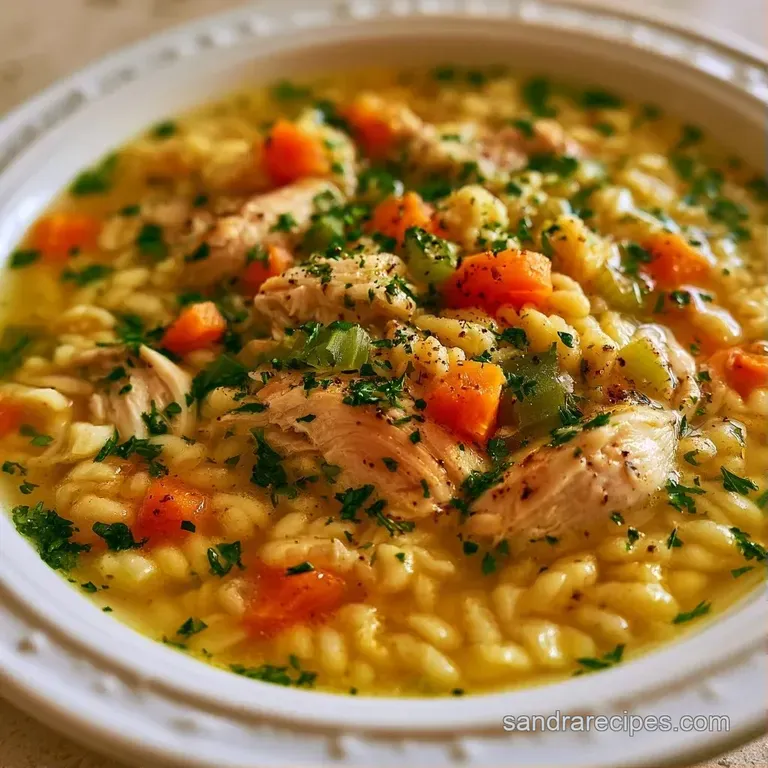
Sautéing the Aromatics
Heat 2 tbsp unsalted butter and 1 tbsp extra virgin olive oil over medium heat in a large Dutch oven. Add the diced onion, carrots, and celery. Cook for 5–7 minutes, stirring occasionally, until vegetables are softened and onions are translucent.
Stir in 3 cloves of minced garlic and cook for 60 seconds until fragrant.
Simmering the Base
Pour in 6 cups chicken broth and increase the heat to medium high. Bring the liquid to a gentle boil, then reduce the heat to a simmer. Stir in 1 tsp kosher salt and 1/2 tsp cracked black pepper.
Cooking the Pastina
Add 3/4 cup pastina directly into the simmering broth. Stir frequently to prevent sticking and cook for 8–10 minutes, until the pasta is al dente and the broth has thickened. You'll see the liquid go from clear to a slightly opaque, creamy look.
Folding in the Protein and Finish
Stir in 2 cups shredded cooked chicken breast and cook for 2 minutes to heat through. Remove from heat. Stir in 1/2 cup freshly grated Parmesan cheese, 1 tbsp fresh lemon juice, and 2 tbsp chopped fresh parsley.
Chef's Note: If you have a rotisserie chicken on hand, it's a great shortcut for the shredded chicken. Just make sure to remove any excess skin to keep the broth from getting too greasy.
Common Mistakes & Troubleshooting
Fixing a Too Thick Consistency
Pastina continues to absorb liquid even after you turn off the heat. If your Chicken Pastina Recipe looks more like a risotto than a soup, just stir in a splash of warm chicken broth or water. Do this right before serving to bring back that pourable texture.
Preventing Mushy Pasta
The biggest risk is overcooking. I always set my timer for 8 minutes and check the texture. Because the grains are so small, they go from al dente to mush in about 60 seconds. If you're making a larger batch, be extra vigilant with your stirring.
Handling Grainy Cheese
If the Parmesan clumps up, it's usually because the pot was too hot when you added it. Always remove the pot from the burner before stirring in the cheese. This lets the cheese melt smoothly into the broth rather than seizing.
Boosting the Flavor
If the broth feels flat, check your salt levels. Since different broths have different sodium amounts, you might need an extra pinch of salt to make the other flavors pop. For a different kind of comfort, you might also like my Pastina Recipe with Egg for an even richer version.
Creative Twists and Swaps
For those wanting a healthier spin, you can swap some of the broth for water or use a low sodium version. If you want to add more nutrients, stir in a handful of baby spinach or frozen peas during the last 2 minutes of cooking.
They wilt quickly and add a nice pop of color to the Chicken Pastina Recipe.
If you're avoiding dairy, omit the butter and Parmesan. Use a high-quality olive oil for the sauté and add a teaspoon of nutritional yeast at the end for that cheesy, umami flavor. It doesn't have the same stretch as real cheese, but it works surprisingly well in this Chicken Pastina Recipe.
For a more robust meal, you could serve this alongside some Cheese Stuffed Zucchini Boats to add some roasted vegetable texture to the table.
Dietary Adaptations
- For gluten-free: Use a gluten-free pastina or small star pasta. Note that GF pastas often release less starch, so the broth might be thinner.
- For dairy-free: Use vegan butter and a sprinkle of nutritional yeast instead of Parmesan.
- For Extra Protein: Add shredded turkey or diced ham instead of chicken.
Preservation Guidelines
Keep any remaining Chicken Pastina Recipe in a sealed vessel and refrigerate it for 3 days. Be aware that the pasta continues to absorb the broth while stored, so the consistency will be quite thick when you're ready to eat it.
I suggest avoiding the freezer for this meal. The tiny pasta pieces often break down and become mushy upon thawing, and the Parmesan can separate. It is most delicious when served fresh or chilled.
To use up scraps, store your carrot ends, celery tops, and onion skins in a freezer bag. When the bag is full, simmer them in water to make a homemade stock for your next batch of Chicken Pastina Recipe.
What to Serve This With
This dish is a meal in itself, but a few sides can make it a full feast. A crisp green salad with a sharp vinaigrette provides a great contrast to the creamy broth. The acidity of the salad cleanses the palate between spoonfuls of the Chicken Pastina Recipe.
Garlic bread or a toasted sourdough slice is another great addition. Use the bread to soak up every last drop of that starchy broth. If you're looking for something lighter, some steamed asparagus or sautéed kale works well.
For the best experience, serve the Chicken Pastina Recipe in wide bowls. Sprinkle a little extra Parmesan and a pinch of fresh black pepper on top right before serving. This keeps the presentation fresh and the flavors sharp.
High in Sodium
840 mg 840 mg of sodium per serving (37% 37% of daily value)
The American Heart Association recommends a limit of 2,300mg of sodium per day, with an ideal limit of 1,500mg for most adults to lower blood pressure.
Tips to Reduce Sodium
-
Swap the Broth-30%
Replace the standard chicken broth with low-sodium or no-salt-added broth to significantly lower the base sodium content.
-
Omit Added Salt-25%
Remove the 1 tsp of kosher salt entirely, as the broth and cheese already contribute substantial sodium.
-
Moderate the Cheese-15%
Reduce the Parmesan cheese by half or use it only as a light garnish per bowl instead of mixing it in.
-
Increase Acidity-5%
Add an extra squeeze of fresh lemon juice; the acidity helps trick your taste buds into perceiving more saltiness.
-
Fresh Herb Boost
Increase the fresh parsley or add a pinch of thyme or oregano to enhance the aromatic profile without adding sodium.
Recipe FAQs
What is the best soup to eat when you're sick?
Chicken pastina is an ideal choice. The combination of warm broth, lemon juice, and nutrients from the carrots and celery provides comfort and hydration.
Does pastina refer to a specific pasta shape?
No, it is a general term. It refers to any very small pasta, though acini di pepe is a common choice for this recipe.
Which other recipes use pastina?
It works well in minestrone or clear broths. If you loved the bright, acid-forward balance here, see how we use a similar lemon pepper technique in our salmon dishes.
Is it true that penicillin soup is just another name for chicken soup?
No, and here's why. While often used interchangeably, the term specifically refers to the perceived healing properties of chicken broth and aromatics during a cold.
Can this be served as a creamy chicken pasta?
Yes, by adjusting the broth. The addition of Parmesan cheese creates a natural creaminess that makes it feel like a light pasta dish rather than a traditional soup.
How to thicken the broth naturally?
Simmer the pasta directly in the broth. The starches release from the pastina into the liquid, creating a thicker consistency without needing extra ingredients.
Why use acini di pepe in this soup?
These tiny beads are easy to eat. Their size allows them to distribute evenly and absorb the flavors of the chicken broth and garlic.
Do you need to boil the pasta separately?
False. Cooking the pasta directly in the broth allows the starch to thicken the soup and ensures more flavor absorption.
Chicken Pastina Recipe in 30 Minutes