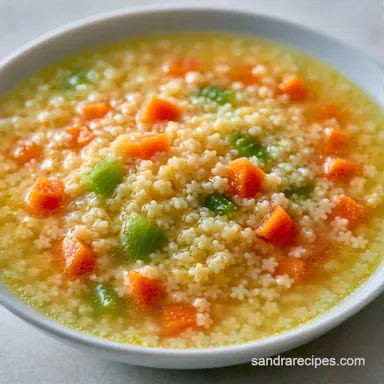
Old Fashioned Chicken Pastina Soup
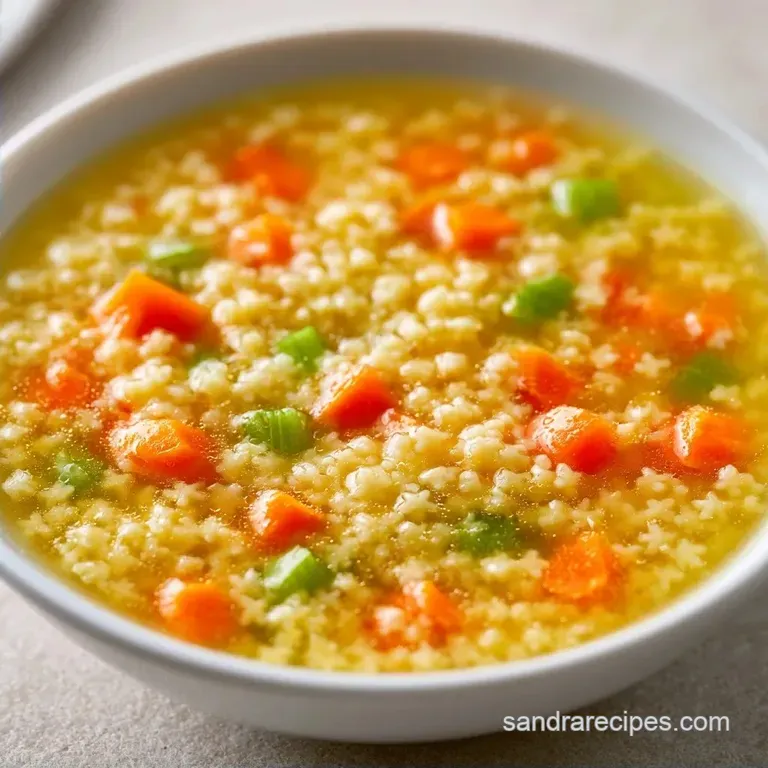
- Time: 10 min active + 30 min cook
- Flavor/Texture Hook: Umami rich golden broth with tiny, tender pasta
- Perfect for: Rainy weeknights, recovering from a cold, or a stress free family dinner
The smell of sautéing carrots and celery is basically a hug in a bowl. For years, I thought the only way to get that deep, "healing" flavor in a soup was to spend an entire Sunday boiling a chicken carcass until my kitchen felt like a sauna.
I believed the myth that a 12 hour simmer was the only path to a truly restorative broth.
But honestly, that's just not true. You don't need to sacrifice your whole weekend to make a soul soothing Chicken Pastina Soup. By using a few reliable shortcuts and a bit of pantry logic, you can get the same depth of flavor in about 40 minutes.
This version focuses on reliability and heartiness. We're using bone broth for the minerals and a specific addition, a Parmesan rind, that acts as a shortcut to that aged, complex taste you usually only get from long simmered pots.
It's a stress free way to bring a bit of Italian American comfort to your table.
Hearty Chicken Pastina Soup
Before we dive into the gear, let's look at the different ways you can handle this dish. While the stovetop is the standard, some people prefer other methods.
| Method | Time | Texture | Best For |
|---|---|---|---|
| Stovetop | 40 mins | Balanced & Glossy | Fresh, immediate serving |
| Slow Cooker | 6 hours | Very Soft | Set and forget mornings |
| Instant Pot | 25 mins | Consistent | Maximum speed |
Right then, let's talk about the components. The goal here isn't a thin broth with a few floating noodles, but a cohesive, rich meal where the pasta and liquid feel like one.
What Each Ingredient Does
| Ingredient | What It Does | Best Swap |
|---|---|---|
| Chicken Bone Broth | Provides the nutrient base and deep color | Low sodium chicken stock |
| Parmesan Rind | Adds concentrated umami and saltiness | Extra 1/2 tsp salt + pinch of nutmeg |
| Pastina | Thicken the soup via starch release | Acini di pepe or Orzo |
| Lemon Juice | Cuts through the richness with acidity | Apple cider vinegar |
Recipe Specs
This Chicken Pastina Soup is designed to be a reliable, one pot meal. It's a hearty option that fills you up without feeling heavy, making it a go to for anyone who wants comfort food that actually feels good to eat.
For the best results, keep your prep tight. Having your carrots and celery diced small ensures they cook at the same rate as the onions, so nothing ends up raw while other things are mushy.
What's Inside the Pot
Gather these items before you turn on the heat. Using a bone broth instead of a standard stock gives this Chicken Pastina Soup a much more substantial feel.
- 1 tbsp extra virgin olive oil
- 1 medium onion, finely diced
- 2 medium carrots, peeled and diced
- 2 stalks celery, diced
- 3 cloves garlic, minced
- 1 tsp dried oregano
- 6 cups low sodium chicken bone broth
- 2 cups pastina or acini di pepe pasta Why this? Tiny shapes maximize the broth to pasta surface area
- 2 cups cooked chicken breast, shredded Why this? Pre cooked chicken stays tender and won't overcook
- 1 Parmesan rind (1 oz) Why this? Natural flavor bomb that adds depth
- 1 tbsp fresh lemon juice
- 1/4 cup fresh parsley, chopped
- salt to taste
- black pepper to taste
- grated Parmesan cheese for garnish
If you're out of fresh parsley, a pinch of dried parsley works, but the fresh stuff adds a brightness that wakes up the whole pot. Trust me, don't skip the lemon juice at the end; it's what makes the flavors pop.
Gear You'll Need
No fancy equipment is required for this dish. A single heavy-bottomed pot is all you need; a Dutch oven is excellent for steady heat, though any large stockpot will work just as well.
You'll also want a sharp chef's knife and a cutting board to prepare the aromatics. I find that using two forks is the fastest way to shred the chicken breast. Additionally, a slotted spoon makes it much simpler to remove the Parmesan rind at the end.
Steps to Get it Done
Let's crack on. The key here is not to rush the vegetables; the slower they sauté, the sweeter they get.
- Heat the olive oil over medium heat. Add the onion, carrots, and celery. Sauté for 5-7 minutes until the onions are translucent and the carrots have softened slightly. Note: This builds the flavor base
- Stir in the minced garlic and oregano. Cook for 60 seconds until the mixture smells fragrant and nutty.
- Pour in the chicken bone broth and add the Parmesan rind. Increase heat to medium high and bring to a gentle boil.
- Reduce heat to low and simmer for 10 minutes. Wait for the broth to bubble softly, which allows the rind to release its depth of flavor.
- Stir in the pastina and shredded chicken. Simmer for 6-9 minutes until the pasta is al dente. Note: Don't overcook the pasta or it will absorb all the broth
- Remove the Parmesan rind using a spoon. Stir in the lemon juice and fresh parsley just before serving.
The soup should look glossy and thick. If it looks too thin, just let it simmer for another minute or two. If the pasta has soaked up too much liquid, you can easily stir in a splash more broth.
Solving Soup Struggles
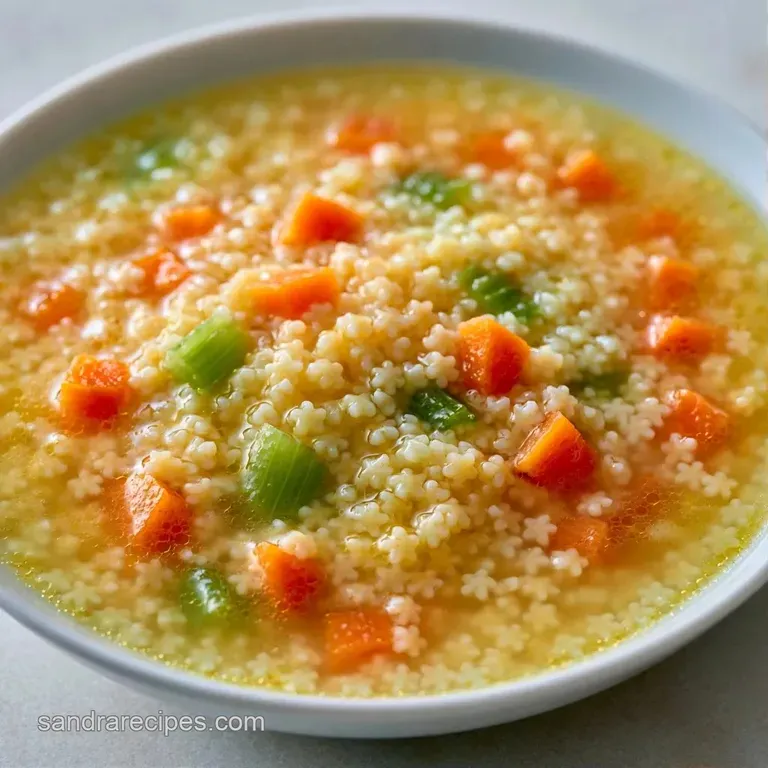
Even a reliable recipe can go sideways if the heat is too high or the pasta is too thirsty. The most common issue with Chicken Pastina Soup is the thickness. Pastina is like a sponge; it loves to soak up every drop of liquid it can find.
If you find your soup has turned into a thick porridge by the time you sit down to eat, don't panic. It just means the starch has done its job a bit too well. Just stir in some warm water or extra broth to loosen it back up.
Another common issue is dry chicken. This usually happens if the chicken was added too early or was already overcooked before going into the pot. Add it right at the end with the pasta to keep it moist.
| Problem | Fix |
|---|---|
| Soup is too thick | Stir in 1/2 cup warm broth or water |
| Pasta is mushy | Reduce simmer time by 2 minutes |
| Broth lacks depth | Simmer the Parmesan rind for 5 extra minutes |
| Chicken feels dry | Add chicken in the final 5 minutes only |
Mix It Up
After mastering the foundational Chicken Pastina Soup, feel free to experiment with the taste. I often toss in a pinch of red pepper flakes when I'm fighting a cold, as the spicy kick helps clear the sinuses.
For another variation, you might enjoy my Pastina Recipe with Egg, which gives the broth a velvety, custard-like consistency. Alternatively, if you prefer a bit more tang, try topping each bowl with a dollop of pesto.
Decision Shortcut:
- Extra zest? → add 1 tsp lemon zest
- More greens? → stir in 2 cups fresh spinach at the end
- Creamier feel? → stir in 2 tbsp heavy cream or mascarpone
If you crave something even more indulgent, a Creamy Pastina Recipe is a wonderful choice for those evenings when you want something less like a soup and more like a warm embrace.
Adjusting the Batch
If you're cooking for a crowd or just for yourself, you can scale this Chicken Pastina Soup easily.
Scaling Down (1-2 servings): Use a smaller saucepan to prevent the broth from evaporating too quickly. Reduce the simmer time for the vegetables by about 20% since there's less mass in the pot. If you're using an egg variant, beat one egg first and then stir in only half.
Scaling Up (8+ servings): Don't just double the salt and spices, increase them by about 1.5x first, then taste. Liquids can be reduced by about 10% because you lose less to evaporation in a massive pot. Work in batches if your pot isn't large enough to allow the pasta to move freely.
Common Kitchen Myths
A lot of people think you have to boil the pasta in a separate pot and then add it to the soup. That's actually a mistake if you want a hearty texture. Cooking the pasta in the broth releases starches that naturally thicken the soup, giving it a silky consistency without needing flour or cream.
Another myth is that you must use a fresh chicken carcass for the broth to be "healing." While homemade stock is great, high-quality bone broth provides the same collagen and protein benefits in a fraction of the time.
Save and Reheat
Storage for this Chicken Pastina Soup is a bit tricky because of the pasta. If you leave it in the broth, the pastina will continue to absorb liquid until you have a thick paste.
Store your leftovers in sealed containers in the cooler for up to 3 days. When you're ready to eat, add a splash of broth or water to the bowl before microwaving. This restores the liquid ratio and keeps the pasta from feeling gummy.
I don't recommend freezing this soup. The pasta doesn't freeze well and often turns mushy upon thawing. If you want to meal prep, freeze the broth and vegetable base, and then add fresh pastina and chicken when you actually reheat it.
For zero waste, save your onion skins, carrot ends, and celery tops in a freezer bag. Once the bag is full, boil them with a few peppercorns to make a quick vegetable stock for your next batch of soup.
What to Serve With
While this Chicken Pastina Soup is filling enough on its own, adding a few sides turns it into a complete feast. A slice of toasted sourdough with garlic butter is the traditional pairing, ideal for soaking up every drop of the broth.
For a lighter accompaniment, try a fresh arugula salad tossed in a zesty lemon vinaigrette to offset the richness of the Parmesan. The peppery flavor of the greens provides a refreshing contrast to the soup's savory depth.
To make the meal even heartier, serve it with roasted root vegetables or a classic grilled cheese sandwich. The combination of gooey melted cheese and the zesty broth is a wonderful match.
The Logic Behind it
The real trick to this Chicken Pastina Soup is the Parmesan rind. Rinds are packed with concentrated glutamates, which are the compounds responsible for the "umami" or savory taste. By simmering the rind, you're essentially extracting a depth of flavor that usually takes hours of roasting and simmering.
Then there's the starch release. When pastina cooks in the broth, it leaks small amounts of starch into the liquid. This doesn't just thicken the soup; it changes how the broth feels in your mouth, making it feel more substantial.
USDA guidance notes that for safety, pre cooked chicken should be reheated to an internal temperature of 165°F. Since we're simmering the chicken with the pasta for about 9 minutes, it easily reaches this safe zone while staying tender.
By combining a high protein bone broth with the starch of the pasta and the umami of the cheese, you create a balanced meal that hits every taste bud. It's simple, reliable, and does exactly what a comfort soup should do.
High in Sodium
810 mg 810 mg of sodium per serving (35% 35% of daily value)
The American Heart Association recommends a daily sodium limit of no more than 2,300 mg, with an ideal limit of 1,500 mg for most adults to reduce cardiovascular risk.
Tips to Reduce Sodium
-
Switch the Broth-30%
Replace the low-sodium chicken bone broth with homemade unsalted chicken stock or a sodium-free vegetable base.
-
Omit Added Salt-25%
Skip the 'salt to taste' entirely; the Parmesan and broth already provide significant sodium levels.
-
Remove the Rind-15%
Avoid adding the Parmesan rind during the simmering process to prevent concentrated salt from leaching into the soup.
-
Limit Cheese Garnish-15%
Use a small pinch of Parmesan for garnish or substitute with a salt-free nutritional yeast for a similar savory flavor.
-
Enhance with Aromatics
Increase the fresh parsley and lemon juice to provide a bright, zesty flavor that mimics the palate's reaction to salt.
Recipe FAQs
Which broth is best for this soup?
Low-sodium chicken bone broth is the ideal choice for richness and depth.
Tip: maintain a gentle boil rather than a rolling one to keep the liquid clear.
How long does this soup stay fresh?
The soup stays high quality for about four days when kept chilled.
Tip: store the pasta separately to prevent it from absorbing all the broth over time.
Is it true that pastina should be cooked separately before adding to the pot?
No, and here's why. Simmering the pasta directly in the liquid allows it to absorb the savory chicken and Parmesan flavors.
Tip: stir frequently during the final minutes to keep the small grains from sticking.
Can I substitute the pasta if I lack pastina?
Acini di pepe works as a perfect one-to-one replacement.
Tip: if you enjoy using nutrient-dense bases, see how we structure a grain bowl for maximum nutrition.
Chicken Pastina Soup for 4 Servings