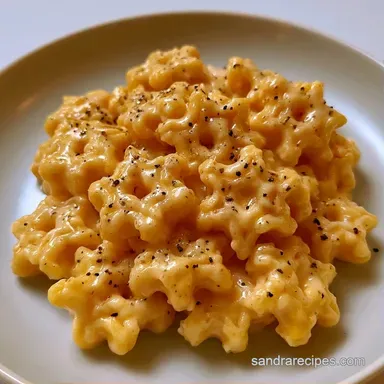
Healthy 15-Minute Egg Cheese Pastina
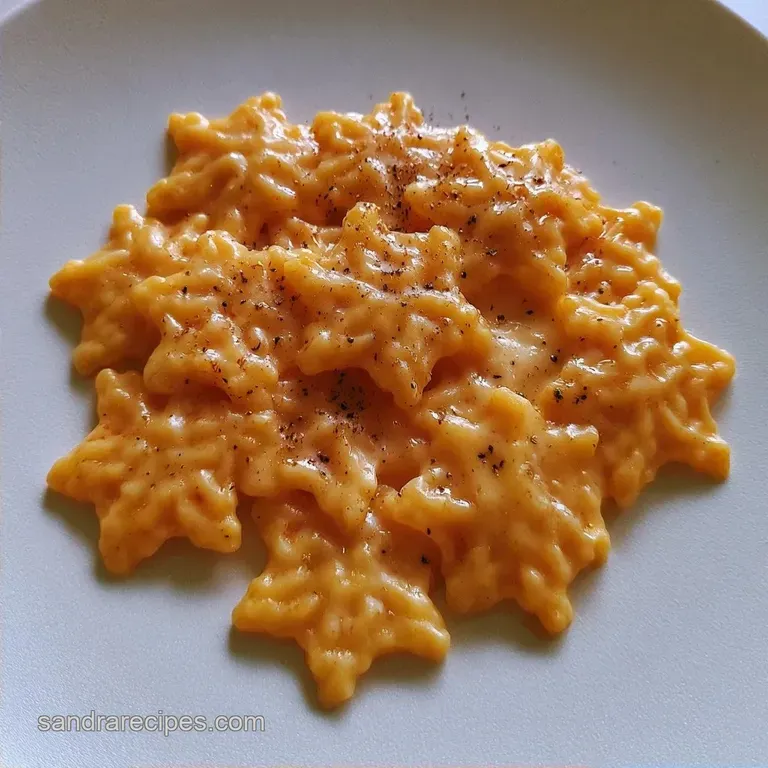
- Time: 5 min active + 10 min cooking
- Flavor/Texture Hook: Salty, buttery, and silky
- Perfect for: Cold rainy nights or a quick, comforting lunch
Easy Egg Cheese Pastina for Comfort
The smell of butter browning in a pan always hits me first. I used to just boil the pasta in water, drain it, and stir in the cheese, but it always felt thin. The real problem I hit early on was the "scrambled egg" disaster.
I'd toss the egg into the pot while it was still on the burner, and instead of a sauce, I got lumpy chunks of cooked egg clinging to the pasta.
That's why this version is different. By toasting the grains and moving the pan off the heat, you get that thick, glossy coating that actually sticks to the pasta. It's the kind of meal that feels like a hug in a bowl.
You can expect a dish that's rich but not heavy. Egg Cheese Pastina isn't about fancy techniques; it's about timing. Once you get the temperature right, it comes together in a flash.
Recipe Specs
Right then, let's look at the basics. This is a small batch recipe, meant for two people. It's designed to be stress free, so you don't need to hover over the stove the entire time.
| Goal | Exact Change |
|---|---|
| Extra protein? | Fold in 1 tbsp ricotta |
| More zing? | Add 1/2 tsp lemon zest |
| Saltier kick? | Use Pecorino instead of Parmesan |
The Basic Ingredients
The quality of your cheese matters here. I usually go for a decent wedge of Parmesan and grate it myself because the pre shredded stuff has cornstarch that can make the sauce grainy.
Why These Ingredients Work
| Ingredient | What It Does | Best Swap |
|---|---|---|
| Pastina | Provides the base starch | Orzo or Acini di Pepe |
| Vegetable Broth | Adds depth and salt | Chicken broth or water + salt |
| Egg | Thickens and binds the sauce | 2 tbsp Mascarpone (no egg) |
| Parmesan | Adds umami and salt | Pecorino Romano |
Pantry List
- 1 cup (150g) pastina Why this? Small size absorbs broth quickly
- 2 cups (480ml) low sodium vegetable broth Why this? More flavor than plain water
- 1 tbsp (14g) unsalted butter Why this? Creates a nutty toasted base
- 1/4 tsp (1g) cracked black pepper
- 1 large egg Why this? Creates the creamy emulsion
- 1/4 cup (25g) grated Parmesan cheese Why this? Classic salty finish
- 1 pinch (0.5g) ground nutmeg Why this? Cuts through the richness
- 1 tbsp (15ml) fresh parsley, chopped
Tools You'll Need
Common kitchen staples are all you'll need for this recipe.
- Small saucepan: Use one with a heavy base to ensure the pasta doesn't scorch.
- Small mixing bowl: To hold the egg and cheese mixture.
- Whisk: A small balloon whisk is most effective for removing lumps from the egg paste.
- Measuring cups and spoons.
Cooking Steps
Let's crack on. The flow here is all about the transition from the heat to the finish.
- Place the saucepan over medium heat and add the butter.
- Stir in the pastina, tossing the grains for 1 minute until they smell nutty and look golden. Note: This prevents the pasta from becoming mushy.
- Pour in the low sodium vegetable broth. Bring to a gentle boil, then reduce heat to low.
- Simmer, stirring occasionally to prevent sticking, for 6–8 minutes until the liquid is mostly absorbed and the pasta is al dente.
- While the pasta simmers, whisk together the egg, grated cheese, and nutmeg in a small bowl until a thick paste forms.
- Remove the saucepan from the heat entirely. Note: This is the most important step to avoid curdling.
- Quickly stir in the egg and cheese mixture, whisking vigorously for 30–60 seconds until a glossy, creamy sauce forms.
- Stir in the black pepper and garnish with fresh parsley.
Fixing Common Problems
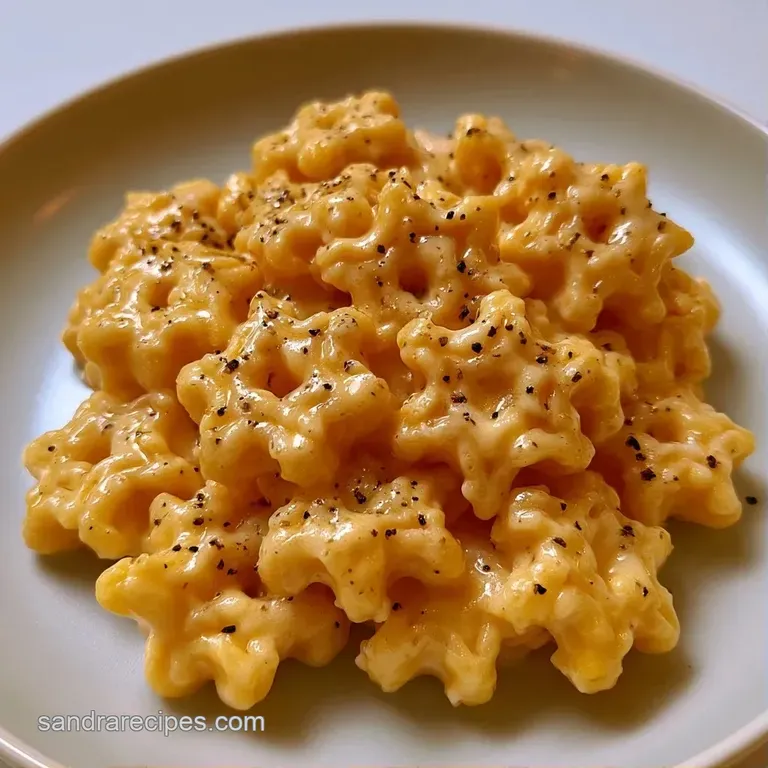
Even straightforward dishes can have their pitfalls. For Egg Cheese Pastina, most errors stem from temperature control. If the eggs start to clump, the pan has likely remained on the hot burner too long.
Eggs Look Scrambled
This happens when the heat is too high, causing the egg proteins to tighten and separate from the liquid. To avoid this, let the pan cool for 30 seconds before stirring in the eggs.
Pasta Is Too Dry
If the broth absorbs too quickly, the sauce will lack creaminess. To fix this, stir in a splash of extra broth or warm water immediately before adding the egg mixture.
Sauce Is Grainy
Graininess is usually the result of using pre-grated cheese or failing to whisk the egg paste thoroughly. Ensure your "liaison" is smooth before it hits the pan.
| Problem | Root Cause | Solution |
|---|---|---|
| Lumpy Eggs | Pan too hot | Remove from heat before adding egg |
| Gluey Texture | Overcooked pasta | Stop simmering at 6-8 minutes |
| Bland Taste | Low sodium broth | Add a pinch of salt at the end |
Making it Different
I love this base, but you can easily change the vibe. If you want something with more bulk, try folding in some sautéed spinach or frozen peas during the last 2 minutes of simmering.
For a different take on comfort, you could try a Creamy Tomato Pastina by swapping the broth for a tomato based liquid. If you're feeling under the weather and need something more liquid, a Chicken Pastina Soup is a great way to use similar ingredients in a more brothy format.
Fresh vs. Shortcut
| Feature | Fresh Grated | Pre shredded |
|---|---|---|
| Melt Quality | Smooth and glossy | Slightly grainy |
| Flavor | Sharp and punchy | Milder |
| Effort | 2 minutes grating | Zero |
Keeping it Fresh
This dish is best enjoyed fresh. Because it uses an egg sauce, the texture thickens considerably as it cools.
Storage: Store leftovers in a glass container and keep them chilled for 2 days.
Reheating: Avoid using the microwave on high to prevent the eggs from overcooking. Warm it on the stovetop over low heat, stirring in a tablespoon of water or milk to restore the sauce's consistency.
Zero Waste: Don't discard your Parmesan rinds. Instead, add them to your next pot of vegetable stock to create a deep, savory flavor profile.
What to Serve
Egg Cheese Pastina is a full meal on its own, but a bit of contrast helps. I usually serve it with a simple side of steamed broccoli or a crisp arugula salad with a sharp lemon vinaigrette to cut through the butter.
A piece of toasted sourdough with a rub of raw garlic is also a great companion. It gives you something crunchy to dip into the creamy sauce.
The Logic Behind It
The trick here is using the starch from the pasta. Since we simmer the grains in a small amount of broth, the starch stays in the pan and helps the egg and cheese bind into a sauce instead of separating.
Regarding the egg, USDA guidance suggests that eggs are safely cooked at 160°F. The residual heat of the pasta is usually enough to bring the egg to a safe temperature while keeping the texture smooth.
Chef's Tip: If you're worried about the eggs curdling, "temper" them. Stir one tablespoon of the hot pasta broth into your egg mixture before adding the whole thing to the pan. This warms the egg slowly.
The Starch Factor
Cooking the pasta in broth concentrates the natural starches. This makes the final result far creamier than if you boiled the pasta in a huge pot of water and drained it. Serious Eats' testing on similar pasta dishes shows that keeping the cooking liquid is the key to a cohesive sauce.
The Heat Window
The window between "raw egg" and "scrambled egg" is small. Removing the pan from the heat creates a safety buffer, allowing the egg to thicken through gentle heat rather than aggressive boiling.
High in Sodium
840 mg 840 mg of sodium per serving (37% 37% of daily value)
The American Heart Association recommends a daily sodium limit of 2,300 mg, with an ideal limit of 1,500 mg for most adults to reduce cardiovascular risk.
Tips to Reduce Sodium
-
Swap Broth for Water-30%
Replace the low-sodium vegetable broth with water or a homemade salt-free vegetable stock to eliminate the primary sodium source.
-
Use Fresh Aromatics-20%
Instead of broth, sauté finely diced carrots and celery in the butter before adding water to create a natural flavor base.
-
Reduce Parmesan Cheese-15%
Use half the amount of grated Parmesan or substitute it with nutritional yeast for a similar nutty, savory taste with less salt.
-
Boost Fresh Herbs
Increase the amount of fresh parsley and cracked black pepper to add depth and brightness without adding sodium.
Recipe FAQs
How to make pastina with egg and butter?
Toast the grains in butter, simmer in broth, and whisk in egg and cheese after removing the pan from the heat.
Tip: Stir vigorously for 30–60 seconds to ensure the sauce becomes glossy.
Is it true that eggs always scramble when added to hot pasta?
No, this is a common misconception. Removing the pan from the heat entirely prevents curdling and creates a silky sauce.
Tip: Use the residual heat of the pasta to cook the egg gently.
Can I use other pasta types for this recipe?
Use small shapes like orzo if you do not have pastina on hand.
Tip: If you enjoy small-grain comfort foods, try our chicken pastina for a heartier version.
Why does the sauce sometimes turn out grainy?
Grate your Parmesan cheese from a fresh wedge to avoid the cornstarch found in pre-shredded bags.
Tip: Whisk the egg and cheese into a thick paste before adding it to the pot.
Egg Cheese Pastina in 15 Minutes