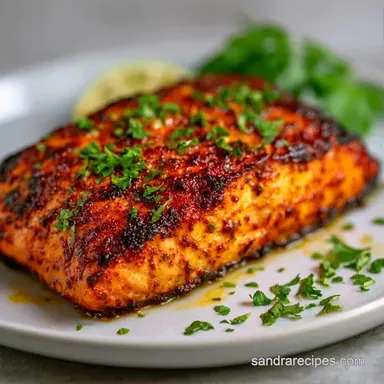
Masala Salmon Fillet with Indian Spices
- Time: 10 min active + 20 min resting
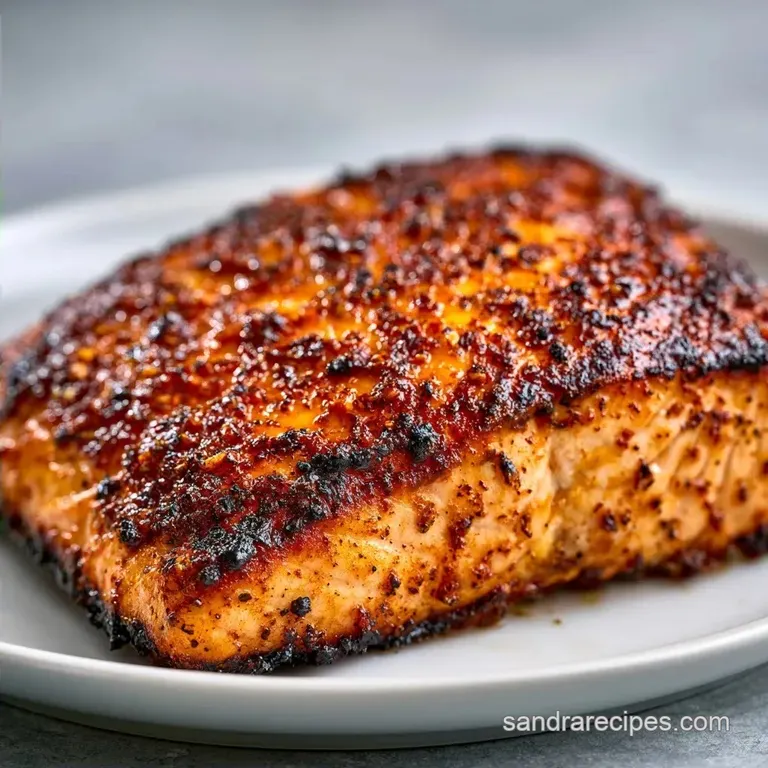
- Flavor/Texture Hook: Mahogany crust with a fresh, zesty finish
- Perfect for: A vibrant weeknight dinner or meal prep
The sound of salmon hitting a screaming hot pan is one of my favorite kitchen noises. That immediate sizzle tells you the skin is going to be crisp and the spices are actually caramelizing. I used to think you needed to marinate fish for hours to get real flavor, but that's a total myth.
Over marinating fish in acid actually ruins the texture, making it mushy. For this Masala Salmon Fillet, a short 20 minute rest at room temperature is all you need. It lets the salt penetrate the meat and the spices stick without breaking down the delicate proteins.
You can expect a dish that feels light but tastes heavy on flavor. We're talking about a bright, zesty punch from the lemon and a warm, earthy base from the garam masala. It's a fast way to bring something colorful to the table.
The Perfect Masala Salmon Fillet
The key here is the temperature of the pan and the dryness of the fish. If there's moisture on the skin, you'll get steaming instead of searing. I've spent way too many dinners staring at a gray, soggy piece of fish because I forgot to pat it dry.
To get that deep color, we use a thick paste rather than a dry rub. The oil in the paste helps the spices fry against the fish. If you're looking for a different approach, you might like the Indian spiced baked salmon version for a more hands off meal.
This recipe relies on the contrast between the charred exterior and the tender, flaky center. It’s a balance of heat and acid that keeps the fish tasting fresh.
Why the flavors pop - Lemon Juice: The acid cuts through the fatty oils of the salmon, making the spices feel vibrant rather than heavy. - Room Temp Rest: Letting the fish sit for 20 minutes ensures the center cooks through by the time the crust is mahogany.
| Method | Time | Texture | Best For |
|---|---|---|---|
| Pan Searing | 10 mins | Crisp skin, charred crust | Maximum flavor punch |
| Oven Baking | 20 mins | Uniformly tender | Cooking for a crowd |
What Each Ingredient Does
| Ingredient | What It Does | Best Swap |
|---|---|---|
| Lemon Juice | Softens proteins and brightens spice | Lime juice |
| Turmeric | Provides earthy base and gold color | Mild curry powder |
| Ghee | High smoke point for a hard sear | Avocado oil |
Ingredients You'll Need
For the masala rub
- 2 tbsp (30g) ginger garlic paste Why this? Adds a pungent, aromatic base
- 1 tsp (2g) garam masala
- 1 tsp (2g) ground cumin
- 1 tsp (2g) coriander powder
- 1/2 tsp (1g) turmeric powder
- 1/2 tsp (1g) Kashmiri red chili powder Why this? Gives a bright red color with mild heat
- 1/2 tsp (3g) salt
- 1/4 tsp (1g) cracked black pepper
- 1 tbsp (15ml) lemon juice
- 1 tbsp (15ml) vegetable oil
For the salmon
- 4 (6 oz / 170g) salmon fillets, skin on Why this? Skin protects the flesh from direct heat
- 2 tbsp (30ml) ghee or neutral oil
For the garnish
- 1 tbsp (5g) fresh cilantro, chopped
- 1 wedge (15g) fresh lemon
- 1 small (20g) red onion, thinly sliced into rings
Quick Recipe Specs
- Prep time: 10 minutes
- Cook time: 10 minutes
- Total time: 40 minutes
- Yield: 4 fillets
Essential Kitchen Tools
You really need a cast iron skillet for this Masala Salmon Fillet. The heat retention is what creates that crust. A non stick pan works, but you won't get the same depth of color. I also recommend a flexible fish spatula so you don't tear the fillets when flipping.
Simple Cooking Steps
- Mix the ginger garlic paste, garam masala, cumin, coriander, turmeric, chili powder, salt, pepper, lemon juice, and 1 tablespoon of oil in a small bowl. Stir vigorously until a thick, smooth paste forms.
- Pat the salmon fillets completely dry with paper towels. Note: Any moisture will prevent a crisp sear.
- Coat each fillet generously with the masala rub. Ensure the sides and top are fully covered.
- Let the fish rest at room temperature for 20 minutes. Note: This allows the flavors to penetrate the meat.
- Heat the ghee or oil in a cast iron skillet over medium high heat until it begins to shimmer.
- Place the fillets in the pan, skin side down. Press down lightly with a spatula for 10 seconds to ensure the skin hits the metal.
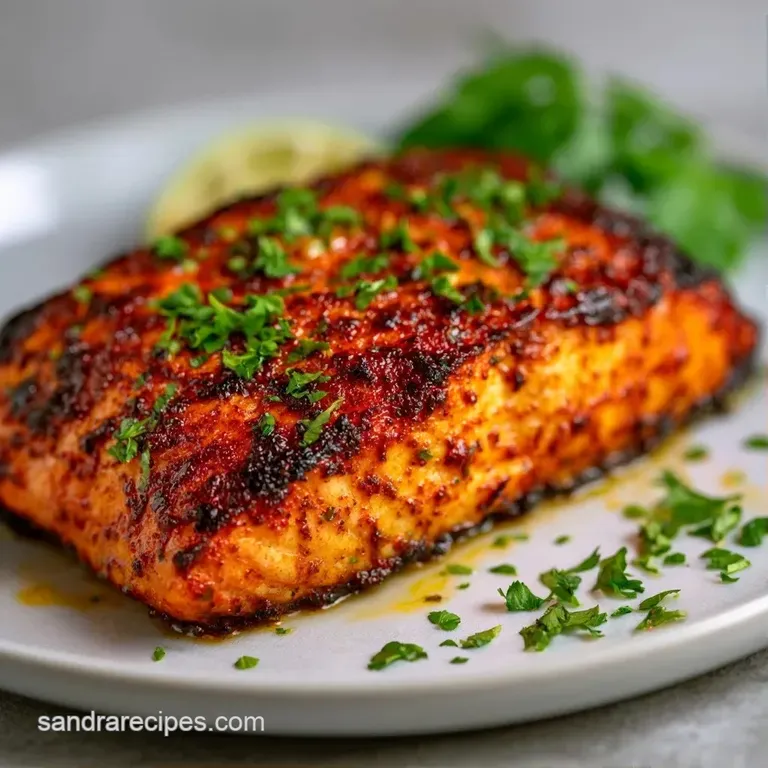
- Sear for 4–5 minutes without moving them until the skin is crisp and a mahogany crust has formed.
- Flip the fillets and cook for another 3–5 minutes until the fish flakes easily with a fork.
- Remove from heat and garnish with fresh cilantro, red onion rings, and a squeeze of lemon.
Fixing Common Issues
When making a Masala Salmon Fillet, the most common headache is the fish sticking to the pan. This usually happens because the pan wasn't hot enough or the fish was moved too early.
Another issue is the spices burning. Because the rub contains garlic and ginger, it can char quickly if the heat is on "high" rather than "medium high". If you see black smoke, kill the heat for 30 seconds.
Why Your Salmon Sticks
If the fillet clings to the skillet, it's likely the proteins haven't set. Wait for the oil to shimmer before adding the fish.
| Problem | Root Cause | Solution |
|---|---|---|
| Salmon sticks | Pan temperature too low | Wait for oil to shimmer |
| Spices taste burnt | Heat too aggressive | Lower flame slightly |
| Fish is underdone | Fillet was too thick | Sear 1 min longer per side |
Adjusting the Portion Size
If you're just cooking for one, you can easily halve the rub. Just remember to use a smaller skillet. If you crowd the pan with too many fillets, the temperature drops, and you'll end up boiling the fish in its own juices instead of searing it.
For a larger crowd, work in batches. I've tried doing 8 fillets at once, and it's a disaster. The Masala Salmon Fillet needs space to breathe.
When doubling the recipe, don't double the salt. Go for 1.5x the salt and spices to avoid an overpowering taste.
Common Kitchen Myths
Searing meat or fish does not "seal in the juices." That's a old school myth. The sear is actually about creating new flavor compounds through heat. The moisture loss happens regardless, but the crust makes the Masala Salmon Fillet taste far better.
You also don't need to "warm up" the fish for an hour. Twenty minutes is the sweet spot. Any longer and you're risking food safety without adding any real benefit to the flavor.
Storage and Reheating
Store leftovers in an airtight container in the fridge for up to 2 days. I don't recommend freezing this specific Masala Salmon Fillet because the lemon juice in the rub can change the texture of the fish during freezing and thawing.
To reheat, avoid the microwave. It makes the fish rubbery and kills the crust. Instead, put the fillet in a toaster oven or a pan over medium heat for 3 minutes.
To avoid waste, save your red onion scraps and lemon rinds. Toss them into a freezer bag to make a quick vegetable stock later.
Plating for Impact
I like to keep the plating simple to let the colors do the work. Place the Masala Salmon Fillet on a bed of basmati rice or sautéed spinach. The bright orange of the fish against the green spinach looks stunning.
Scatter the thin red onion rings over the top for a bit of crunch and a sharp bite. A final sprinkle of fresh cilantro adds a pop of green.
For the finishing touch, serve the lemon wedge on the side. Squeezing the fresh juice over the hot crust right before eating wakes up all the spices.
Twists and Swaps
If you want a creamier vibe, you can serve this with a lemon dill salmon sauce for a fusion twist. The acidity of the dill sauce cuts through the warmth of the masala.
For those who want less heat, swap the Kashmiri chili powder for paprika. You'll keep the red color but lose the spicy kick.
Decision Shortcut
- If you want it spicier, add 1/2 tsp of cayenne to the rub.
- If you want a smoky flavor, use smoked paprika instead of turmeric.
- If you're skipping the ghee, use avocado oil for the same over high heat performance.
This Masala Salmon Fillet is a great example of how a few pantry spices can totally change a simple piece of protein. It's fast, healthy, and hits all the right notes. Trust me on the room temp rest it makes a huge difference. Enjoy your dinner!
Recipe FAQs
How to make masala salmon?
Combine ginger garlic paste, garam masala, cumin, coriander, turmeric, chili powder, salt, pepper, lemon juice, and oil into a smooth paste. Coat dried fillets generously, rest for 20 minutes, and sear skin side down in shimmering ghee or oil over medium high heat for 4 5 minutes.
Does marsala sauce go with salmon?
No, Marsala is a sweet wine sauce and is entirely different from a masala spice blend. While Marsala can be used with fish, this recipe relies on a savory Indian rub for a bold, aromatic profile.
Is it true that grilled salmon is better for high blood pressure than pan-seared?
No, this is a common misconception. Both methods are heart healthy options, provided you manage the salt content and use a small amount of neutral oil or ghee.
How to cook salmon for diabetics?
Prioritize aromatic spices over sugary glazes. Use the turmeric and garam masala blend in this recipe to provide deep flavor without impacting blood glucose levels.
How to prevent the masala rub from burning in the pan?
Heat your ghee or oil until shimmering but not smoking. Press the fillets down for 10 seconds and leave them undisturbed for 4 5 minutes to develop a mahogany crust without scorching the spices.
How to reheat leftover masala salmon?
Place the fillet in a toaster oven or a pan over medium heat for 10 minutes. Avoid the microwave, as it makes the fish rubbery and kills the crisp crust.
What are some other unique salmon recipes for dinner?
Experiment with different regional spice profiles or clean eating methods. If you liked the aromatic blend here, see how a similar flavor base works in an Indian salmon curry.
Masala Salmon Fillet