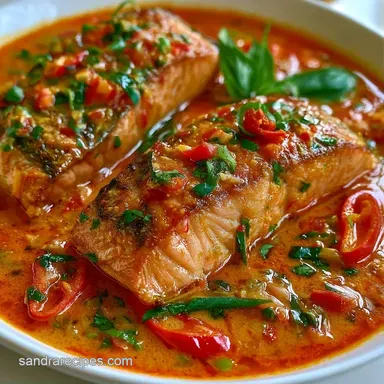
Pan-Seared Indian Salmon Curry
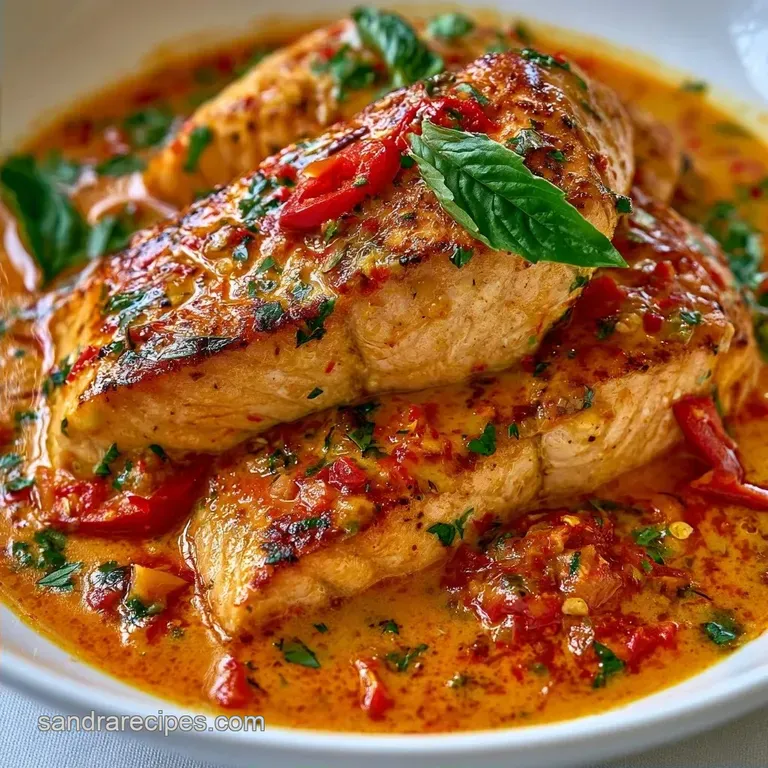
- Time: 10 min active + 25 min cook
- Flavor/Texture Hook: Rich, creamy sauce with a zesty lime finish
- Perfect for: Weeknight dinner or a cozy date night
The first thing you'll notice is the smell. When those cumin seeds hit the hot coconut oil, they pop and release this earthy, toasted aroma that immediately fills the room. Then comes the sizzle of the salmon hitting the pan, creating a golden crust that locks in the juices.
I used to overcook my fish in curries, leaving me with dry flakes that disintegrated into the sauce. I learned that treating the salmon like a steak - searing it fast and adding it back at the end - changes everything. This Indian Salmon Curry is about that balance of heat, cream, and fresh acidity.
You can expect a dish that feels hearty and comforting, but doesn't leave you feeling weighed down. It's a stress free meal that tastes like you put in way more effort than 35 minutes.
Easy Indian Salmon Curry Recipe
The Prep Flow To keep things moving, I follow a simple three step plan. First, get the fish marinated and the onion diced. Second, handle the searing and the aromatic base. Finally, simmer everything together for the finish.
Fast vs. Classic Approach
| Approach | Time | Texture | Best For |
|---|---|---|---|
| Fast | 35 mins | Smooth sauce | Busy weeknights |
| Classic | 60 mins | Chunky, rustic | Slow Sunday lunch |
Decision Shortcut If you want it spicier, add an extra pinch of Kashmiri chili powder to the marinade. If you want it tangier, increase the fresh lime juice to 2 tbsp. If you want a thicker sauce, reduce the added water by 2 tbsp.
Why This Recipe Works
- Separate Searing: Browning the salmon first creates a flavor crust and prevents the fillets from breaking apart when they simmer in the sauce.
- Late Coconut Milk: Adding the milk at the end keeps the sauce from curdling and maintains a rich, creamy consistency.
- Acid Balance: Using both lemon juice in the marinade and lime juice at the end cuts through the fat of the salmon and coconut milk.
The Ingredient Breakdown
I've found that using specific spices makes a huge difference. For example, Kashmiri chili powder is great because it gives a bright red color without being overwhelmingly hot. If you're curious about how different fats affect flavor, Serious Eats has some great breakdowns on oil smoke points.
| Ingredient | What It Does | Best Swap |
|---|---|---|
| Coconut Milk | Adds creaminess and body | Heavy cream (adds richness, less tropical) |
| Tomato Puree | Provides acidity and thickness | Crushed canned tomatoes (chunkier texture) |
| Kashmiri Chili | Gives color and mild heat | Paprika + pinch of Cayenne |
| Salmon Fillets | The hearty protein base | Steelhead trout or Cod |
Essential Cooking Gear
You don't need a professional kitchen for this. A heavy bottomed skillet or a wide pan is the only must have. This ensures the heat distributes evenly so the onions don't burn in one spot.
I prefer a non stick pan for the salmon sear to avoid any sticking, but stainless steel works if you use enough oil. A small bowl for the marinade and a sharp chef's knife for the onions are the only other tools you'll need.
Step-by-step Cooking Flow
Phase 1: The Quick Marinate & Sear 1. Pat the salmon fillets dry with a paper towel. Note: Dry fish sears better and doesn't steam. 2. Rub the turmeric, chili powder, salt, and lemon juice evenly over the fish and let sit for 5-10 minutes. 3.
Heat 1 tbsp of oil in a skillet over medium high heat. Sear salmon for 2-3 mins per side until a golden brown crust forms. Keep the center undercooked. Remove and set aside.
Phase 2: Building the Aromatic Base 4. Add the remaining oil to the same pan and sauté cumin seeds until they sizzle and smell toasted. 5. Add diced onions and sauté for 5 mins until translucent and slightly caramelized. 6.
Stir in the ginger garlic paste and cook for 1 min. 7. Pour in the tomato puree, coriander powder, and salt. Cook until the tomatoes soften and the oil separates from the paste.
Phase 3: The Simmer and Finish 8. Stir in the garam masala and water. Bring to a simmer. 9. Stir in the full fat coconut milk and fresh lime juice. 10. Return the seared salmon fillets to the pan and simmer gently until the fish is cooked through and flakes easily. 11.
Garnish with chopped fresh cilantro before serving.
Fixing Common Issues
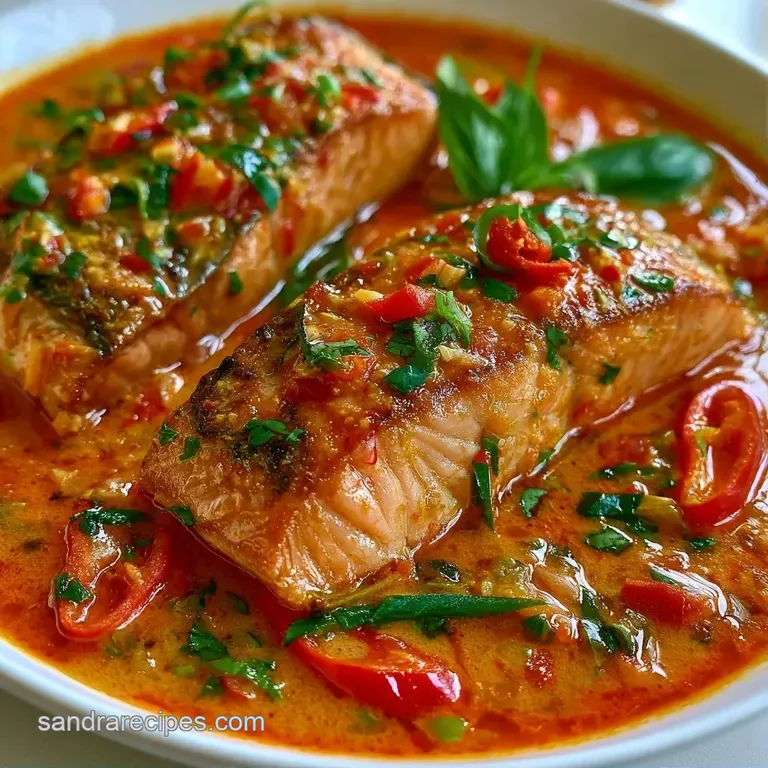
If your salmon is breaking apart, you likely simmered it for too long or didn't sear it enough to create that protective crust. The fish only needs a few minutes in the sauce to finish cooking.
Another common issue is the sauce splitting. This usually happens if the heat is too high after adding the coconut milk. Keep it at a gentle simmer, not a rolling boil.
Why Your Curry Is Too Sour
This usually happens if the tomatoes were very acidic or you overdid the lime. A tiny pinch of sugar or a bit more coconut milk can balance the pH.
Why Your Sauce Is Thin
If the sauce hasn't thickened, you might have added too much water. Let it simmer for another 3-5 minutes without a lid to reduce the liquid.
| Problem | Root Cause | Solution |
|---|---|---|
| Broken Fish | Overcooked/No sear | Sear better, simmer less |
| Curdled Sauce | Heat too high | Lower heat, stir gently |
| Bland Flavor | Under seasoned | Add salt or lime juice |
Variations and Swaps
If you're looking for a different vibe, you can easily pivot this recipe. For a Tandoori salmon style flavor, you could increase the yogurt in a marinade before searing.
Regional Styles To make a South Indian Salmon Curry, add a teaspoon of tamarind paste for a sour, tangy kick. For a Goan Salmon Curry, use a bit of vinegar and add a touch of cinnamon to the aromatic base.
If you want a Sri Lankan Salmon Curry, add a piece of pandan leaf to the oil while sautéing the onions.
Dietary Changes For an Indian Salmon Curry without Coconut Milk, you can use Greek yogurt or cashew cream. Just be careful to whisk the yogurt first so it doesn't clump. If you prefer a more traditional baked salmon approach, you can bake the fish and pour the curry sauce over it at the end.
Protein Swaps While this is an Indian Salmon Curry, you can use shrimp or firm white fish like Halibut. Just reduce the final simmer time to 2-3 minutes so the seafood doesn't get rubbery.
Scaling Adjustments
Cooking for One (Half Recipe) Use a smaller 8 inch skillet. Reduce the water by an extra tablespoon since less liquid evaporates in a smaller batch. Your cook time for the onions will be about 20% faster.
Feeding a Crowd (Double Recipe) Do not crowd the pan when searing the salmon. Work in two batches, or you'll boil the fish instead of searing it. When doubling the spices, only go to 1.5x the amount of salt and garam masala first, then taste and adjust.
Liquids can be reduced by 10% to keep the sauce thick.
Cooking Myths
Some people think you have to "seal" the juices in the meat by searing. This isn't actually how it works. Searing is about creating a crust for flavor and texture, not creating a waterproof seal.
Another myth is that you need to cook the curry base for an hour to get deep flavor. While slow cooking is great, a over high heat sauté of onions and tomatoes can get you a hearty result in 15 minutes.
Storage and Waste Tips
Fridge and Freezer Store leftovers in an airtight container in the fridge for up to 3 days. I don't recommend freezing this Indian Salmon Curry because the coconut milk can separate and the fish texture becomes mushy upon thawing.
Reheating Warm it gently on the stove over low heat. Add a splash of water or a teaspoon of coconut milk to loosen the sauce back up.
Zero Waste Ideas Don't throw away the salmon skin if you removed it. Crisp it up in a separate pan with salt and pepper for a crunchy snack. If you have leftover cilantro stems, mince them finely and add them to the onion sauté for extra punch.
Best Side Pairings
This Indian Salmon Curry is rich, so you want sides that can soak up the sauce. Basmati rice is the classic choice, but quinoa also works well.
For something with more texture, try toasted garlic naan or a simple cucumber raita. The cool yogurt in the raita balances the warmth of the spices. If you want a lighter option, sautéed spinach or roasted cauliflower provides a nice earthy contrast to the creamy coconut base.
High in Sodium
1010 mg 1010 mg of sodium per serving (44% 44% of daily value)
The American Heart Association recommends a daily limit of 2,300mg of sodium to help maintain healthy blood pressure and heart health.
Tips to Reduce Sodium in Your Salmon
-
Cut the Added Salt-25%
Reduce or eliminate the 0.75 tsp of salt used in the marinade and sauce to drastically lower the sodium content.
-
Fresh Ginger Garlic-20%
Replace store-bought ginger garlic paste with freshly minced ginger and garlic to avoid hidden salts and preservatives.
-
Amplify Citrus-10%
Increase the lemon and lime juice; the acidity mimics the taste of salt and enhances the natural flavors of the salmon.
-
Enhance with Herbs
Add extra fresh cilantro or a pinch more ground coriander to provide depth and aroma without adding any sodium.
Recipe FAQs
Is salmon a good choice for Indian curry?
Yes, it works beautifully. The fatty richness of the salmon stands up well to the bold spices and creamy coconut milk without falling apart.
How to prevent the salmon from overcooking in the sauce?
Sear the fillets for 2-3 minutes per side until a golden crust forms but the center remains undercooked. Return them to the pan only at the very end to finish cooking gently in the simmer.
Can I use a different oil instead of coconut oil?
Yes, any neutral oil works. If you prefer a lighter profile, similar to our clean eating salmon, you can use avocado or olive oil.
How to store leftover Indian Salmon Curry?
Place in an airtight container and refrigerate for up to 3 days. Do not freeze this dish, as the coconut milk can separate and the fish texture becomes mushy.
Is it true that I should cook the salmon completely before adding it to the sauce?
No, this is a common misconception. Cooking the fish fully during the sear leads to dryness; it must finish cooking while simmering in the curry to stay moist.
How to make the curry sauce thicker?
Simmer the tomato puree and spices longer until the oil separates from the paste before adding liquids. This reduces the water content and intensifies the base.
How to reheat the curry without ruining the fish?
Warm gently on the stove over low heat. Stir in a splash of water or a teaspoon of coconut milk to loosen the sauce and prevent the salmon from overcooking.
Indian Salmon Curry