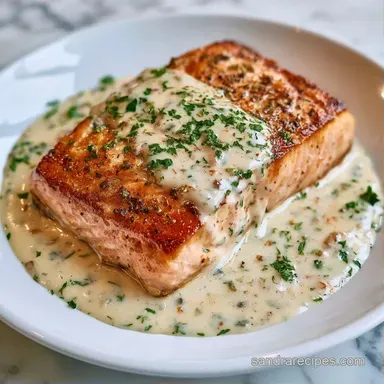
Salmon Cream Sauce with Coconut Cream
- Time: 5 min active + 10 min cook
- Flavor/Texture Hook: Tangy, rich, and smooth
- Perfect for: Weeknight dinner or Whole30 meal prep
The smell of garlic sizzling in hot ghee always reminds me of my first attempt at a cream sauce. I remember being so excited that I dumped the lemon juice in while the pan was still boiling. The result looked like curdled cottage cheese. It was a disaster, and I almost threw the whole pan away.
Most people struggle with their sauces breaking or feeling too greasy. When you use heavy cream, the acidity from lemon often causes the proteins to clump. This Salmon Cream Sauce fixes that by using coconut cream, which handles acidity much better.
You can expect a vibrant, bright flavor that doesn't feel heavy on the stomach. It's a simple fix for anyone who wants a restaurant style finish without the risk of a broken sauce.
Easy dairy-free Salmon Cream Sauce
The goal here is a sauce that clings to the fish rather than pooling at the bottom of the plate. This specific approach ensures the fat stays bonded.
Why Coconut Cream Works
Fat Stability: Coconut cream has a different structure than dairy, so it doesn't curdle when you add lemon.
Natural Thickness: The high fat content means the sauce thickens quickly without needing flour or cornstarch.
| Method | Time | Texture | Best For |
|---|---|---|---|
| Stovetop | 10 mins | Glossy and thick | Quick weeknight meals |
| Oven | 20 mins | Softer and integrated | Slow roasting fillets |
What Each Ingredient Does
| Ingredient | What It Does | Best Swap |
|---|---|---|
| Coconut Cream | Provides the rich, creamy base | Cashew cream (soaked and blended) |
| Ghee | Sautés garlic without burning | Avocado oil (neutral flavor) |
| Lemon Juice | Cuts through the fat for brightness | Lime juice (more tropical) |
Simple Ingredients and Swaps
Gather your ingredients before you turn on the heat. Since this cooks fast, you don't want to be chopping garlic while the ghee is smoking.
- 1 cup full fat coconut cream Why this? Provides the thickness and stability.
- 2 tbsp ghee Why this? Higher smoke point than butter.
- 3 cloves garlic, minced
- 1/2 tsp sea salt
- 1/4 tsp cracked black pepper
- 1 tbsp fresh lemon juice Why this? Essential for balancing the coconut fat.
- 1 tbsp fresh parsley, finely chopped
If you're making a Whole30 Salmon Cream Sauce, stick to the ghee and coconut cream. You can replace the parsley with fresh dill if you want a more traditional profile.
Tools for the Job
You don't need a fancy kitchen for this. A medium saucepan and a whisk are the main requirements. I prefer a stainless steel pan because it lets me see exactly when the sauce begins to brown.
Using a whisk instead of a spoon helps you incorporate the lemon juice faster. This rapid mixing creates a better emulsion for the final Salmon Cream Sauce.
Making the Salmon Cream Sauce
Follow these steps to keep the texture smooth. Keep your heat at a steady medium to avoid scorching the coconut milk.
- Place the saucepan over medium heat and melt the ghee. Note: This prevents the garlic from sticking.
- Add the minced garlic once the ghee is shimmering. Sauté for 1-2 minutes until fragrant and translucent.
- Pour in the coconut cream.
- Whisk in the salt and black pepper.
- Bring the mixture to a gentle simmer.
- Simmer for 5-7 minutes, stirring occasionally, until the sauce reduces by about one third. It should look velvety and thick.
- Remove the pan from the heat. Note: Removing from heat prevents the lemon from reacting too harshly.
- Stir in the fresh lemon juice and chopped parsley.
- Whisk vigorously for 10 seconds until the sauce has a glossy finish.
Fixing Common Sauce Issues
Even with a simple recipe, things can go sideways. Usually, it comes down to temperature or timing.
Troubleshooting Common Issues
| Issue | Solution |
|---|---|
| Why Your Sauce Separated | If you see oil beads on top, you likely boiled the coconut cream too hard. High heat can break the emulsion of the coconut fat. Stir it in quickly over low heat to bring it back together. |
| Why the Sauce Is Too Thin | You might have pulled the pan off the heat too early. The sauce needs that 5-7 minute simmer to evaporate the excess water. Just put it back on medium heat for another 2 minutes. |
| Why the Flavor Is Flat | This usually happens if the lemon juice isn't fresh. Bottled juice lacks the bright enzymes of a real lemon. Add a tiny pinch more salt or another squeeze of fresh lemon. |
Right then, here is a quick decision shortcut for your dinner: If you want a zesty kick, double the lemon. If you want it richer, simmer for an extra 2 minutes. If you're serving guests, strain the sauce for a perfectly smooth look.
Different Flavor Twists
One of the things I love about this Salmon Cream Sauce is how easily it adapts. You can change the vibe of the whole meal just by swapping one herb.
For a more classic feel, try this Lemon Dill Salmon Sauce. The dill adds a grassy note that works well with the coconut. If you want something with a bit of heat, stir in a pinch of red pepper flakes while sautéing the garlic.
You can also add a handful of baby spinach at the very end. The heat from the sauce will wilt the leaves in about 30 seconds. This turns the dish into a full meal without needing a separate side.
Storage and Zero Waste
I rarely have leftover sauce, but when I do, I keep it in a glass jar.
Fridge: Store in an airtight container for up to 3 days. Freezer: I don't recommend freezing this. The coconut cream can change texture and become grainy upon thawing.
Reheating: Heat slowly on the stove over low heat. Do not microwave it on high, or the fat might separate. Whisk in a splash of water or coconut milk to loosen it up.
Zero Waste: Don't toss the lemon rinds. I usually zest them first and freeze the peels to make homemade citrus infused vinegar. If you have leftover coconut cream in the can, freeze it in ice cube trays for your next batch of sauce or a smoothie.
Best Serving Ideas
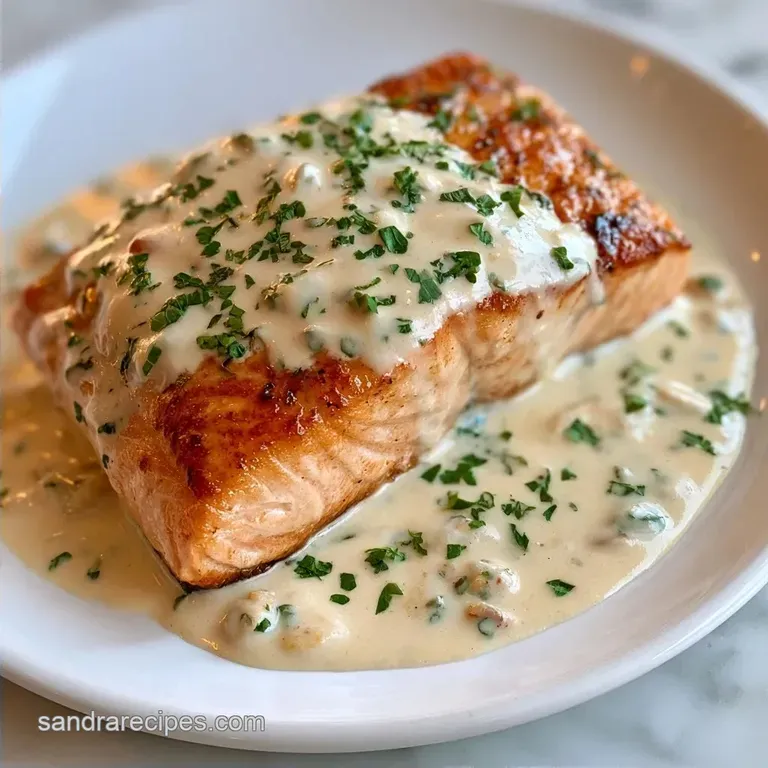
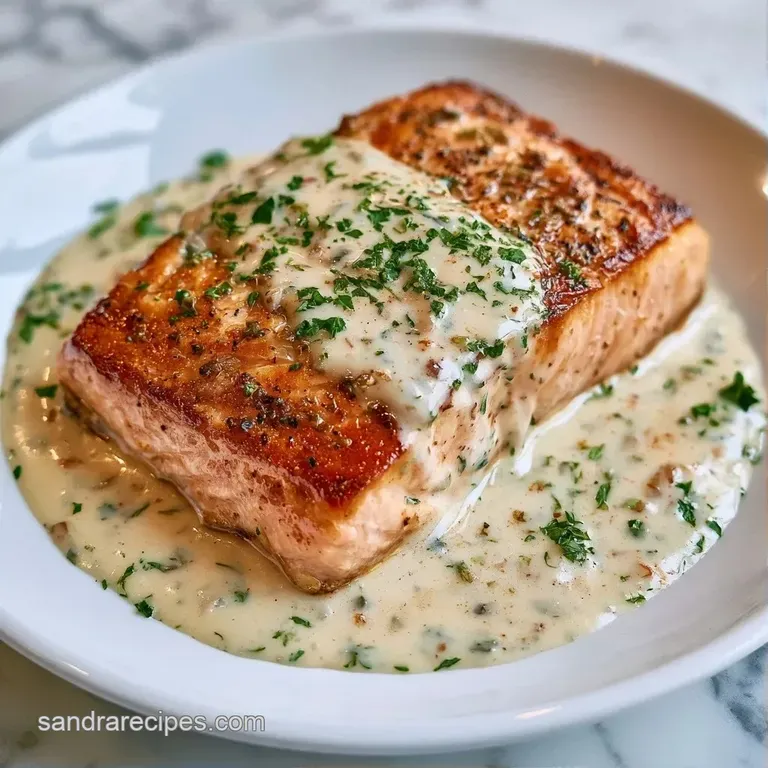
The way you present this makes a huge difference. I suggest searing your fillets first, then spooning the sauce over the top right before serving. This keeps the fish skin crispy.
This pairs well with Homemade Baked Salmon if you prefer a more hands off cooking method. For sides, I usually go with steamed asparagus or a pile of quinoa to soak up the extra sauce.
Misconceptions About dairy-free Sauces
Some people think dairy-free means flavor free. That's just not true. Coconut cream actually carries flavors like garlic and lemon more effectively than heavy cream because of its fat structure.
Others believe you need a roux (flour and butter) to make a sauce thick. The reduction method used here is actually cleaner. You get a thick consistency without the "pasty" taste that flour sometimes leaves behind.
Trust me on this: once you try a coconut based Salmon Cream Sauce, you'll stop worrying about your dairy sauces splitting. It's a much more relaxed way to cook a fancy dinner.
Recipe FAQs
Did you make this recipe?
Yes, I developed and tested this. I refined the simmer time to ensure the coconut cream reaches a velvety consistency every time.
How do I prevent dry salmon?
Use a meat thermometer to pull the fish at 135°F. Let it rest for a few minutes before serving to keep the juices inside.
Can I use frozen salmon for this recipe?
Yes, frozen salmon works well. Just ensure it is completely thawed and patted dry with paper towels before searing to get a proper crust.
Can I reheat the salmon and sauce safely?
Yes, reheat slowly on the stove over low heat. Avoid using a high power microwave, as this can cause the coconut fat to separate.
Is it true that boiling the sauce is the best way to thicken it?
No, this is a common misconception. Boiling the coconut cream too hard can break the emulsion; instead, simmer gently for 5-7 minutes.
What should I do if the sauce is too thin?
Return the pan to medium heat for another 2 minutes. This allows more water to evaporate, resulting in the desired thick consistency.
What other simple salmon recipes do you recommend?
Try a honey based glaze for a different flavor profile. If you enjoyed the simplicity here, see how we use a fast sear technique in our honey lemon garlic salmon.
Whole30 Salmon Cream Sauce