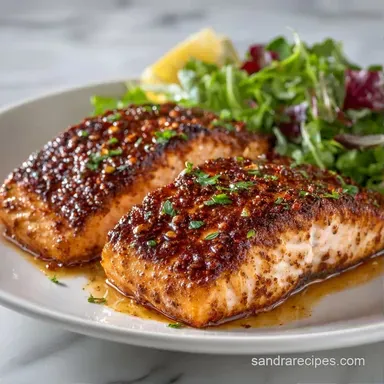
Blackened Lemon Pepper Salmon: Bold and Tender
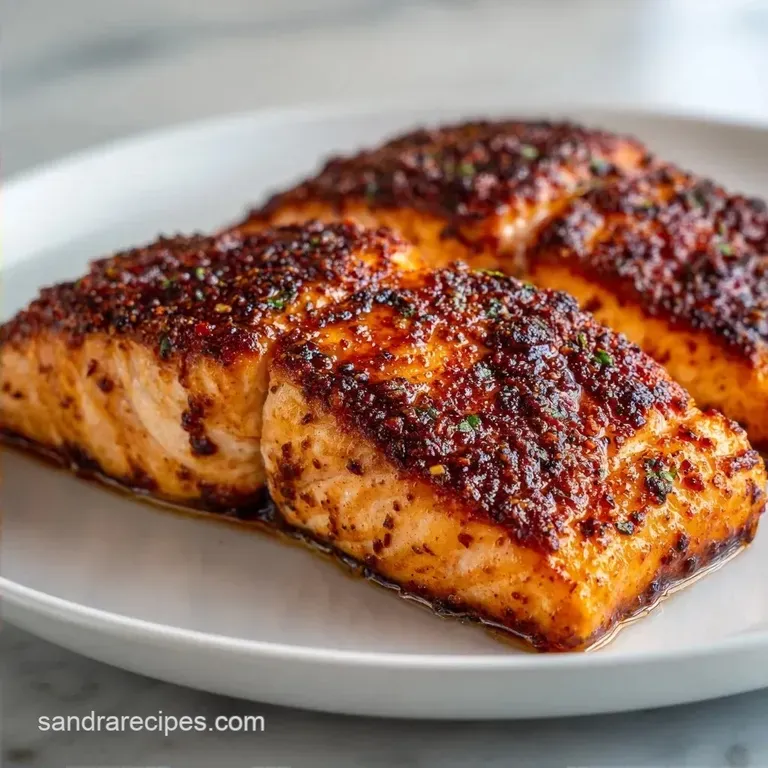
- Time: 10 min active + 15 min cook
- Flavor/Texture Hook: Shatter crisp spice crust with velvety fish
- Perfect for: Stress free weeknight dinners or a quick date night
- Simple Pan Seared Lemon Pepper Salmon
- Secrets to the Perfect Sear
- The Ingredient Breakdown
- Necessary Ingredients and Swaps
- Step by Step Cooking Flow
- Fixing Common Cooking Mistakes
- Adjusting the Serving Size
- Common Salmon Myths
- Storage and Waste Tips
- Serving and Pairing Ideas
- Recipe FAQs
- 📝 Recipe Card
That loud, aggressive sizzle is the sound of success. If your salmon ever comes out looking gray and steamed, it's usually because the pan wasn't hot enough or the fish was too wet. I've spent way too many nights staring at a rubbery piece of fish that tasted more like a boiled eraser than a meal.
The fix is actually pretty simple. It comes down to getting the surface bone dry and using a cast iron skillet that can actually hold its heat. When you do it right, the spices toast and the butter browns, creating a savory crust that locks in the moisture.
This Lemon Pepper Salmon is my go to when I want something that feels fancy but takes less than 30 minutes. It's reliable, hearty, and doesn't require a bunch of fancy tools. Let's get into how to make it work every single time.
Simple Pan Seared Lemon Pepper Salmon
The secret to this dish is the balance of fat and acid. Using both butter and olive oil gives you the flavor of the butter without the burnt milk taste that happens when butter alone hits a over high heat pan.
It's a straightforward process, but the timing is where people usually trip up. Salmon goes from "perfectly medium" to "dry as a bone" in about 60 seconds. That's why I always suggest using a meat thermometer.
This particular Lemon Pepper Salmon recipe relies on a homemade rub. store-bought mixes are okay, but adding smoked paprika and a pinch of cayenne gives it a depth that makes it taste like it came from a restaurant.
Secrets to the Perfect Sear
The goal here is a "mahogany" crust, not a burnt one. Here is why this specific approach works for the fish.
- Surface Moisture: Water is the enemy of a sear. By patting the fish dry, you stop it from steaming, which lets it brown instantly.
- Fat Synergy: Olive oil has a higher smoke point than butter. The oil protects the butter, allowing it to brown the fish without scorching.
- Carryover Heat: The fish continues to cook for a few minutes after it leaves the pan. Pulling it at 135°F (57°C) ensures it hits the ideal temperature on the plate.
- Spice Toasting: The fats in the pan fry the paprika and garlic powder, which releases oils that make the flavors pop.
| Method | Time | Texture | Best For |
|---|---|---|---|
| Fresh Squeeze/Rub | 25 mins | Bold, zesty crust | High flavor dinner |
| Bottled Mix | 20 mins | Uniform, salty | Ultra fast prep |
| Oven Baked | 35 mins | Softer, tender | Large groups |
The Ingredient Breakdown
I call this "component analysis" because every ingredient has a job. If you remove one, the balance shifts.
| Ingredient | Science Role | Pro Secret |
|---|---|---|
| Salmon Fillets | Protein Base | Use center cut for even cooking |
| Unsalted Butter | Browning Agent | Brush it on first to create a fat barrier |
| Smoked Paprika | Color & Depth | Adds a "grilled" taste without a grill |
| Lemon Pepper | Acid/Heat | Use a coarse grind for better texture |
Necessary Ingredients and Swaps
Don't stress if you're missing one thing. Most of these can be swapped as long as you keep the fat to acid ratio the same.
- 4 (6 oz) salmon fillets Why this? Consistent size ensures they all finish at once
- 2 tbsp unsalted butter, melted Why this? Adds a nutty, velvety finish
- 1 tbsp olive oil Why this? Prevents butter from burning
- 1 tbsp lemon pepper seasoning Why this? Provides the primary zing
- 1 tsp smoked paprika Why this? For that deep mahogany color
- 1/2 tsp garlic powder Why this? Savory base note
- 1/2 tsp onion powder Why this? Adds a subtle sweetness
- 1/4 tsp cayenne pepper Why this? Tiny kick to wake up the palate
- 1/2 tsp kosher salt Why this? Pulls flavor to the surface
- 1/2 tsp black pepper Why this? Adds a woody heat
| Original Ingredient | Substitute | Why It Works |
|---|---|---|
| Unsalted Butter | Ghee (2 tbsp) | Higher smoke point. Note: Slightly nuttier flavor |
| Salmon | Steelhead Trout | Very similar fat content and texture |
| Smoked Paprika | Sweet Paprika | Similar color. Note: Lacks the smoky depth |
| Olive Oil | Avocado Oil | Higher heat tolerance. Note: Neutral taste |
Step by step Cooking Flow
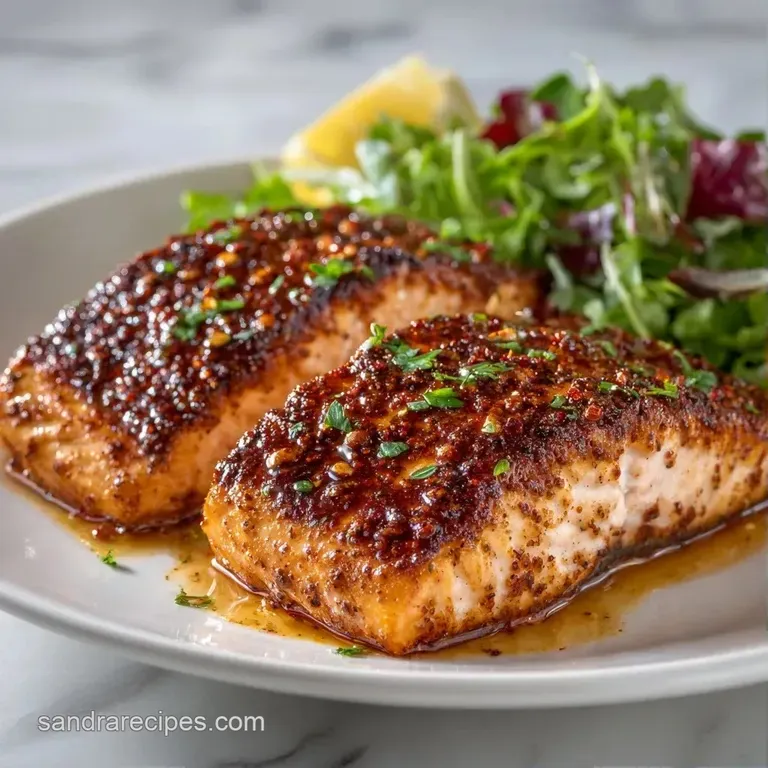
I like to treat the kitchen like a production line. Get everything ready, then move fast once the heat is on.
Phase 1: Prepping the Salmon 1. Pat the salmon fillets completely dry with paper towels. Note: Any moisture will steam the fish instead of searing it. 2. Brush each fillet lightly with melted butter. Note: This helps the spices stick.
Phase 2: Applying the Blackened Rub 3. In a small bowl, mix lemon pepper seasoning, smoked paprika, garlic powder, onion powder, cayenne, salt, and black pepper. 4. Generously coat the top and sides of each fillet.
Note: Press the spices in with your fingers so they don't fall off in the pan.
Phase 3: Searing to Perfection 5. Heat olive oil in a cast iron skillet over medium high heat until shimmering. Note: If the oil isn't shimmering, the fish will stick. 6.
Place salmon in the pan and sear for 3-5 minutes without moving it until a mahogany crust forms. 7. Flip the fillets carefully using a wide spatula. 8.
Cook for another 3-4 minutes until the fish flakes easily with a fork or reaches an internal temperature of 135°F (57°C).
Chef's Note: To get that perfect crust, leave the fish alone! If you try to flip it too early, it will tear. The fish will naturally release from the pan when the crust is ready.
Fixing Common Cooking Mistakes
Even the best of us mess up. Usually, it's a temperature issue. According to Serious Eats, the key to a great sear is maintaining a consistent pan temperature.
Sticking to the Pan
If your fish is sticking, the pan wasn't hot enough or you flipped too soon. The proteins need time to bond and form a crust before they let go of the metal.
Overcooking the Fillets
Salmon continues to cook after it's plated. If you wait until it looks "done" in the pan, it will be dry by the time you eat it. Pull it early.
Burnt Spice Rub
If the spices taste bitter, your heat was too high. The paprika and garlic powder can burn quickly if the oil is smoking aggressively.
| Problem | Root Cause | Solution |
|---|---|---|
| Gray fish | Pan too cold | Heat oil until it shimmers |
| Rub falling off | Didn't press rub in | Use fingers to press spices into flesh |
| Dry center | Cooked past 145°F | Pull fish at 135°F internal |
Success Checklist:
- ✓ Fish patted bone dry before oil.
- ✓ Pan shimmering before the fish hits.
- ✓ No flipping for the first 3 minutes.
- ✓ Internal temp checked with a thermometer.
- ✓ Rested for 2 minutes before serving.
Adjusting the Serving Size
If you're just cooking for yourself, this recipe scales down easily. For a single fillet, just divide the rub by four, but keep the oil amount the same to ensure the pan stays lubricated.
When cooking for a crowd (8+ people), don't try to cram them all into one skillet. You'll drop the pan temperature and end up with steamed fish. Instead, work in batches or consider my Easy Baked Salmon Fillet method for larger groups.
If you do bake them in batches, lower the oven temperature by about 15°C to prevent the edges from drying out before the center is cooked.
Common Salmon Myths
There are a lot of "rules" about fish that just aren't true. Let's clear some of them up.
The "Seal in Juices" Myth Searing meat or fish does not create a waterproof seal. Moisture loss happens throughout the cooking process. The crust is about flavor and texture, not about "locking" water inside.
The "Expensive is Better" Myth You don't need the most expensive wild caught sockeye for this. Farmed Atlantic salmon is actually better for this recipe because the higher fat content makes it harder to overcook. I've used both in my Homemade Baked Salmon tests, and the fat content is what really matters for the sear.
Storage and Waste Tips
If you have leftovers, store them in an airtight container in the fridge for up to 3 days. To reheat without drying the fish out, place it in a pan over low heat with a teaspoon of water and cover it with a lid. The steam will gently warm the fish.
Don't throw away the skin if you're using skin on fillets. You can crisp up the leftover skin in a dry pan to make "salmon chips" for a snack. Also, any leftover spice rub can be stored in a jar for months it's great on shrimp or white fish.
Serving and Pairing Ideas
This dish is quite bold, so you want sides that cut through the richness. A simple lemon dressed arugula salad or some steamed asparagus works beautifully.
The "Fresh & Green" Pairing Pair this with sautéed spinach and a squeeze of fresh lemon. The bitterness of the greens balances the buttery salmon perfectly.
The "Hearty Grain" Pairing If you're really hungry, serve it over a bed of quinoa or wild rice. The grains soak up the leftover butter from the pan.
Decision Shortcut:
- If you want a light meal, do a side of steamed broccoli.
- If you want comfort food, do a side of garlic mashed potatoes.
- If you want a feast, do both and add a glass of chilled white wine.
Right then, you've got everything you need. This Blackened Lemon Pepper Salmon is all about confidence and heat. Just trust the thermometer, leave the fish alone in the pan, and enjoy that crunch. Happy cooking!
Recipe FAQs
Does lemon pepper taste good on salmon?
Yes, it is a classic pairing. The bright acidity of the lemon cuts through the natural richness of the salmon perfectly.
Is blackening seasoning good on salmon?
Yes, it creates a bold, savory crust. The combination of smoked paprika and cayenne provides a smoky heat that complements the fatty nature of the fish.
What is the difference between blackened and grilled salmon?
The difference is the heat source and the crust. Blackened salmon is seared in a cast iron skillet to create a dark spice crust, while grilled salmon uses open flame or grates for a charred, smoky finish.
How do you cook salmon on the stovetop?
Sear in a shimmering hot skillet for 3-5 minutes per side. Do not move the fillets during the first few minutes to ensure a mahogany crust forms before flipping.
How to cook a salmon fillet in an oven?
Bake until the internal temperature reaches 135°F (57°C). Ensure the fillets are patted completely dry before adding the rub to prevent the fish from steaming.
How to bake salmon for gastritis?
Omit the cayenne, black pepper, and lemon pepper seasoning. Use only a small amount of salt and melted butter to keep the dish gentle on the stomach.
What is the most delicious but simple recipe for salmon?
A minimal ingredient approach is often best. If you want something even faster than this rub, try a 5 ingredient salmon for a streamlined meal.
Blackened Lemon Pepper Salmon