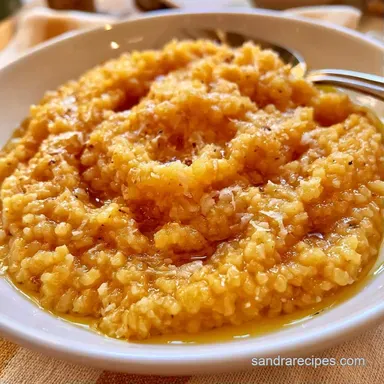
Creamy Pastina with Olive Oil
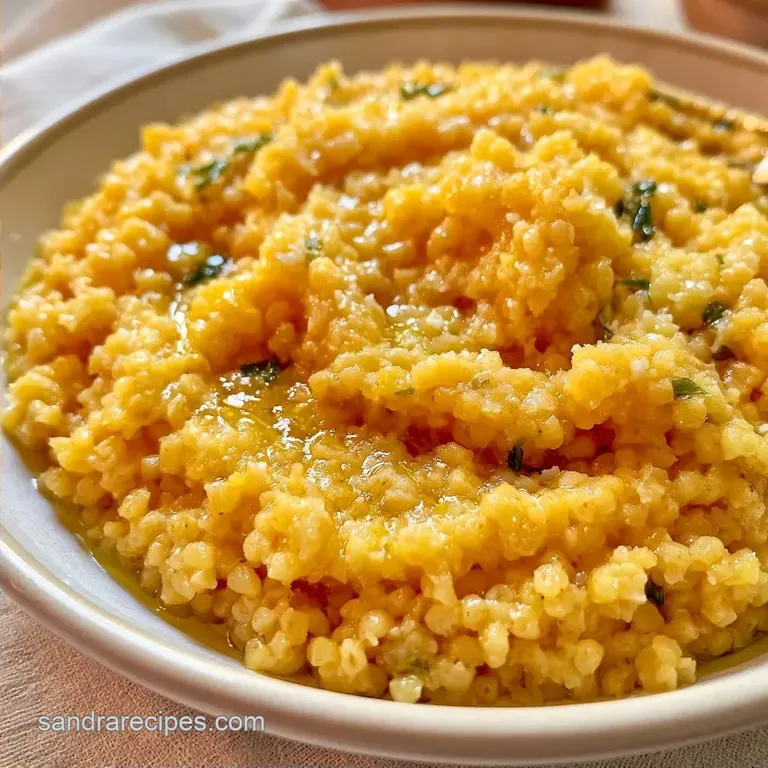
- Duration: 5 min active + 10 min cook
- Profile: Glossy, savory, and hearty
- Great for: Sick days, late night cravings, or a quick lunch
- Quick Facts for Pastina with Olive Oil
- Why This Pasta Texture Works
- What Each Ingredient Does
- Ingredients and Substitutes
- Tools for the Job
- Step-by-Step Cooking Guide
- Fixing Common Texture Issues
- Simple Flavor Twists
- Storage and Zero Waste
- Serving and Plating Tips
- Debunking Pasta Myths
- Critical Sodium Level
- Recipe FAQs
- 📝 Recipe Card
Quick Facts for Pastina with Olive Oil
I used to make this dish by boiling the pasta in water and draining it, then adding oil. It was a disaster. The pasta felt separate from the sauce, and the whole thing had the consistency of wet sand. It wasn't comforting, it was just... sad.
The fix is simple: don't drain the water. By simmering the tiny grains directly in broth, the starch stays in the pot. When you whisk in the fat at the end, it creates a velvety coating that actually sticks to the pasta.
Making Pastina with Olive Oil is about that emulsion. You aren't just cooking pasta; you're making a thick, savory porridge that tastes like an Italian grandmother's kitchen. Trust me on this, the "no drain" method is the only way to do it.
Why This Pasta Texture Works
- Starch Retention: Cooking the pasta in broth instead of water keeps the starch in the pot. This acts as a natural thickener for the sauce.
- Fat Emulsion: Adding the olive oil and butter off the heat allows the fat to bind with the starchy liquid.
- Slow Reduction: Simmering uncovered lets the liquid evaporate, concentrating the flavor of the broth.
If you like this style of one pot pasta, you'll probably love my Lemon Parmesan Pastina for something a bit brighter.
The method depends on whether you want a soup like consistency or a thick pasta dish. Most people prefer the stovetop for speed, but some like a baked version.
| Method | Time | Texture | Best For |
|---|---|---|---|
| Stovetop | 15 min | Creamy/Glossy | Quick lunches |
| Oven | 30 min | Toasted/Cheesy | Casserole meals |
Right then, let's look at what's actually happening in the pot. The balance of fat to starch is what prevents the dish from becoming a gummy mess.
What Each Ingredient Does
| Component | Purpose | Substitute Notes |
|---|---|---|
| Pastina | Starch base | Stelline or Acini di Pepe work perfectly |
| Broth | Flavor/Liquid | Veg broth works well; use low sodium to control salt |
| Parmigiano | Salt/Body | Pecorino is saltier and punchier |
| Olive Oil | Richness | Avocado oil works but lacks the peppery flavor |
The choice of oil really matters here. Extra virgin olive oil provides a grassy, fruity note that cuts through the richness of the cheese.
Ingredients and Substitutes
- 3/4 cup (120g) pastina (Acini di Pepe or Stelline) Why this? Tiny grains release more starch for a creamier sauce.
- 3 cups (710ml) low sodium chicken or vegetable broth Why this? Provides a savory base better than plain water.
- 3 tbsp (45ml) extra virgin olive oil Why this? Adds the signature richness and a healthy fat profile.
- 2 cloves (10g) fresh garlic, minced Why this? Adds a nutty, aromatic depth.
- 1/2 cup (50g) Parmigiano Reggiano, freshly grated Why this? Gives a sharp, salty finish and helps thicken.
- 1 tbsp (14g) unsalted butter Why this? Rounds out the flavor with a creamy touch.
- 1/4 tsp (1.5g) kosher salt
- 1/2 tsp (1g) freshly cracked black pepper
- 1 tbsp (4g) fresh parsley, finely chopped
If you're on a tight budget, don't worry. Store brand grated parmesan is fine, though freshly grated melts better.
| Original Ingredient | Substitute | Why It Works |
|---|---|---|
| Parmigiano Reggiano | Pecorino Romano | Sheep's milk cheese. Note: Much saltier; reduce added salt |
| Chicken Broth | Vegetable Broth | Similar salt/liquid ratio. Note: Lighter, cleaner taste |
| Butter | Margarine | Similar fat content. Note: Lacks the rich dairy finish |
Tools for the Job
Keep it simple. The most important tool is a small pot with a heavy base. This helps control evaporation and stops the garlic from burning.
For the final step, I recommend a whisk. You can use a fork, but a whisk emulsifies the sauce much faster.
Step-by-step Cooking Guide
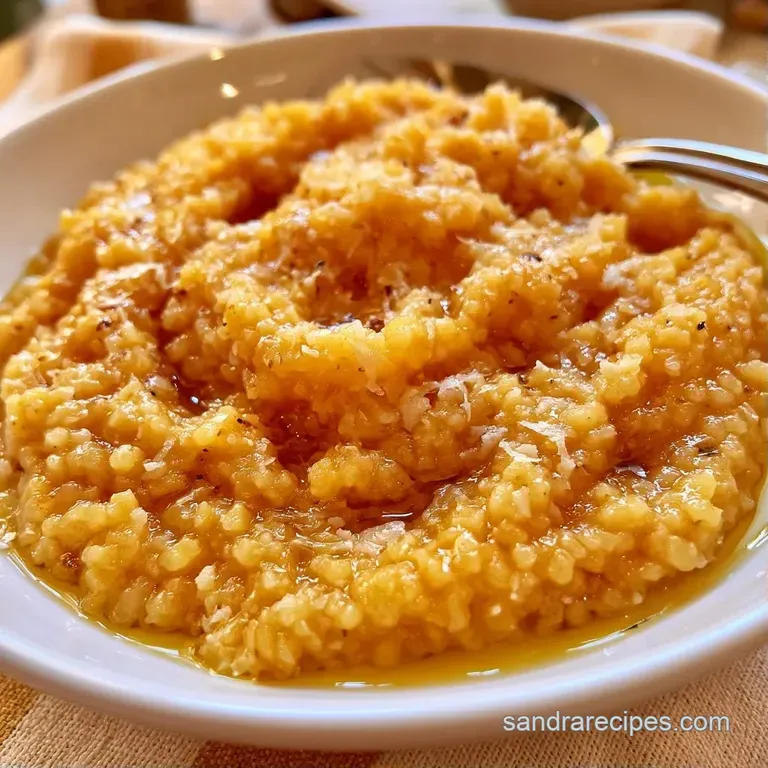
- Heat 1 tbsp (15ml) of olive oil in the pot over medium heat. Add the minced garlic and sauté for 60 seconds until fragrant and translucent. Note: Don't let it brown or it will taste bitter.
- Pour in the broth and bring to a gentle boil.
- Stir in the pastina and reduce heat to medium low.
- Simmer uncovered, stirring frequently, for 8–10 minutes until the liquid has reduced by half and the pasta is al dente.
- Remove the pot from the heat.
- Immediately stir in the remaining 2 tbsp (30ml) of olive oil, the butter, and the grated parmesan.
- Whisk vigorously for 30 seconds until the sauce becomes glossy and creamy.
- Fold in the black pepper and salt.
- Taste the seasoning, then garnish with the chopped fresh parsley.
But what about the sogginess? We'll get to that in the next section.
Fixing Common Texture Issues
Fixing Gummy Pasta
If your pastina turns into a thick paste, you've likely lost too much liquid to evaporation. Stir in 1 2 tbsp of warm broth or water right before serving. It loosens the starch and brings back the gloss.
Stopping Oily Separation
When you see a layer of oil floating on top, the emulsion broke. This usually happens if the pot is too hot when you add the fats. Make sure you remove the pot from the burner before whisking in the butter and olive oil.
Preventing Mushy Grains
Overcooking these tiny noodles happens in seconds. Start tasting the pasta at the 7 minute mark. It should have a slight bite. USDA guidance suggests internal food temperatures, but for pasta, the visual "half liquid" cue is your best bet.
Simple Flavor Twists
This recipe is a versatile base. To add a bit of warmth, I typically sauté a pinch of red pepper flakes with the garlic.
- For a citrusy lift → stir in 1 tsp lemon zest
- For more spice → add 1/4 tsp red pepper flakes
- For a thicker consistency → simmer 2 mins longer
If you're craving something heartier, this Creamy Chicken Pastina Soup is a great full meal. This olive oil version also tastes wonderful with a handful of fresh spinach stirred in just before serving.
| Goal | Change | Impact |
|---|---|---|
| Nutty Flavor | Use Brown Butter | Toasted, richer taste |
| Lighter Result | Skip Butter | Olive oil takes center stage |
| Added Umami | Add 1 tsp Soy Sauce | Saltier, savory profile |
Storage and Zero Waste
Storing leftover Pastina with Olive Oil can be tricky because the pasta keeps soaking up moisture in the refrigerator. Without care, it may solidify into one large block.
Keep it in a glass container for up to 2 days. To reheat, stir in a bit of water or stock and microwave in 30-second intervals, stirring each time. I don't suggest freezing this meal, as the emulsion breaks and the texture becomes grainy.
To reduce waste, keep the parsley stems. Mince them finely and sauté them with the garlic at the beginning; they are actually more flavorful than the leaves.
Serving and Plating Tips
Serve this in a wide, shallow bowl. This keeps the heat concentrated while letting you see the glossy finish of the sauce.
I love topping it with an extra sprinkle of black pepper and a drizzle of high-quality olive oil. It makes a simple dish feel a bit more special.
Some people prefer a crusty piece of sourdough on the side to soak up any remaining sauce. It's a reliable way to make sure not a drop goes to waste.
Debunking Pasta Myths
You might hear that you need to boil water before adding pasta. For pastina, it's not necessary. Simmering the grains in the broth from the start actually helps the starch release more evenly.
Another common myth is that searing garlic "locks in" the flavor. It doesn't. Sautéing just changes the chemical structure to create those nutty notes we love.
Pastina with Olive Oil is one of those rare dishes that is both stress free to make and deeply satisfying. It's a hearty, reliable staple that proves you don't need fancy ingredients to get a great result. Just remember: don't drain the pot, and whisk that butter in off the heat. Happy cooking!
Critical Sodium Level
1140 mg 1,140 mg of sodium per serving (50% 50% of daily value)
The American Heart Association recommends a daily limit of no more than 2,300 mg of sodium to help manage blood pressure and reduce the risk of heart disease.
Tips to Reduce Sodium
-
Upgrade the Broth-30%
Swap the low-sodium broth for homemade unsalted stock or water infused with onion and celery to significantly cut sodium.
-
Omit Added Salt-25%
Remove the kosher salt entirely; the cheese and broth already provide significant saltiness to the dish.
-
Moderate the Cheese-15%
Reduce the Parmigiano Reggiano by half or substitute a portion with nutritional yeast for a similar savory profile.
-
Enhance with Fresh Herbs
Stir in freshly chopped parsley or basil at the end to add brightness and depth without adding any sodium.
Recipe FAQs
How do Italians make pastina?
Simmer the tiny pasta in broth for 8 10 minutes until the liquid reduces by half. Stir in butter, parmesan, and olive oil off the heat to create a creamy emulsion. If you enjoyed mastering the creamy emulsion here, see how it works in our creamy tomato version.
Is it true that olive oil belongs in pasta dough?
No, and here's why. Most traditional pasta doughs rely on flour and eggs for structure, as adding oil can make the dough too greasy to handle properly.
Does adding oil to the water stop sticking?
Actually, no. Oil floats on the surface and doesn't prevent the starch from sticking, which can actually hinder the sauce from clinging to the pasta.
What pasta shapes work best for this dish?
Use Acini di Pepe or Stelline for the best results. These tiny shapes absorb the broth and butter perfectly to create a comforting, porridge like consistency.
Pastina With Olive Oil