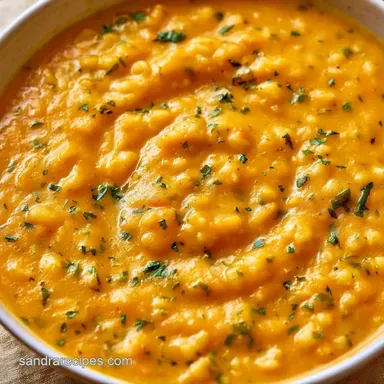
Creamy Blended Pastina Soup
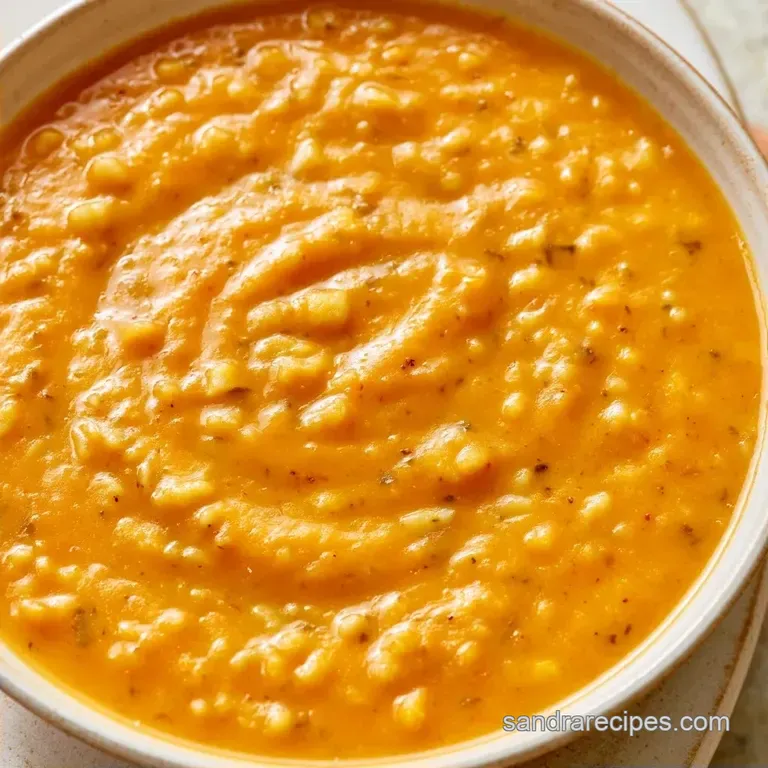
- Time: 15 minutes prep + 30 minutes simmering
- Taste & Feel: A golden, silky broth paired with miniature pasta stars
- Ideal for: Recovering from a cold, gloomy evenings, or those new to cooking
- Why This Method Works
- What You'll Need
- Essential Kitchen Gear
- The Step-by-Step Process
- Avoiding Common Soup Errors
- Swaps and Different Versions
- Adjusting the Batch Size
- Common Kitchen Misconceptions
- Saving and Storing Leftovers
- Serving Your Hearty Bowl
- Critical Sodium Level
- Recipe FAQs
- 📝 Recipe Card
The aroma of simmering celery and carrots instantly reminds me of my grandmother's home. In Italy, pastina is more than just a meal; it is known as "Italian Penicillin." When you're feeling unwell or simply crave something soothing, this is the dish to make.
It is the peak of comfort, designed to be gentle on the digestion while remaining satisfyingly hearty.
While simply boiling these tiny stars in stock is common, I prefer a version with more substance. By blending the vegetables into the broth, you create a luscious, golden liquid that clings to the pasta. This Blended Pastina Soup elevates a simple side dish into a full, filling meal.
You don't need professional culinary skills to get this right. The trick is simply letting the vegetables soften completely and using a blender to do the hard work. It is a dependable, low-stress way to get plenty of nutrients into a bowl while keeping that nostalgic, creamy essence we all love.
Why This Method Works
Vegetable Pureeing: Blending the cooked carrots and onion creates a natural thickener that makes the Blended Pastina Soup feel rich without adding cream. This method keeps the flavor bright and savory.
Starch Release: Cooking the pastina directly in the blended broth allows the pasta to release its starch, which binds everything together. It creates a cohesive, creamy texture that feels like a risotto but takes a fraction of the time.
| Method | Texture | Prep Effort |
|---|---|---|
| Classic Broth | Thin/Clear | Very Low |
| Blended Base | Creamy/Opaque | Low |
| Cream Added | Heavy/Rich | Low |
What You'll Need
To get the base right, you want a good balance of sweet carrots and savory celery. I always use a Parmesan rind because it adds a deep, salty punch that you just can't get from grated cheese alone.
If you're making Blended Pastina Soup for the first time, don't skip the lemon juice at the end; it cuts through the richness and wakes up the whole pot.
| Ingredient | Role | If You Don't Have It |
|---|---|---|
| Unsalted Butter | Sauté base | Olive oil (adds a fruitier note) |
| Carrots | Color and sweetness | Parsnips (earthier flavor) |
| Celery | Savory depth | Fennel (adds a slight anise taste) |
| Yellow Onion | Aromatic foundation | Shallots (milder and sweeter) |
| Garlic | Sharp flavor | Garlic powder (use 1/4 tsp per clove) |
| Chicken Broth | Liquid base | Vegetable broth (works just as well) |
| Parmesan Rind | Umami boost | Extra grated Parmesan (less depth) |
| Pastina | The heart of the soup | Orzo or Acini di Pepe |
| Lemon Juice | Acidity/Brightness | Apple cider vinegar (use less) |
| Kosher Salt | Flavor enhancer | Sea salt |
| Black Pepper | Mild heat | White pepper |
| Fresh Parsley | Fresh finish | Dried parsley (add earlier) |
| Grated Parmesan | Garnish/Salt | Pecorino Romano (saltier) |
You can find nutrition data for the base ingredients at USDA FoodData Central.
I usually keep a bag of pastina in the pantry at all times. If you can't find the star shaped ones, any tiny pasta works, but the stars just feel more authentic.
| Original Ingredient | Substitute | Why It Works |
|---|---|---|
| Chicken Broth (8 cups) | Vegetable Broth (8 cups) | Similar salt and liquid profile. Note: Lighter flavor |
| Unsalted Butter (2 tbsp) | Olive Oil (2 tbsp) | Provides necessary fat for sautéing. Note: More Mediterranean taste |
| Pastina (1 cup) | Orzo (1 cup) | Similar starch release. Note: Larger grain, changes mouthfeel |
Essential Kitchen Gear
You can easily make this with basic home equipment. A heavy bottomed stockpot is ideal here because it ensures even heat distribution and keeps the pasta from sticking to the bottom.
An immersion blender is the most convenient tool for this task. Pureeing the Blended Pastina Soup right in the pot saves you from the danger of transferring boiling liquid to a countertop blender.
If you use a standard blender, just make sure the lid is slightly ajar to let steam vent, preventing a potential kitchen explosion.
Using a fine mesh grater for the Parmesan is also a great idea. Freshly grated cheese melts much more smoothly than pre-shredded versions, which often contain potato starch to prevent them from clumping.
The step-by-step Process
Phase 1: Softening the Aromatics
Melt the butter in a stockpot over medium heat. Toss in the chopped carrots, celery, and onion. Sauté for 6–8 minutes until the onions are translucent and the vegetables have softened. This step establishes the flavor foundation for your Blended Pastina Soup.
Add the minced garlic and heat for 60 seconds until fragrant. Be careful not to let the garlic brown, as this can introduce a bitter taste to the entire pot.
Phase 2: Creating the Base
Pour in the chicken broth and add the Parmesan rind. Bring the liquid to a boil, then immediately reduce the heat to low. Simmer for 15–20 minutes until the carrots are fork tender.
Discard or set aside the Parmesan rind. Use an immersion blender to puree the vegetables directly in the pot. Blend until the broth is smooth, opaque, and has a golden orange hue. This produces a velvety consistency that makes the soup feel luxurious.
Phase 3: Cooking the Pasta
Increase the heat slightly to maintain a gentle simmer. Mix in the pastina. Cook for 6–9 minutes, stirring every few minutes to ensure the pasta doesn't stick to the bottom. The pasta should be al dente firm to the bite but fully cooked.
When the pasta is ready, stir in the lemon juice, salt, and pepper. Remove the pot from the heat. Serve each bowl garnished with chopped parsley and a sprinkle of grated Parmesan cheese.
Pro Tip: For those using a homemade broth that is already quite salty, wait until the very end to add the kosher salt. The Parmesan rind contributes a significant amount of sodium on its own.
Avoiding Common Soup Errors
Blended Pastina Soup Too Thick
Pastina is like a sponge. It absorbs liquid quickly and releases starch, which can turn your soup into a porridge if you aren't careful. If it looks too thick, simply whisk in an extra half cup of warm broth or water. This loosens the consistency without ruining the flavor.
Pasta Becomes Mushy
Overcooking the pastina is the most common mistake. Remember that the pasta continues to cook in the hot broth even after you turn off the stove. Pull the pot off the heat the second the pasta hits that al dente stage.
If you're making a large batch, slightly undercook the pasta so it doesn't turn to mush during reheating.
Base Not Pureeing Smoothly
If you see chunks of carrot or onion after blending, your vegetables might not have simmered long enough. Ensure they are completely soft before you start blending. If you're still seeing bits, just keep blending for another minute or pass the base through a fine mesh strainer before adding the pasta.
Swaps and Different Versions
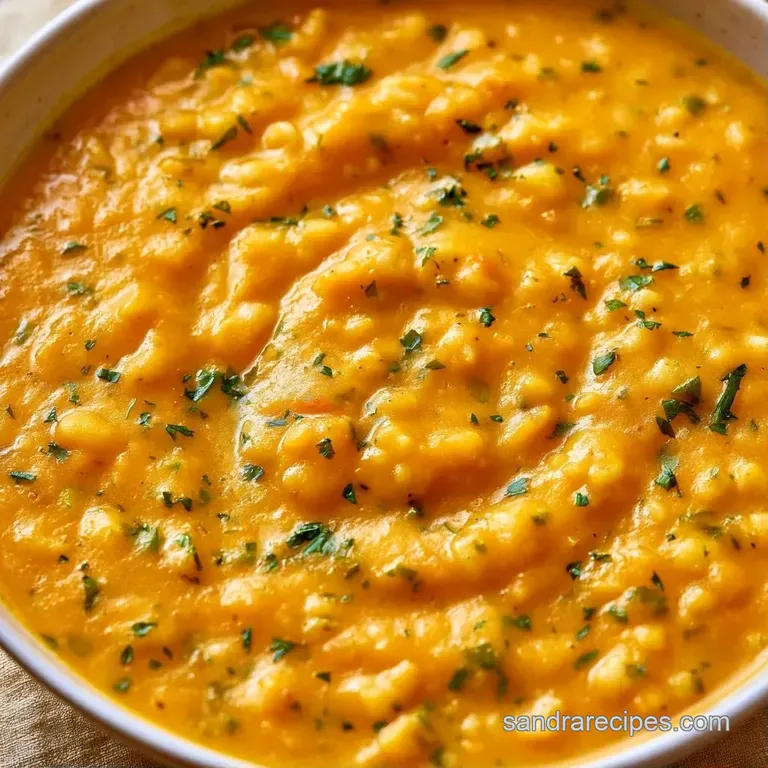
You can easily customize this Blended Pastina Soup depending on what's in your kitchen. If you're looking for something more substantial, this Pastina Soup with Egg recipe offers added protein and a velvety consistency.
For a plant based alternative, use olive oil instead of butter and swap the chicken broth for a rich vegetable stock. To maintain that savory, cheesy flavor without the Parmesan rind and cheese, use a tablespoon of nutritional yeast.
To introduce a spicy element, add a pinch of red pepper flakes to the garlic during the sauté process. This creates a mild heat that balances the lemon juice. For those who need a gluten-free or low-carb option, try gluten-free pastina or small pieces of cauliflower.
Quick Adjustment Guide:
- Brighten the flavor? → mix in 1 tsp lemon zest
- More filling? → add 1/2 cup shredded rotisserie chicken
- Add a pop of green? → blend in a handful of fresh spinach at the end
Adjusting the Batch Size
When making a smaller batch, like half a recipe, use a smaller pot. This prevents the broth from evaporating too quickly. Reduce the simmering time by about 20% since the smaller volume of vegetables will soften faster.
Scaling up to 2x or 4x requires some caution. Do not simply double the salt and pepper; start with 1.5x the amount and taste as you go. Large pots of Blended Pastina Soup can hold a lot of heat, so the pasta may cook slightly faster than in a small batch.
I recommend working in batches if you don't have a pot large enough to allow for easy stirring.
For the butter and aromatics, keep the ratios the same, but give them a few extra minutes to sauté. In a crowded pot, vegetables tend to steam rather than brown, so keep the heat medium high until they actually soften.
Common Kitchen Misconceptions
One big myth is that you need heavy cream or a roux to make a soup "creamy." With this Blended Pastina Soup, the pureed mirepoix and the starch from the pasta do all the work. You get a rich mouthfeel without the heavy calories of dairy.
Another misconception is that searing the vegetables at the start "locks in" the flavor. In reality, the sautéing process just helps build a base of sweetness. The real flavor happens during the simmer and the blending, where the vegetables integrate into the broth.
Some people think they must use an expensive blender for this. A basic immersion blender works just as well as a high end model because the vegetables are already soft from simmering.
Saving and Storing Leftovers
Keep your Blended Pastina Soup in a sealed glass jar in the cooler for about 3 to 4 days. Be aware that the pasta will continue to absorb liquid as it sits, so the soup will be much thicker the next day.
When reheating, add a splash of water or broth to bring it back to its original consistency. Heat it slowly on the stovetop over medium low heat, stirring often. I don't recommend freezing this specific recipe. The blended vegetables can separate, and the pastina often becomes grainy or mushy after thawing.
To avoid waste, don't throw away that Parmesan rind after you remove it from the pot. You can toss it into your next batch of minestrone or a slow cooking stew. It is a great way to get every bit of value out of your cheese.
Serving Your Hearty Bowl
A wide, shallow bowl is the ideal choice for serving this dish. I personally like adding a bit more fresh parsley and a generous sprinkle of Parmesan on top. If you are using it as a starter, a small cup is plenty; for a main course, serve it with a slice of toasted sourdough rubbed with a raw garlic clove.
For another cozy cold weather option with similar flavors, try my Creamy Pastina Soup.
Since this soup is quite rich, a side of steamed spinach or a crisp arugula salad with a light vinaigrette offers a refreshing contrast. Serve it piping hot almost bubbling to maximize the comfort factor.
Now you are all set to prepare your own Blended Pastina Soup. This hearty, dependable meal proves that you don't need fancy ingredients to create something special. Just be patient while sautéing the vegetables, blend them until completely smooth, and let the pasta do the rest.
Trust me, you'll be grateful to have this waiting in the fridge on a rainy Tuesday.
Critical Sodium Level
1266 mg 1,266 mg of sodium per serving (55% 55% of daily value)
The American Heart Association recommends a daily limit of no more than 2,300 mg of sodium to help manage blood pressure and heart health.
Tips to Reduce Sodium
-
Swap the Broth-30%
Replace the standard chicken broth with low-sodium or no-salt added chicken broth to significantly drop the base sodium level.
-
Omit Added Salt-25%
Completely remove the 1/2 tsp of kosher salt; the broth and cheese already provide ample saltiness.
-
Skip the Rind-15%
Omit the Parmesan rind during simmering, as it releases highly concentrated sodium into the soup.
-
Limit Cheese Garnish-15%
Reduce the amount of freshly grated Parmesan cheese used as a topping to 1 tablespoon per serving.
-
Enhance with Aromatics
Increase the fresh parsley and lemon juice to provide a bright, acidic flavor profile that mimics the taste of salt.
Recipe FAQs
What was Princess Diana's favorite soup?
She was famously known to enjoy pastina soup for its comforting qualities.
Tip: Serve it in a warmed bowl to keep the soup hot longer.
How do you make soupy pastina?
Simmer pastina directly in the blended vegetable broth until the pasta is tender.
Tip: Use an immersion blender to ensure the base is completely smooth and opaque.
Is pastina soup healthy?
It is a nutrient dense meal containing carrots, celery, and onion.
Tip: Use low-sodium chicken broth to better control the salt content.
Why is it called penicillin soup?
It earned this nickname in Italy as the go-to remedy for feeling under the weather.
Tip: Add an extra squeeze of lemon juice for a bright, vitamin-C boost.
Should you avoid cooking pasta in broth instead of water?
No, this is a common misconception. Cooking pasta in broth infuses the noodles with significantly more flavor.
Tip: Stir occasionally to prevent the small pasta stars from sticking to the pot.
How to cook pasta in chicken broth?
Bring the broth to a gentle simmer before stirring in the pastina.
Tip: Cook for 6 9 minutes or according to the package directions for an al dente finish.
Is it a myth that pasta tastes better when cooked in broth?
Not true. Broth provides a depth of savory flavor and a better texture than plain water.
Tip: Include a Parmesan rind during the simmering process to add professional umami notes.
Can one use bone broth to boil noodles in?
Bone broth works perfectly and adds additional richness and body to the soup.
Tip: If you enjoyed creating a creamy texture without heavy cream here, the same flavor building logic applies to our garlic cream sauce.
Blended Pastina Soup